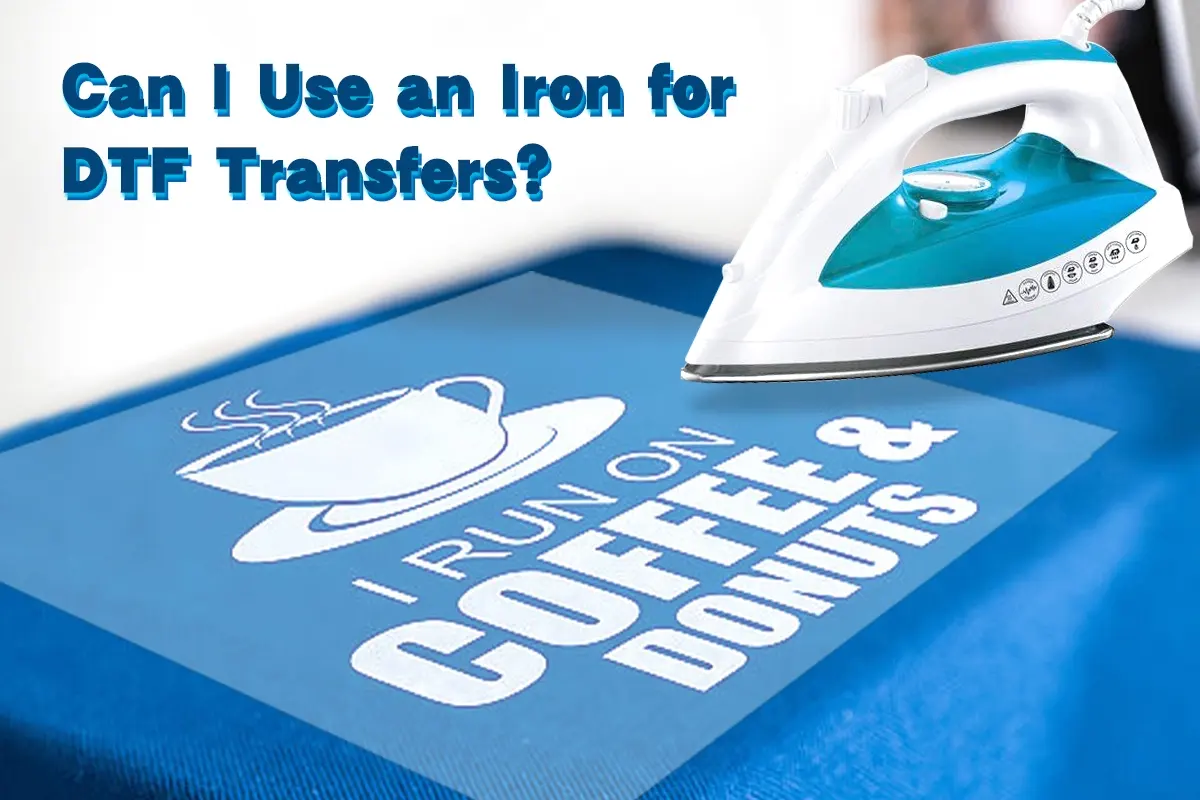
If you’re starting with DTF printing, you might wonder: “Can I just use a household iron instead of buying a heat press?” The short answer is yes, but it’s not recommended. While you might manage to stick a design onto fabric, the results will usually be uneven, temporary, and far less durable compared to using a proper heat press.
In this article, we’ll explain why people try irons, what goes wrong, and why a heat press is the smarter choice if you want reliable, professional-quality DTF results.
🔥 Why People Consider Using an Iron
Many beginners think about using an iron for DTF transfers because:
- Lower cost → An iron is already at home, so there’s no need to buy new equipment.
- Beginner testing → People want to try DTF before investing in a heat press.
- Small DIY projects → Hobbyists or crafters may only plan to print a few t-shirts or tote bags.
It makes sense — but there are limitations you should be aware of.
⚠️ Can You Use an Iron for DTF Transfers?
Technically, yes. You can use a household iron to press a DTF transfer, but the results are unreliable and inconsistent. Here’s why:
- Uneven heat distribution → Irons don’t cover the design evenly. Some spots may stick, others won’t.
- Lack of pressure → Strong, even pressure is key for bonding. An iron simply can’t provide that.
- Temperature issues → DTF film needs around 160–170°C (320–340°F) for curing. Irons often fluctuate and don’t stay consistent.
👉 In short: You can try, but expect peeling, fading, or cracking after just a few washes.
🏆 Why a Heat Press Is the Better Choice
If you want strong, vibrant, and long-lasting prints, a heat press is the way to go. Here’s why:
- Provides even heat across the full design.
- Applies consistent, firm pressure for proper bonding.
- Allows accurate control of time and temperature.
- Ensures durability → designs survive wash after wash.
💡 Winnerjet Expert Note: Our DTF inks and DTF films are specifically designed and tested under heat press conditions for maximum performance.

👕 Household Iron vs Professional Heat Press
While using a home iron is a great way to start your DIY journey, it’s important to understand how it compares to a professional heat press. Here is a quick breakdown:
| Feature | Household Iron | Professional Heat Press |
|---|---|---|
| Temperature Stability | Low (fluctuates and has hot spots) | High (digital precision control) |
| Pressure Uniformity | Manual (hard to maintain even pressure) | Consistent (pneumatic or manual locking) |
| Wash Durability | Moderate (may peel after 10-15 washes) | Excellent (industrial-grade bonding) |
| Production Speed | Slow (one by one) | Fast (efficient for bulk orders) |
* Note: Mobile users can swipe left or right to view the full table.
Pro Tip: If you are using a home iron, we highly recommend using Winnerjet premium DTF powder to compensate for the uneven heat and ensure a stronger bond.
Want to see a professional DTF setup in action? Watch our step-by-step video guide to see how we achieve vibrant, high-definition prints from start to finish.
🔄 Alternatives If You Don’t Have a Heat Press
If you’re not ready to buy a full-size press, there are budget-friendly alternatives:
- Mini heat press → Handy for small logos and patches.
- Handheld press machines → Better than irons, but still limited.
- Entry-level clamshell heat press → Affordable, reliable, and a good starter option for small businesses.
❌ Common Mistakes to Avoid with Irons
If you still want to experiment with an iron, be aware of these pitfalls:
- Moving the iron around → Causes ghosting or blurry designs.
- Skipping protective sheets → Direct heat can melt the DTF film.
- Wrong pressing time → Too short means weak adhesion, too long can scorch fabric.
🎯 Conclusion
So, can you use an iron for DTF transfers? Yes, but don’t expect lasting results. An iron may work for quick experiments, but it won’t give you the durability or professional finish you need.
If you’re serious about DTF printing — whether for a hobby or a small business — a heat press is a must-have investment. It ensures vibrant colors, strong adhesion, and long-lasting prints.
👉 📩 Request Free Winnerjet DTF Ink & Film Samples and test the real difference under proper heat press conditions.
🧠 FAQ
Can I permanently use an iron for DTF?
No. Irons are only a temporary solution for testing. Long-term, you need a heat press for quality prints.
What temperature should I use if I try with an iron?
Aim for around 160°C (320°F), but be aware that irons don’t maintain stable heat.
Will the transfer survive washing if applied with an iron?
Not for long. The design will likely peel or fade after a few washes.
What’s the cheapest heat press option?
A small clamshell heat press is affordable and performs far better than any iron.
Can Winnerjet DTF film and powder work with an iron?
Yes, but they’re engineered for heat presses, so you’ll only see the full quality with proper equipment.