Can I Use Dye Ink Instead of Pigment? Complete Guide
Expert Analysis of Dye vs Pigment Ink Compatibility and Performance
Quick Answer
Yes, you can use dye ink instead of pigment ink in most cases, but there are important considerations regarding print quality, longevity, and printer compatibility. While both ink types are generally interchangeable in terms of basic functionality, switching from pigment to dye ink will result in different performance characteristics that may or may not meet your specific printing needs.
The decision to use dye ink instead of pigment depends on your printing requirements, budget constraints, and quality expectations.
Understanding Dye Ink vs Pigment Ink Fundamentals
Before deciding whether you can use dye ink instead of pigment, it's crucial to understand the fundamental differences between these two ink technologies. This knowledge will help you make an informed decision about switching from pigment to dye ink.
What is Dye Ink?
Dye ink consists of colorants that are completely dissolved in the liquid carrier, creating a homogeneous solution. When you're considering whether to use dye ink instead of pigment, remember that dye-based inks penetrate paper fibers more deeply, resulting in vibrant colors and smooth gradations. The molecular structure of dye ink allows for excellent color saturation and is particularly effective for photo printing applications.
What is Pigment Ink?
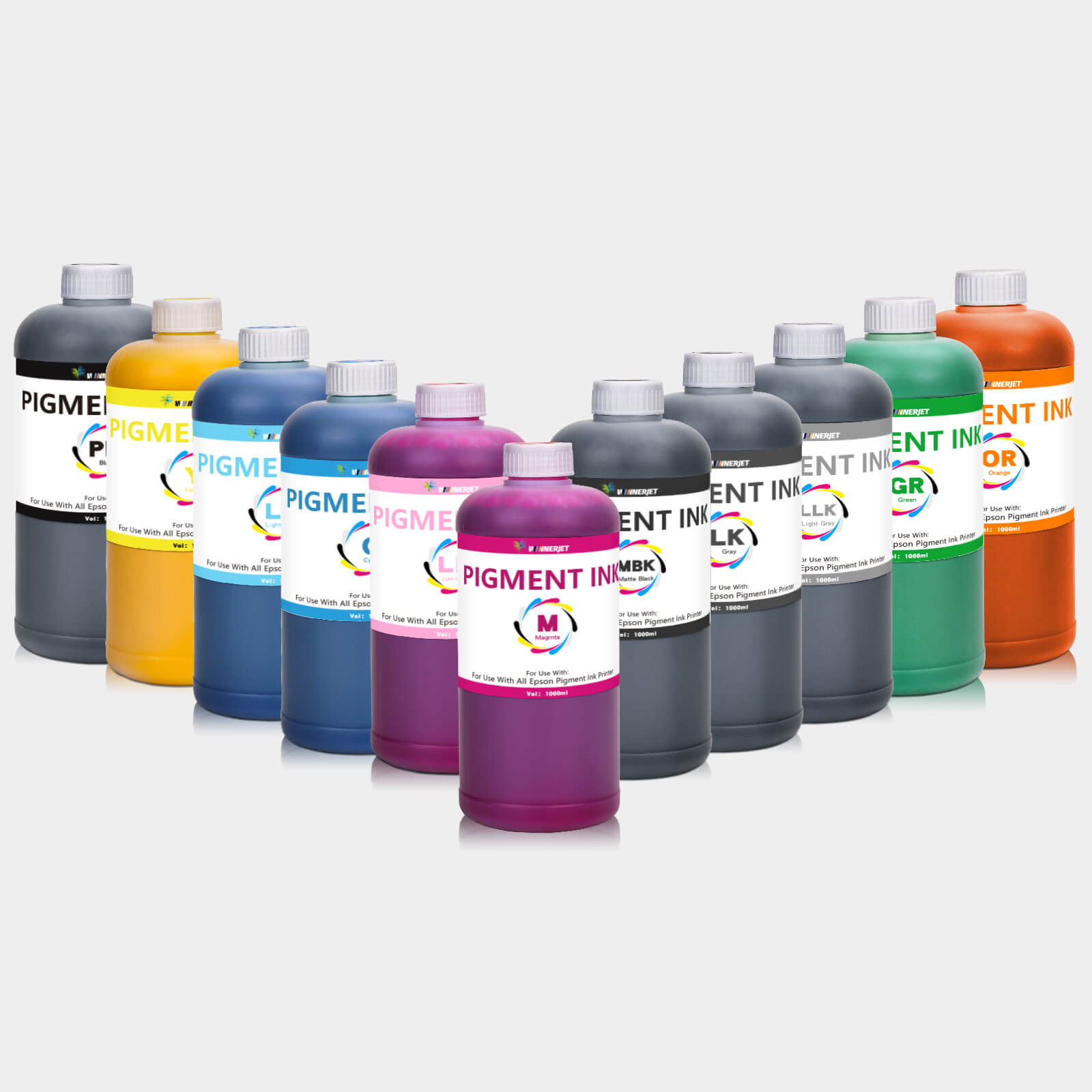
Pigment ink contains microscopic solid particles suspended in the liquid carrier. These particles sit on top of the paper surface rather than penetrating deeply. If you're wondering can I use dye ink instead of pigment for document printing, consider that pigment inks typically offer superior longevity and water resistance compared to dye-based alternatives.
Comprehensive Comparison: Can You Use Dye Ink Instead of Pigment?
When evaluating whether you can use dye ink instead of pigment ink, consider this detailed comparison of performance characteristics:
| Characteristic | Dye Ink | Pigment Ink | Impact of Switching |
|---|---|---|---|
| Color Vibrancy | Excellent - Deep, saturated colors | Good - Slightly muted but accurate | Enhanced vibrancy when switching to dye |
| Water Resistance | Poor - Easily smudged when wet | Excellent - Highly water resistant | Significant decrease in water resistance |
| Fade Resistance | Moderate - 2-5 years typical | Excellent - 10+ years typical | Reduced longevity of prints |
| Print Speed | Fast - Quick absorption | Slower - Longer drying time | Faster printing when using dye ink |
| Cost | Lower - Generally less expensive | Higher - Premium pricing | Cost savings when switching to dye |
| Paper Compatibility | Excellent - Works with most papers | Good - May require specific papers | Broader paper compatibility with dye |
When You Should Use Dye Ink Instead of Pigment
There are specific scenarios where choosing to use dye ink instead of pigment makes perfect sense:
Ideal Situations for Dye Ink
Consider switching to dye ink when cost-effectiveness and vibrant colors are more important than longevity and water resistance.
- Photo Printing for Immediate Use: When you need vibrant, colorful photos for short-term display or sharing, dye ink provides superior color saturation and smooth gradations that make images pop.
- Budget-Conscious Printing: If you're looking to reduce printing costs, using dye ink instead of pigment can provide significant savings while maintaining acceptable quality for everyday documents.
- High-Volume Printing: For businesses or individuals who print frequently, dye ink's faster drying time and lower cost per page make it an economical choice for internal documents and drafts.
- Creative Projects: Art projects, crafts, and creative applications often benefit from dye ink's vibrant colors and smooth color transitions, especially when longevity isn't a primary concern.
- Indoor Display Materials: Posters, presentations, and materials that will be displayed indoors and protected from moisture can benefit from dye ink's superior color vibrancy.
Compatibility Considerations: Can I Use Dye Ink Instead of Pigment?
The technical answer to "can I use dye ink instead of pigment" involves several compatibility factors:
Printer Compatibility
Most modern inkjet printers can handle both dye and pigment inks without hardware modifications. However, when you switch from pigment to dye ink, consider these factors:
- Print Head Design: While most print heads accommodate both ink types, some high-end printers optimized for pigment ink may not achieve optimal performance with dye ink.
- Ink Delivery System: The printer's ink delivery mechanism typically works with both ink types, but you may notice differences in flow rates and droplet formation.
- Color Calibration: Your printer's color profiles may need adjustment when switching ink types to maintain color accuracy.
Important Compatibility Warning
Never mix dye and pigment inks in the same cartridge or ink system. Always flush the system completely when switching between ink types to prevent chemical reactions or clogging.
Cartridge Compatibility
When considering whether you can use dye ink instead of pigment, cartridge compatibility is generally not an issue. Most ink cartridges are designed to work with either ink type, as the physical properties (viscosity, surface tension) are similar enough for the delivery mechanism to function properly.
Step-by-Step Guide: Switching from Pigment to Dye Ink
If you've decided to use dye ink instead of pigment, follow this comprehensive switching process:
- Assess Your Printing Needs: Evaluate whether the trade-offs (reduced longevity and water resistance for better color vibrancy and cost savings) align with your requirements.
- Purchase Compatible Dye Ink: Ensure you're buying dye ink specifically designed for your printer model. Generic inks may work but could affect print quality or void warranties.
- Perform a Print Head Cleaning: Before switching, run several print head cleaning cycles to remove as much pigment ink as possible from the system.
- Install New Dye Ink Cartridges: Replace all cartridges simultaneously to ensure color consistency and prevent mixing of ink types.
- Run Test Prints: Print several test pages to flush any remaining pigment ink from the lines and ensure proper color output.
- Calibrate Color Settings: Adjust your printer's color profiles or use the manufacturer's recommended settings for dye ink to achieve optimal results.
- Monitor Initial Performance: Pay attention to print quality, drying time, and color accuracy during your first few printing sessions.
Performance Expectations When Using Dye Ink Instead of Pigment
Understanding what to expect when you use dye ink instead of pigment helps set realistic expectations:
Print Quality Changes
When you switch from pigment to dye ink, expect these quality changes:
- Enhanced Color Saturation: Photos and graphics will appear more vibrant and colorful
- Smoother Gradations: Color transitions will be more seamless, particularly beneficial for photo printing
- Improved Black Density: Dye-based black ink often produces deeper, richer blacks than pigment alternatives
- Better Color Gamut: Wider range of reproducible colors, especially in the cyan and magenta spectrum
Durability Considerations
The most significant trade-off when choosing to use dye ink instead of pigment involves longevity:
Longevity Trade-offs
Dye ink prints typically last 2-5 years under normal conditions, compared to 10+ years for pigment ink prints. Consider this carefully for important documents or archival purposes.
Cost Analysis: Financial Benefits of Using Dye Ink Instead of Pigment
One of the primary reasons people ask "can I use dye ink instead of pigment" relates to cost considerations:
Initial Cost Savings
- Cartridge Prices: Dye ink cartridges typically cost 20-40% less than pigment equivalents
- Third-Party Options: More affordable third-party dye ink options are available compared to pigment alternatives
- Bulk Ink Systems: Dye ink is more readily available for continuous ink supply systems (CISS)
Long-term Cost Considerations
While using dye ink instead of pigment offers immediate savings, consider these long-term factors:
- Replacement Frequency: Documents may need reprinting sooner due to fading
- Paper Costs: May require reprinting on water-resistant paper for certain applications
- Professional Applications: Some business applications may require the longevity that only pigment ink provides
Frequently Asked Questions
Yes, most inkjet printers can use both dye and pigment inks interchangeably. The cartridge design and ink delivery systems are typically compatible with both ink types. However, some high-end professional printers may be optimized specifically for pigment ink and might not achieve optimal performance with dye ink.
No, switching from pigment to dye ink will not damage your printer. Both ink types have similar physical properties and viscosity levels that are compatible with standard inkjet printer mechanisms. Just ensure you properly clean the print heads during the transition to prevent any mixing of ink types.
Dye ink prints typically last 2-5 years under normal indoor conditions, while pigment ink prints can last 10+ years. The exact lifespan depends on factors like paper quality, display conditions, and exposure to light and humidity. For archival purposes, pigment ink is generally preferred.
Dye ink often produces more vibrant colors and smoother gradations, making it excellent for photo printing when longevity isn't the primary concern. However, pigment ink offers better fade resistance and water resistance, making it better for photos you want to preserve long-term.
While you can use different ink types in different cartridge slots (for example, dye ink for color and pigment for black), never mix the two ink types in the same cartridge or allow them to combine in the print head, as this can cause chemical reactions and clogging.
Dye ink cartridges typically cost 20-40% less than pigment ink cartridges. Additionally, there are more affordable third-party dye ink options available, and dye ink is more commonly available for bulk ink systems, providing even greater cost savings for high-volume printing.
Dye ink works well with most standard papers and actually has broader paper compatibility than pigment ink. However, for best results with photo printing, use photo paper designed for dye-based inks. For water resistance, consider coated papers, though this somewhat defeats the cost advantage of dye ink.
To switch properly: 1) Run print head cleaning cycles to remove pigment ink, 2) Replace all cartridges with dye ink simultaneously, 3) Print several test pages to flush the system, 4) Adjust color settings if necessary. Never mix the two ink types during the transition.
Using dye ink instead of pigment ink should not affect your printer warranty, as both are standard ink types. However, using non-OEM (third-party) inks might void warranty coverage. Check your printer manufacturer's warranty terms for specific details about ink compatibility.
Yes, you can switch back to pigment ink following the same process: clean the print heads thoroughly, replace all cartridges, run test prints to flush the system, and adjust color settings. The switching process works in both directions without causing permanent changes to your printer.