DTF printing is one of the most flexible, low-barrier printing methods on the market—but only when you’re working with the right setup. Here’s exactly what you need to get started, whether you’re running a small studio or gearing up for production.
✅ 1. Core Equipment You Can’t Skip
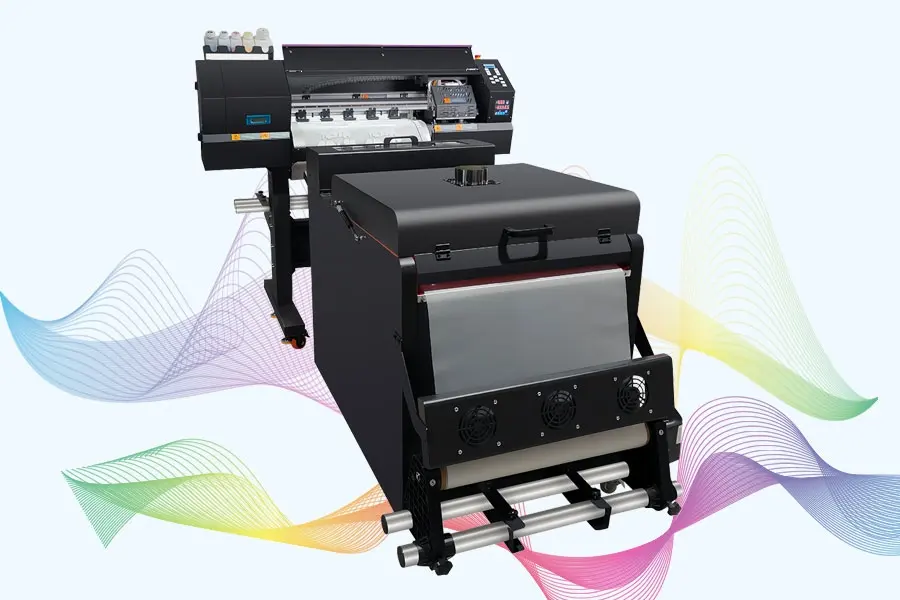
🖨️ DTF Printer
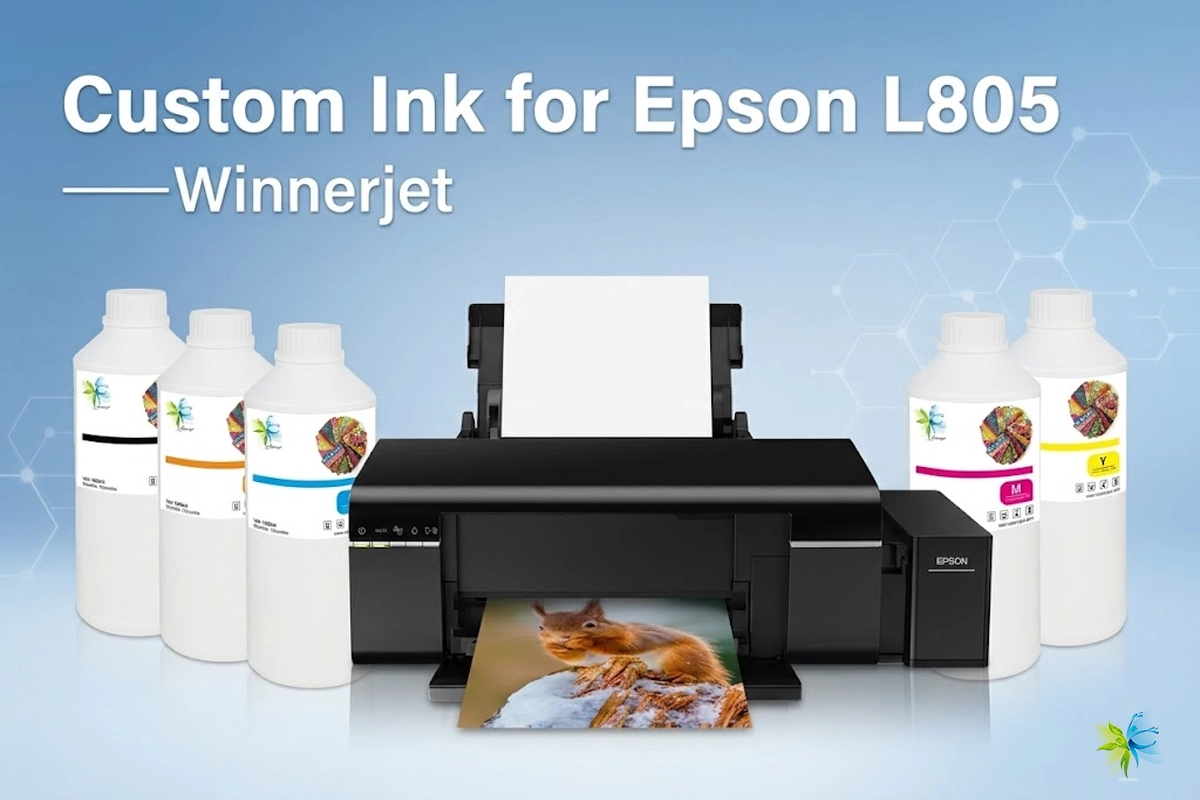
You can use a dedicated DTF printer or a converted inkjet model, as long as it supports white ink and has compatible printheads (like Epson or I3200). For business use, stability and print width are more important than size.
🖥️ RIP Software
A RIP (Raster Image Processor) is mandatory. It handles:
- CMYK color output
- White ink layer for dark fabrics
- Ink channel control and mirroring
Without RIP software, prints won’t layer correctly or cure well.
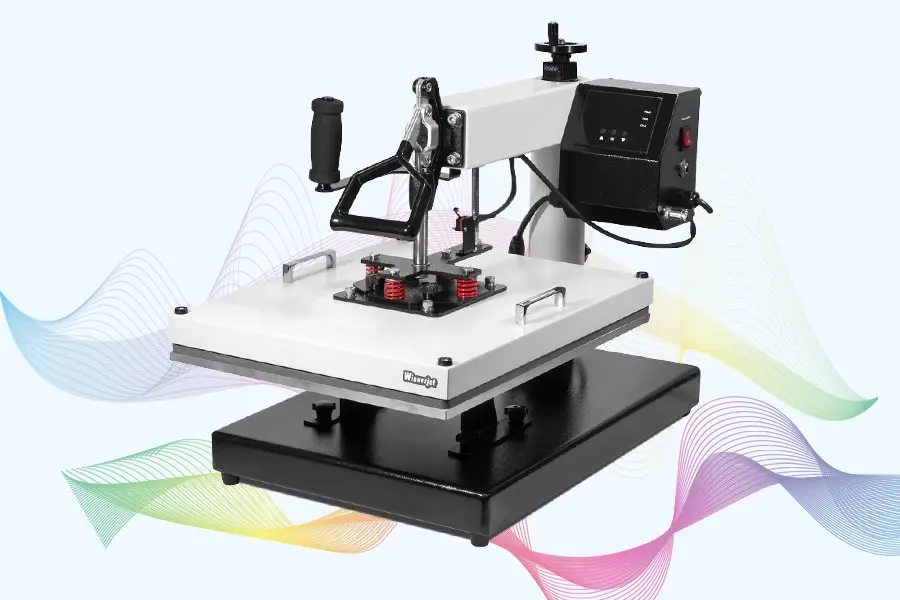
🔥 Heat Press or Curing Oven
You need one of these to melt the adhesive powder:
- Heat press: ideal for small batches
- Curing oven: better for higher-volume production
Consistent temperature and timer settings matter more than brand.
✅ 2. Essential Consumables & Supplies
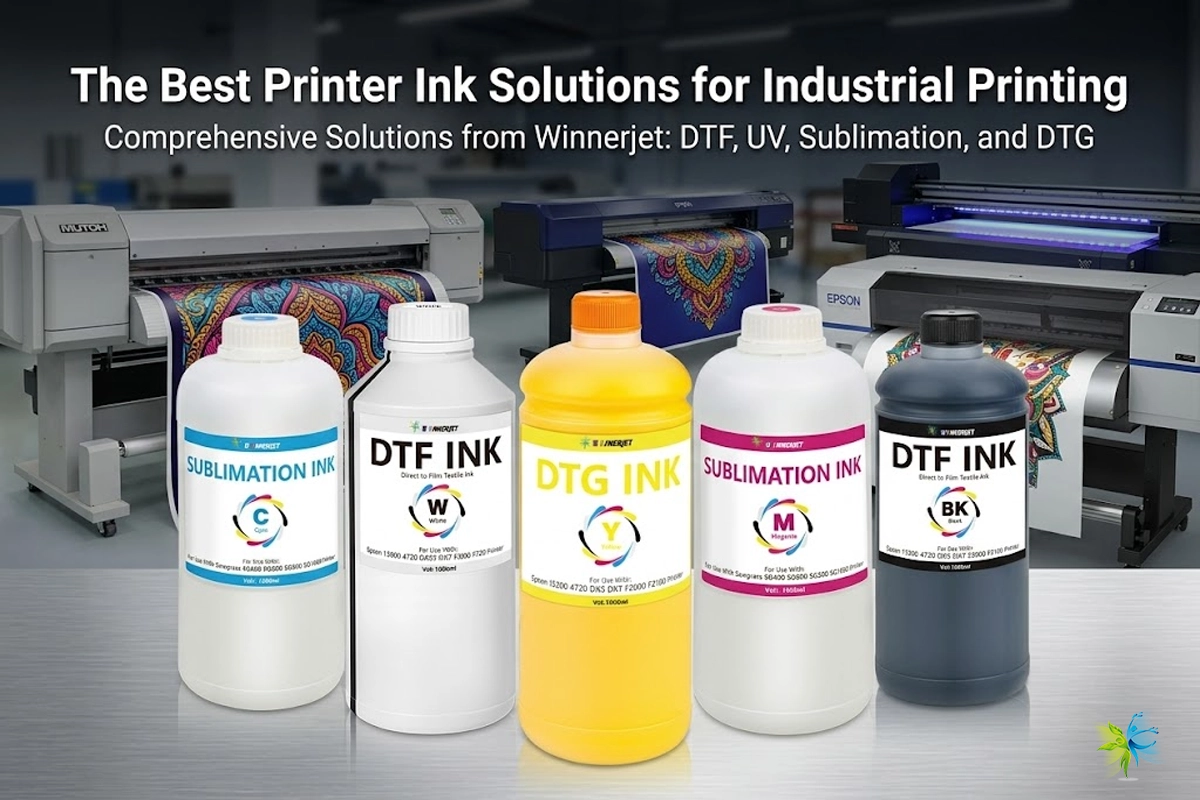
White ink is what makes DTF work on dark and colored fabrics. The most important things to look for are:
- Low settlement rate
- Good flow through printheads
- Strong wash resistance
Winnerjet inks are commonly used with Epson-head machines for this reason.

Choose coated PET film designed for DTF. The two main options:
- Hot peel – faster production
- Cold peel – safer for delicate fabrics
Film thickness and coating quality directly affect print sharpness.
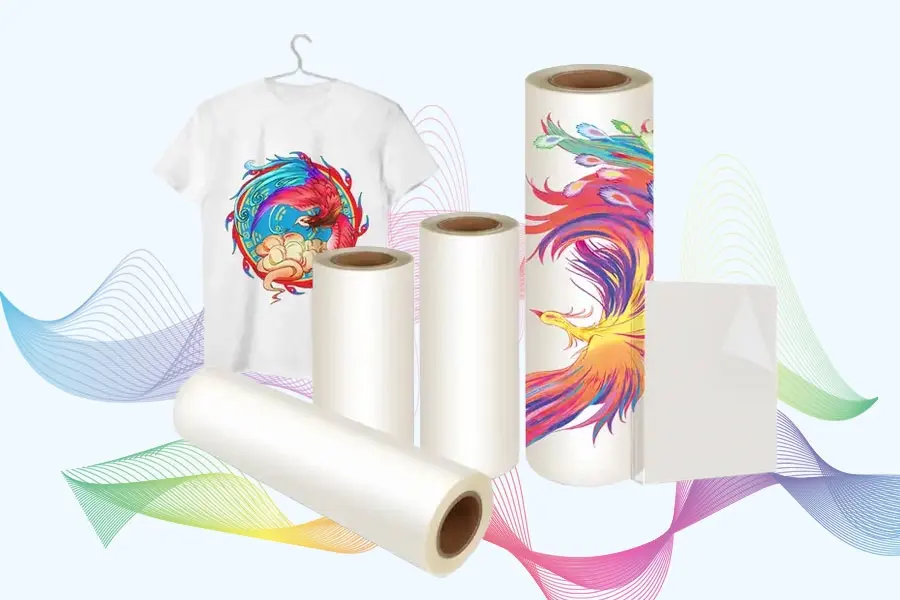
Fine powder melts evenly and improves wash durability. Coarse grains may leave texture or reduce adhesion on stretchy fabrics.

✅ 3. Helpful (But Optional) Add-Ons
If you’re planning daily use or small-scale production, these will make life easier:
- Automatic powder shaker
- Air purifier or extractor fan
- Film storage racks
- Cleaning solution and nozzle maintenance tools
These aren’t required to start, but they save money and downtime long term.
✅ 4. Workspace & Setup Requirements
Good output isn’t just about equipment. Your environment matters too:
- Ventilation – curing creates light fumes
- Stable power – prevents printhead errors
- Humidity control – avoids clogging and static
- Routine cleaning – keeps white ink from settling
A small desk setup is enough, as long as you plan for airflow and film handling.
✅ 5. Budget & Production Planning
Your setup cost depends on your business model:
Entry-level startup
- Converted printer
- Basic heat press
- Manual powder application
- Small volume
Production-ready workflow
- Industrial printer
- RIP software license
- Powder shaker + curing oven
- Bulk inks & rolls of PET film
Consumables (ink, film, and powder) will determine your running cost per print.
✅ 6. Why Many Shops Use Winnerjet Materials
You don’t need a specific brand to print DTF—but good materials change your profit margin. Winnerjet users often highlight:
- Inks tuned for Epson and I3200 printheads
- Stable color density and strong adhesion
- Lower clog risk during continuous printing
- PET films with clean peel and smooth finish
If you’re testing or upgrading supplies, those details matter.
✅ Ready to Print Without Guesswork?
If you’re sourcing inks, films, or powder for testing or production, Winnerjet supports both bulk orders and private labeling.
Contact us to request samples, pricing, or technical matching support.
✅ 7. Frequently Asked Questions
Can I use a regular home printer for DTF?
Most can’t handle white ink or film feeding. Only certain inkjet models can be converted, and it’s limited to small runs.
Is white ink always required?
Yes. It creates the base layer for full-color transfers, especially on dark or vibrant fabrics.
What’s better—hot peel or cold peel film?
Hot peel speeds up production. Cold peel works better for stretchy or sensitive fabrics. Many shops use both.
Do I need a heat press if I have an oven?
You need one or the other for melting the powder, but you still use a heat press to transfer designs to fabric.
How much does it cost to start DTF printing?
Small setups may start under $1,000. Full commercial gear can range from $3,000–$10,000, depending on printer size and automation.