The custom printing industry is booming. Experts believe the global custom T-shirt printing market will reach around $18.32 billion by 2034. This shows a huge demand for personalized clothes. This incredible growth means more opportunities for businesses. However, it also creates a big challenge. You must choose the best printing technology. Many new entrepreneurs face a simple choice. It often comes down to Direct-to-Film (DTF) versus sublimation printing.
Both methods give high-quality results. However, they are for different purposes. Picking the wrong one can waste your time and money. We at Winnerjet understand this problem very well. Therefore, in this blog, we explain the main differences between DTF and sublimation. This helps you choose the right option for your specific business needs.
Understanding the Core Process of Sublimation Printing
The first technology to understand is sublimation printing. It is a chemical process. Solid ink turns into a gas without first becoming liquid. This gas goes into the material’s fibers. It then becomes solid. This makes the print permanently bonded to the item.
Sublimation: What It Works On
Sublimation is great for polyester fabrics. It is also good for polymer-coated hard items. The ink connects directly to the polymer molecules. It is one of the best methods for vibrant, full-color designs. Use it on items like mugs, phone cases, ceramic tiles, and mousepads. The main limit is that it needs light-colored or white materials. You cannot sublimate onto black cotton. This is a critical limit to remember.
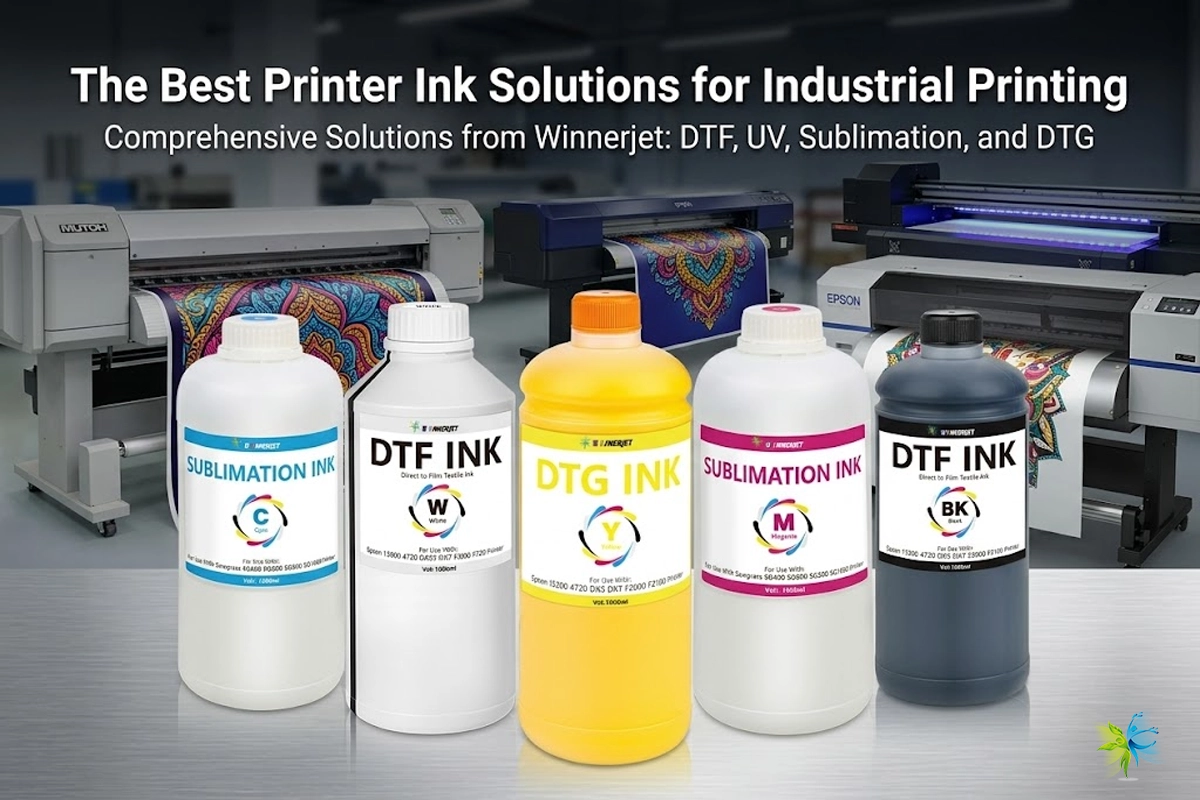
Using high-quality sublimation ink is essential. It gives these bright, professional results. The print lasts almost forever. It will not crack or peel. This is because it is part of the material, not sitting on top. We sell premium sublimation ink. It ensures maximum color transfer and reliability for professional use.
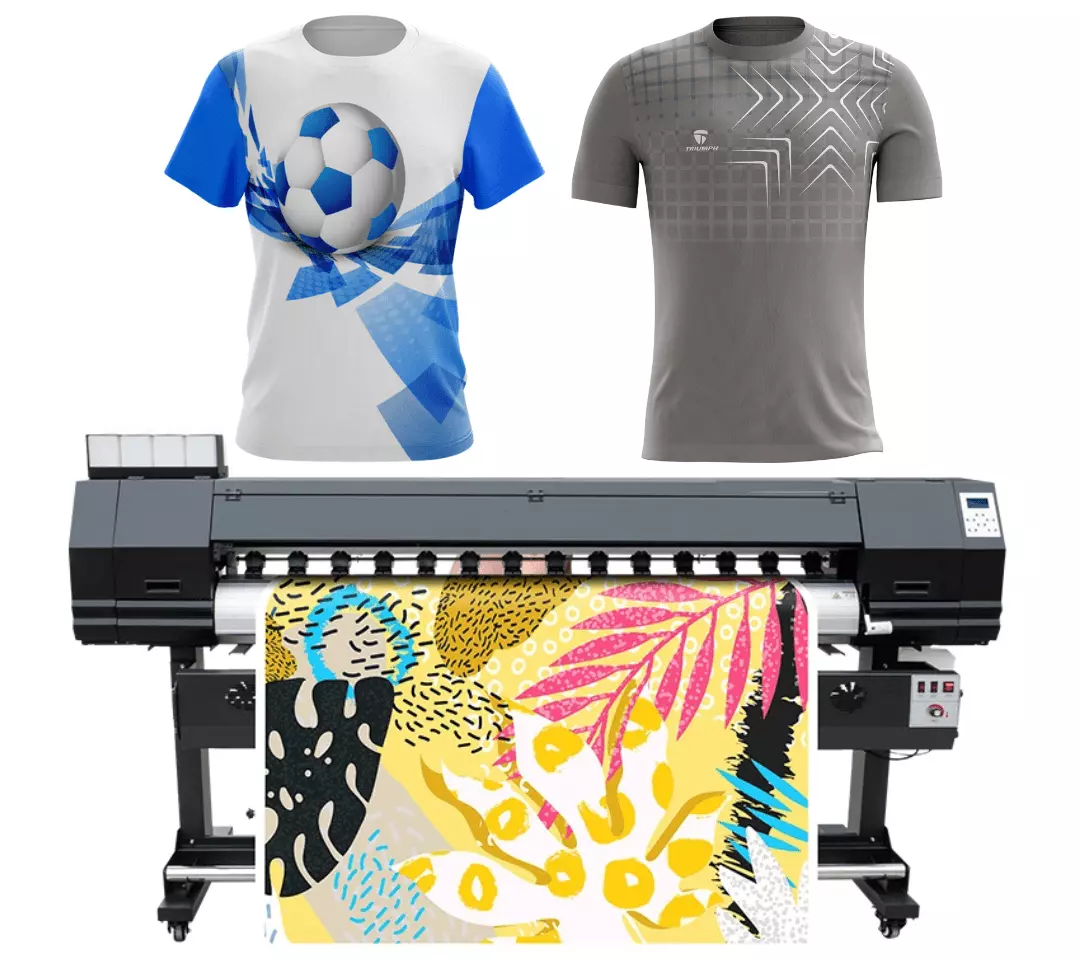
The DTF Alternative: Direct-to-Film Printing
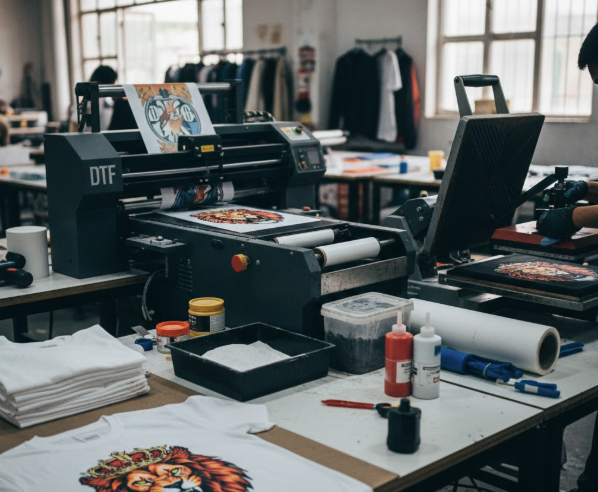
DTF, or Direct-to-Film, is a newer method. It has become very popular. This process prints a design onto a special film. Next, a powdered adhesive is applied. Then it is cured. Finally, the design is heat-pressed onto the clothing. DTF is an additive process. The ink sits on the surface of the material. This is unlike sublimation.
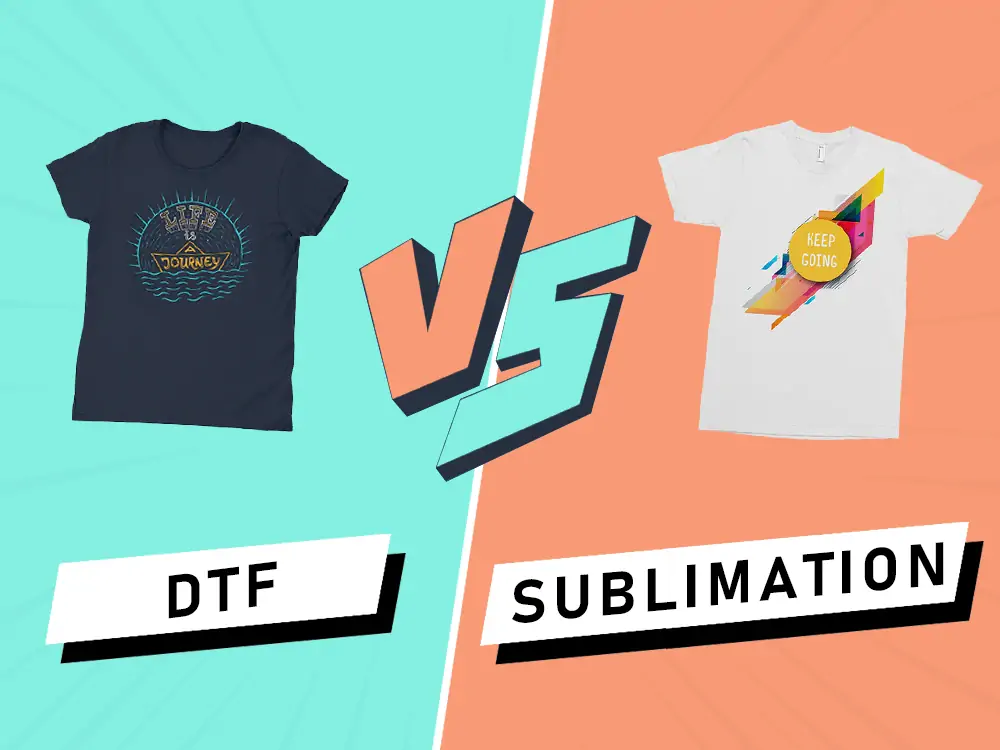
DTF is very versatile. It works on nearly any fabric. This includes cotton, polyester, blends, nylon, and even leather. It works well on light and dark garments. This is possible because of DTF white ink. This opaque layer of DTF white ink is printed last. It acts as a base layer. This stops colors from mixing with the dark garment underneath.
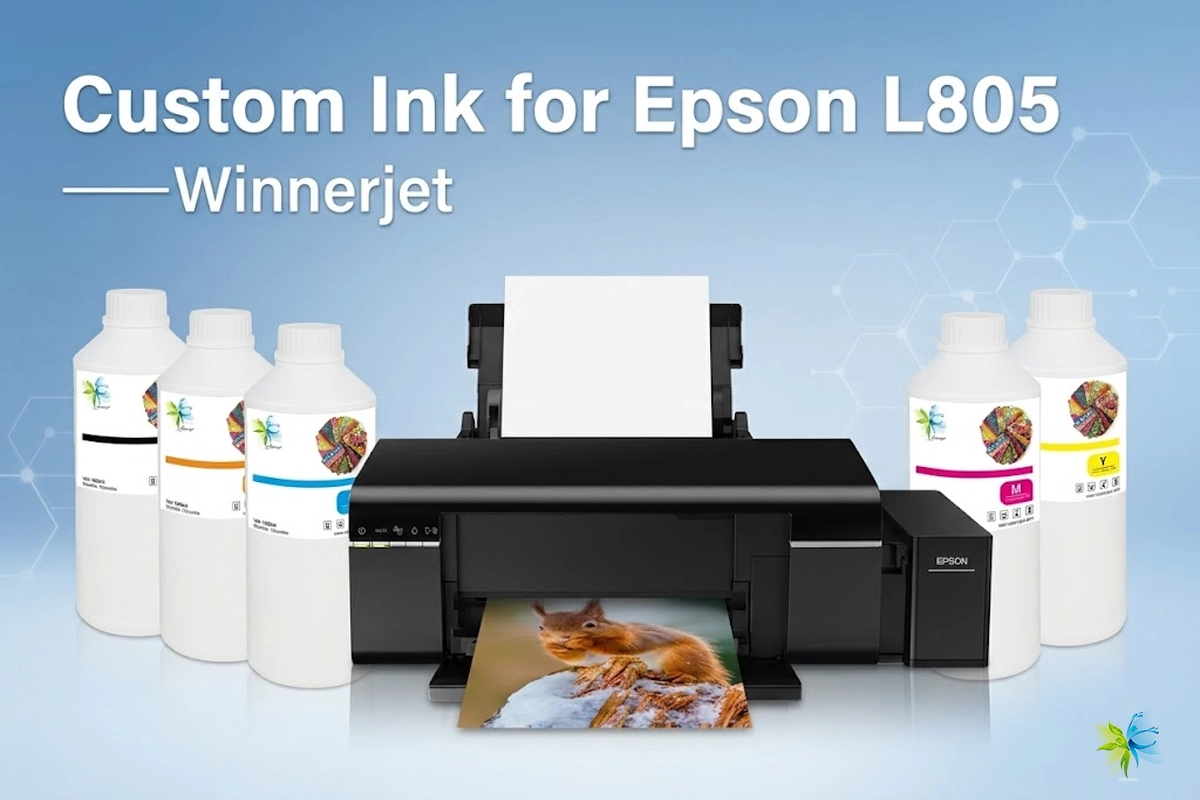
If you use Epson-based DTF systems, you need the right chemicals. We offer specialized DTF ink for Epson printers. We also have high-performance Epson DTF ink. This guarantees smooth printhead use and rich color output.
DTF vs Sublimation: A Direct Comparison of Materials and Inks
When picking a technology, compare them. Think about the products you will sell. Also, think about the inks you need.
Fabric Compatibility and Feel
Feature | DTF Printing | Sublimation Printing |
Material | Cotton, poly/cotton blends, polyester, nylon, synthetic fibers. Works on dark and light colors. | 100% Polyester or materials with high polyester content (ideally 65% or higher). Requires light or white items. |
Print Feel | Slightly plasticky or vinyl-like texture (especially in the area with DTF white ink). Thinner prints are softer. | The ink goes into the fabric fibers. Very soft and breathable. |
Durability | Excellent wash fastness and stretch resistance. It can crack over a very long time if the transfer is too thick. | Superior durability. No cracking or peeling. It is dyed into the material. |
Color Quality and Specialized Inks
Sublimation prints look incredibly vibrant on polyester. The process creates photorealistic images. But it cannot make it truly white. Anything meant to be white stays the color of the garment. This is why light-colored fabrics are necessary.
DTF fixes the white problem completely. It uses specific chemistry. It uses specialized DTF ink for Epson machines. This includes Cyan, Magenta, Yellow, Black, and the vital DTF white ink. This ensures perfect color reproduction on all fabrics. We also offer UV DTF ink solutions. Use this if you want to print on non-textile items without coating limits. This ink allows for very durable transfers. Use it on unique hard goods like glass or metal.
Production Factors: Speed, Cost, and Investment
The cost of printing is a huge factor in your final choice.
Initial Investment
- Sublimation: The starting cost is quite low. You can begin with a modified desktop printer, specialized sublimation ink, and a heat press.
- DTF: The starting cost is higher. You usually need dedicated DTF printers. This includes models that work with Epson DTF ink. A powder shaker/curing unit is often needed for fast production.
Operational Cost and Speed
DTF can handle bulk orders for cotton T-shirts very quickly. It needs less preparation time than DTG (Direct-to-Garment). It is generally faster for complex, multi-color logos on dark shirts than screen printing. The ongoing costs involve the film, powder adhesive, and DTF ink for Epson printers.
Sublimation works best when printing hard items. It is also great for high volumes of simple polyester apparel. Does your business focus on promotional items? Think of customized mugs or phone accessories. Sublimation is the more cost-effective choice for time and materials. The cost of genuine sublimation ink and high-release paper is the main expense.
Expanding Your Product Range
DTF offers a much wider range of usable items. This includes printing on polyester, cotton, and blends. DTF is the clear winner if variety is your goal. Print on dark T-shirts, tote bags, and hoodies. It gives flexibility that sublimation printing cannot match. This is especially true of natural fibres. For special needs, use UV DTF ink. It creates durable vinyl stickers or labels with a clear, glossy finish. This makes DTF an even more versatile tool. You can expand product offerings into the sign and hard goods market.
We can help you choose the right machines. Tell us if you need a high-speed DTF setup. Maybe you need an industrial sublimation printing line. We make sure you have the correct DTF ICC profile and ink mixes for your machine.
Scale Your Brand With Reliable DTF and Sublimation Printing Systems
Your choice between DTF and sublimation depends on your products. It depends on your target fabric. DTF is the clear winner if you need maximum flexibility. This means printing on all materials, including cotton and dark garments. Sublimation printing is better if you focus on high-volume, vibrant, permanent prints. This is true for light polyester and hard goods. Both technologies offer huge potential for customization.
With Winnerjet, you get the right machines and premium inks. This helps you master either process. It ensures your printing business succeeds with quality and efficiency. Choose the technology that best fits your business goal.
Contact Winnerjet today. Let us help you print on everything. This goes from T-shirts and bags to phone cases!
FAQs
1. What is the main advantage of DTF?
DTF offers great versatility. It works on any fabric color or type. This includes dark cotton and polyester blends.
2. When should I choose sublimation printing?
Choose sublimation for light-colored polyester items. It gives the most durable, zero-feel print. It is best for mugs and other hard goods.
3. Does DTF printing require a white ink layer?
Yes, DTF white ink is key. It creates an opaque base. This ensures your colors look bright, even on dark garments.
4. Can sublimation work on dark cotton T-shirts?
No. Sublimation ink needs polymer fibers. It also needs a light color to show the design. DTF is the correct choice for dark cotton.