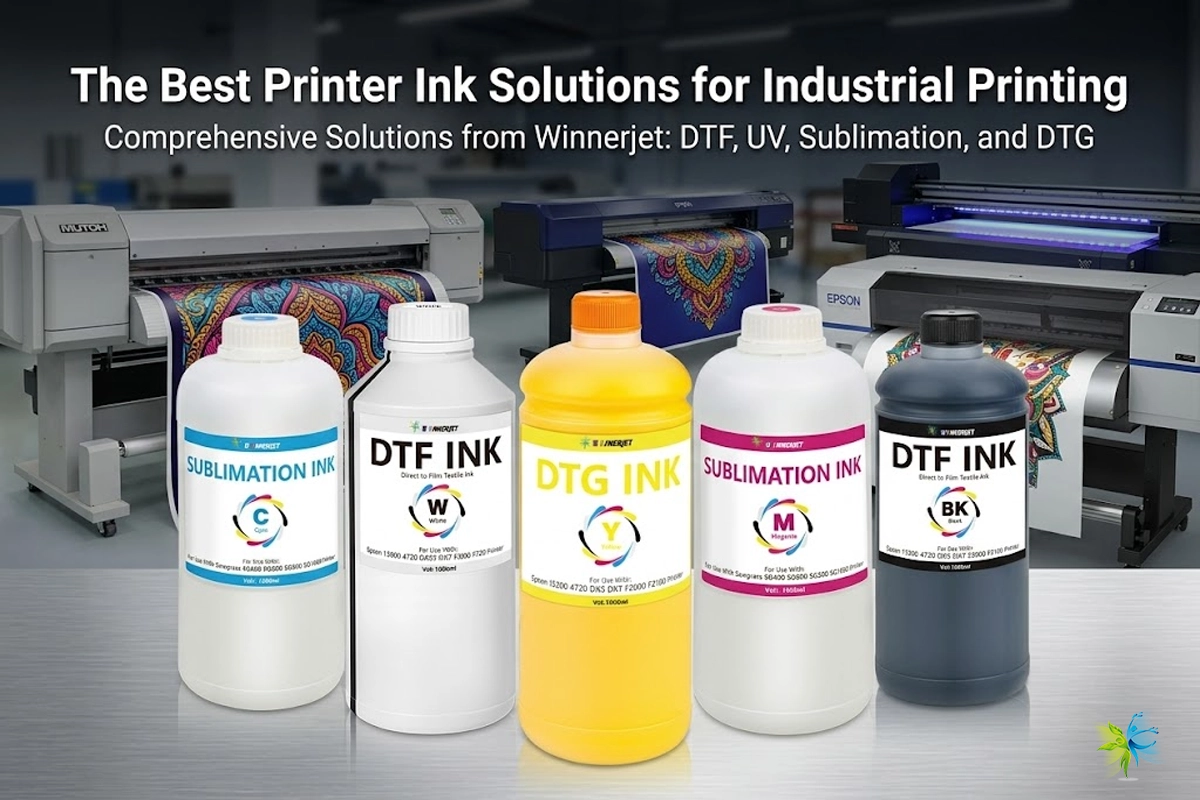
Pigment ink generally costs around US $7 – 16 per kilogram, though the exact cost can vary depending on several key factors such as pigment quality, formulation complexity, color type, and production scale. High-grade formulations that use ultra-fine pigments, advanced dispersants, and long-term stability agents can raise the cost to US $20 – 30 /kg, while large-scale production for standard colors like black or CMYK may reduce it to as low as US $5 /kg. In short, the cost of pigment ink is largely driven by the balance between performance requirements and manufacturing efficiency.

The main factors that determine pigment ink
The production cost of pigment ink is influenced by several major factors.
1.Pigment quality and type – high-purity, fine-particle pigments with strong lightfastness and water resistance are more expensive.
- Formulation complexity – the choice of binders, dispersants, stabilizers, and other additives directly affects both performance and cost.
- Manufacturing process – advanced dispersion, filtration, and quality control steps add to processing expenses.
- Production scale – large-scale automated production can significantly reduce unit costs through economies of scale.
- Packaging and logistics – specialized packaging for long-term stability and safe transport also contributes to overall cost. In short, pigment ink production is a balance between achieving consistent quality and maintaining cost efficiency.
Cost of pigment ink of current mainstream market brands:
| Brand / Type | Typical Use Case | Estimated Production Cost (USD/kg) | Notes |
| Standard CMYK Pigment Ink | General printing, large-scale production | $7 – $12 | Basic formulation, low pigment concentration |
| Mid-Range Pigment Ink | Office printers, textile, signage use | $12 – $18 | Higher pigment purity, better dispersion |
| High-End / Specialty Pigment Ink | Art printing, white ink, archival-grade | $18 – $30+ | Fine pigments, high stability and durability |
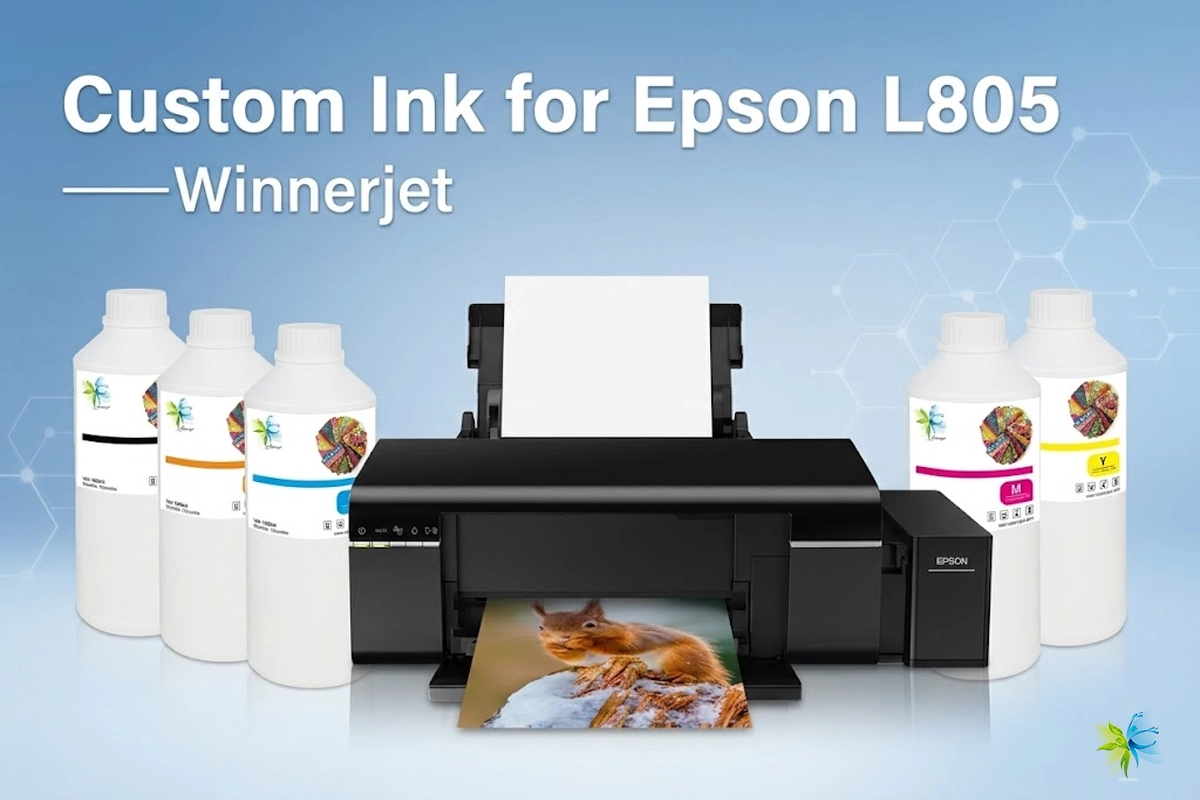
| Winnerjet Pigment Ink | Professional-grade pigment ink for Epson, Canon, HP printers | Estimated cost ~$15 – $25/kg, retail price ≈ $145–250/L | Known for strong water resistance and vivid color quality |
The cost advantage of producing pigment ink in China is obvious
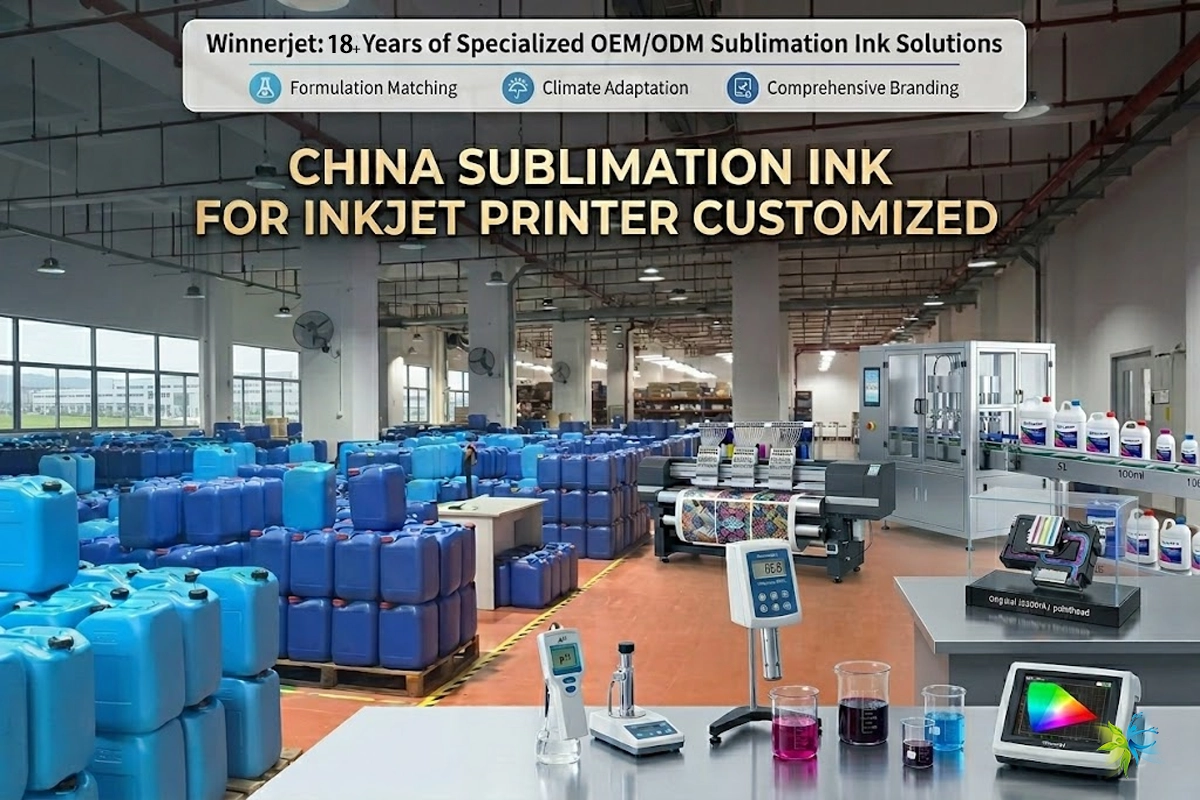
In China, known as the world’s manufacturing hub, pigment ink production enjoys both cost and quality advantages that are hard to match globally. The country’s well-developed chemical industry provides easy access to high-quality raw materials such as pigments, dispersants, and resins, while large-scale factories enable efficient, automated production that keeps unit costs low. Additionally, the technical expertise accumulated over decades allows Chinese manufacturers to maintain excellent color consistency, durability, and printhead compatibility across different printing systems. Beyond production efficiency, the customer service mindset in China—fast communication, flexible order handling, and strong OEM/ODM support—has become a key factor attracting global clients.
Winnerjet, with over 20 years of experience in pigment ink manufacturing and export, exemplifies these strengths. The company not only offers competitive prices and reliable quality but also provides comprehensive technical support, custom formulations, and long-term cooperation solutions tailored for partners worldwide. This combination of cost efficiency, technical maturity, and service excellence makes Winnerjet and other leading Chinese pigment ink manufacturers preferred choices for global printing businesses.
In summary, the production cost of pigment ink generally ranges from US $7 to 30 per kilogram, depending on factors such as pigment quality, formulation complexity, color type, and production scale. While this gives a general idea of the cost structure, specific figures can vary significantly based on customized formulations and production requirements. If you would like to know more detailed production cost data for your specific needs, please feel free to contact us—our team can provide tailored information and professional guidance.