Introduction
Textile printing is an art of creating designs or patterns on a fabric or cloth. It plays an essential role in fashion, industry, and home decor. As time progressed, printing methods grew more advanced and in turn became more creative as well as efficient and sustainable.
Understanding Textile Printing
1.1 What is Textile Printing?
Textile printing incorporates color or designs onto fabrics using various methods. Unlike dyeing, which involves fully soaking the fabric, printing applies designs with stencils, screens, or even digitally. Doing so achieves bold and precise designs on the fabric surface.
1.2 Benefits of Textile Printing
Textile printing makes it possible for users to print directly onto the fabric. It is also an efficient way to make patterns with large volumes, making it cost effective to produce in large numbers. This modern method allows for prints to be made in bulk while having a reduced impact on the environment.
Types of Textile Printing Techniques
2.1 Traditional Printing Methods
Some of the oldest methods that use block printing and screen printing have been around for hundreds of years. Block printing involves carved blocks for applying dyes, while screen uses a mesh to transfer ink. Rotary screen printing is a fast mass production version of screen printing.
2.2 Modern Printing Methods
Newer techniques such as digital printing can now incorporate inkjet technology to print directly onto fabric. Heat transfer printing applies designs with the help of heat and pressure. Electric sublimation printing goes a step further by using heat to turn the ink into gas to bond with synthetic fabrics.
2.3 Specialty Printing Techniques
Some specialty forms of printing involve discharge printing technique, where the dye is stripped off to form a pattern, and resist printing where areas are set in block from the dye transfer. Flock printing adds value by offering a raised surface as puff and foil printing adds 3D features or polish to the prints.
Selecting the Right Fabric for Printing
3.1 Natural Fabrics
Natural fibers such as cotton, silk, and wool are the best for printing as they can absorb and retain color and are soft to touch. However, every fabric type differs in the printing technique that may be used, with cotton being the most easily printed on and silk being the most difficult.
3.2 Synthetic Fabrics
Cotton, polyester and spandex are very strong synthetic materials that can easily be printed on using the digital and sublimation processes. Polyester, in particular, is capable of taking clear, vivid and long-lasting printed images. It is acceptable for it to be used without the appropriate inks and treatments, but for the best results, it is preferable.
3.3 Fabric Blends and Their Printing Challenges
Fabric blends such as cotton blended with polyester come with a few problems when it comes to printing. The prints may need different treatments in the form of special types and amounts of ink, curing times, and other styles of printing so that the color printed on the fabric blends well and is durable.
Essential Tools and Equipment for Textile Printing
4.1 Printing Machines and Devices
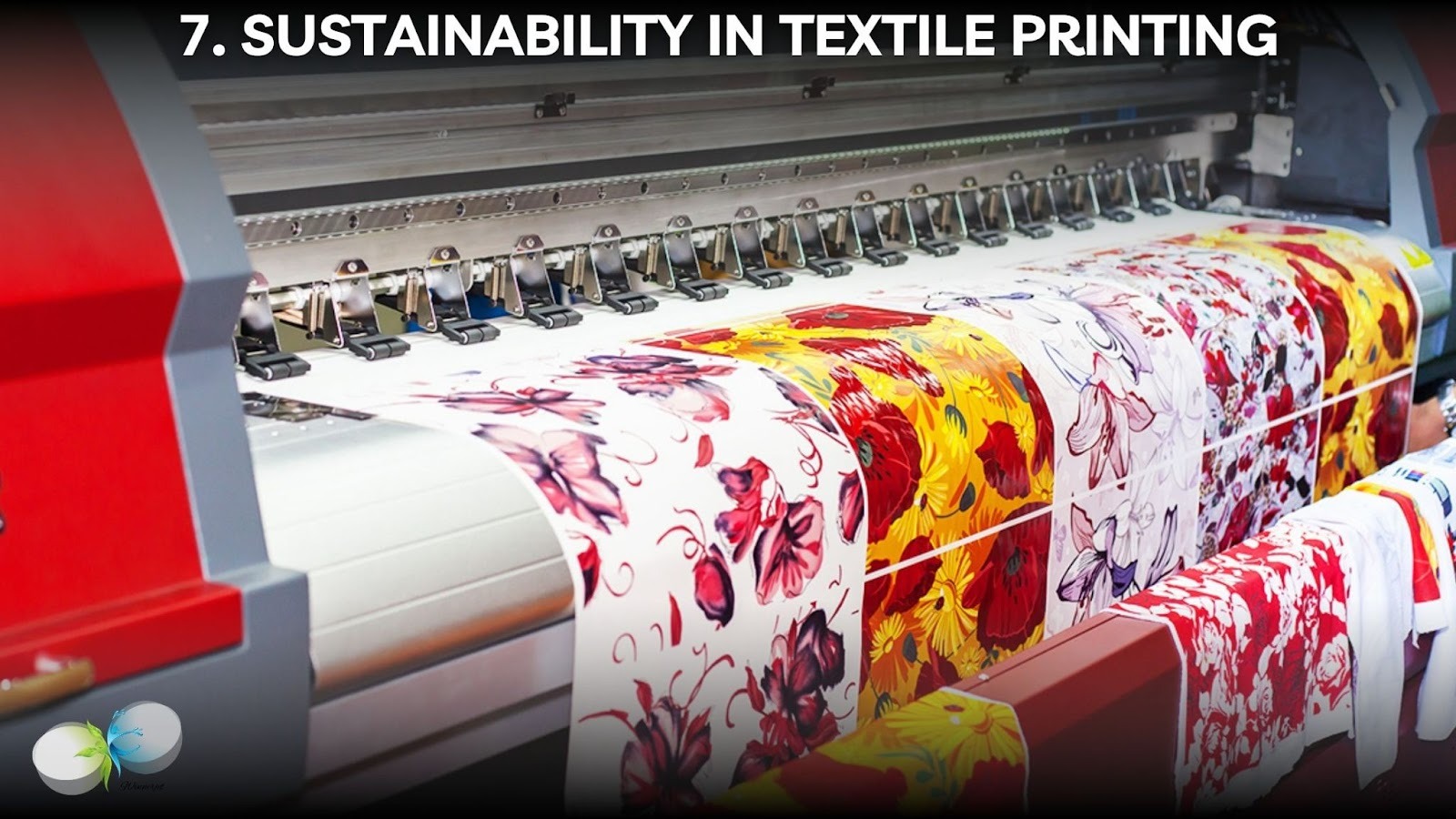
Screen printing machines, digital textile printers, and heat press machines for printing all the needed pictures and words on fabric material are essential for the businesses that trade in fabric internationally. Each item, such as the machines and tools, has its own role, like intricate design carving the prints on the fabric or the fabric being subjected to the press to transfer the prints needed on the fabric.
4.2 Inks and Dyes Used in Textile Printing
Pigment inks rest upon the fabric’s surface for textile printing. While dye-based inks sink into the fabric. Eco-friendly water and soy inks are gentler on the environment and are preferred for eco-friendliness.
4.3 Pre-Treatment and Post-Treatment Materials
Pre-treatment materials such as primers and coatings enable better ink uptake for fabrics. Durability of the print and vibrance is maintained through the application of fixing agents and heat setting. This ensures the fabric does not fade, wear off, or wash out over time.
Step-by-Step Guide to Printing on Textile
5.1 Preparing the Fabric
Wash the fabric first to eliminate impurities or chemicals that can interfere with the print. Next, stretch the frame the fabric onto the frame to print on the fabric, this ensures the best possible quality for sewing or embroidery work.
5.2 Setting Up the Printing Process
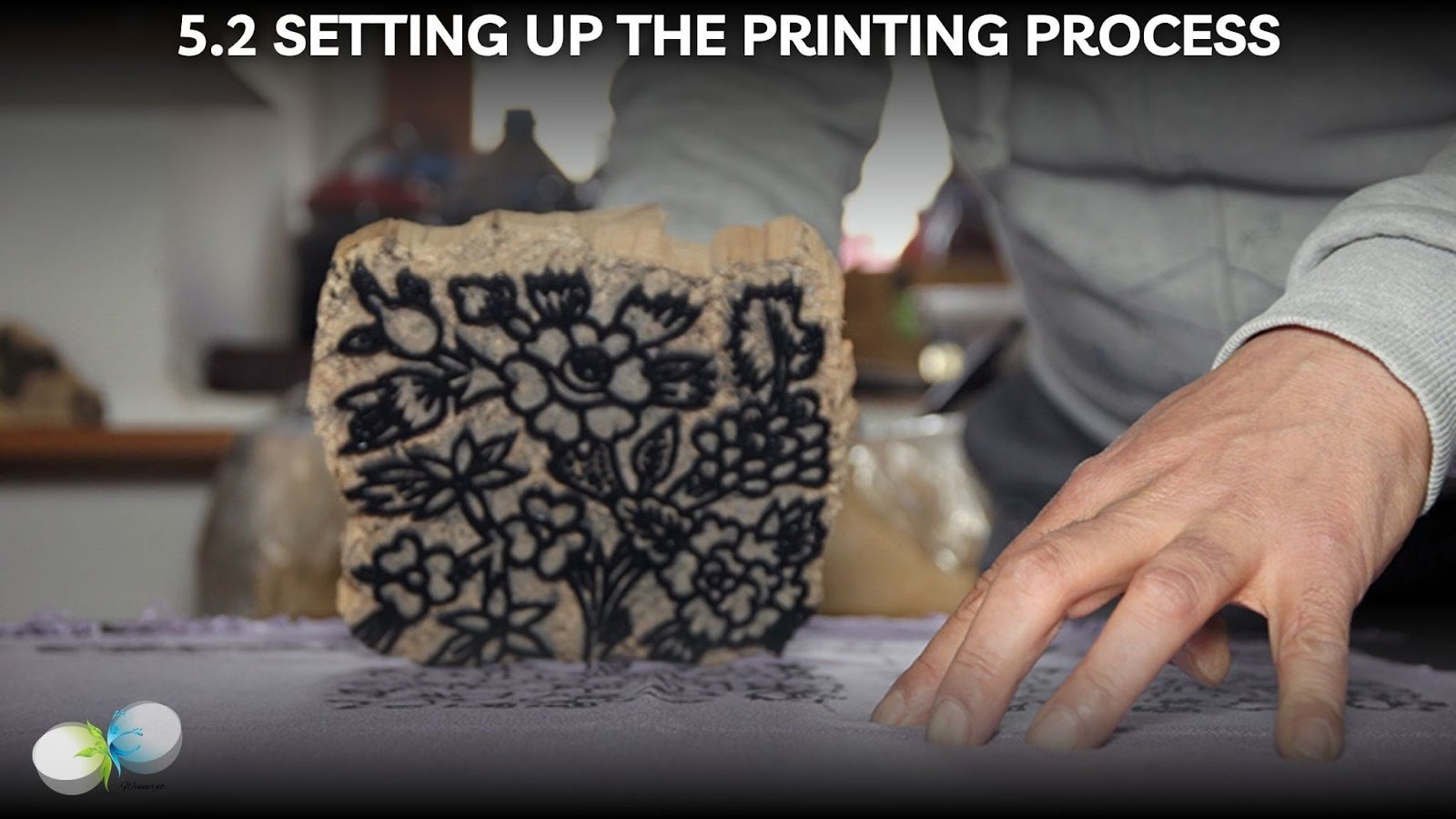
Consider the fabric and the design when selecting a suitable printing method. Ensure the design is properly centered on the fabric to avoid improper afixation of the design during embroidery or printing.
5.3 Executing the Print
Use the appropriate application method for the ink or dye. Ensure the ink is evenly delivered on the fabric. Use a heat press or firmly press down to ensure proper adhesion of the design.
5.4 Post-Printing Care
Curing the fabric or heat-setting it after printing guarantees that the design is well embedded. Clean the fabric to get rid of residual ink. Follow the care guidelines which assure the durability of the print, making it possible for the colors to stay intact even after several washes.
Troubleshooting Common Textile Printing Issues
6.1 Common Mistakes and How to Avoid Them
Common problems experienced in printing are ink stains, insufficient adhesion, and blurring. To avoid these, ensure that the fabric is treated appropriately, select the proper inks, and make the necessary adjustments for curing and application of heat to ensure the prints are clean and of good quality.
6.2 Best Practices for Consistent Results
To ensure that quality is kept for bulk orders, test out a product sample first prior to commence large scale printing. Conduct frequent checks on color and print quality to make sure that the final furnished good passes quality inspection before mass production.
Sustainability in Textile Printing
7.1 Eco-Friendly Inks and Dyes
Using environmentally friendly ink includes water colors or organic dyes. Such materials allow for less emission of pollutants and fewer chemicals to be used ensuring the safety of the environment as well as the users of the printing materials.
7.2 Reducing Waste in Textile Printing
Reduce wastage by diligent resource and ink control. Reusing and recycling textiles will greatly reduce cloth scraps. Furthermore, changing energetic and water-consuming habits will greatly diminish the carbon footprints associated with textile printing.
Applications of Textile Printing
8.1 Fashion and Apparel Industry
Textile printing is commonly used in the fashion industry for novelty T-shirts, casual apparel, and designer fashion prints. It is popular for adding fine details on unique and limited edition pieces making it a designers favorite accessory.
8.2 Home Décor and Upholstery
They can be applied on bedroom curta
ins, bedcovers, and upholstered furniture. Custom prints provide homeowners an opportunity to express themselves by decorating their homes in a style that they prefer.
8.3 Industrial and Commercial Uses
The same applies for fashion and sportswear fabrics that are branded as corporate gifts. It is also common in industrial and commercial uses, such as embroidered logo apparel, branded clothing, and specialty performance garments.
Conclusion
From clothing to home furnishings, the uses of this invention are endless. It is also rapidly developing; new approaches are being produced to better fit customer requirements. The textile printing industry is set to grow with newer innovations and eco friendly solutions.
FAQs
What is the most durable textile printing method?
Other print processes that are highly durable are screen printing and sublimation. While screen printing works with a wider range of fabrics, radical prints at high temperature are permanently attached to synthetic materials in sublimation.
Can I print on dark fabrics?
Yes, but specific attention is paid when printing on dark fabrics. Fabric business owners and designers often use white ink and heat transfer printing when black or dark colored fabric are in use. These methods can guarantee that the print is clear and bright on the dark background.
What is the difference between sublimation and heat transfer printing?
The process of sublimation is a unique one. It is the process of turning ink into gas so that it can bond with synthetic fabrics and create prints that are vibrant and permanent. In contrast, heat transfer printing uses heat to bond a printed design on transfer paper to fabric. While this method is easier than sublimation, it’s durability is greatly lacking.
How do I prevent my prints from fading over time?
One way to prolong the prints is to use high quality fabrics, inks, and avoid applying harsh detergents or direct sunlight. It is also best practice to heat set the fabric after washing them and to eco-friendly inks that can adhere to clothing in order to prolong print longevity.
Is digital textile printing better than screen printing?
In comparison to screen printing, digital printing has more flexibility and is easier, faster, and can cater to small runs more efficiently. It should be noted that digital print has less durability. Both types have their pros and cons depending on the needs of the project.