How to Revive a Pigment Ink Pad
Don't throw away your dried-up pigment ink pad! 3 easy steps to revive it, plus long-term maintenance guide

Many people encounter the problem of pigment ink pads drying out and hardening during use. It feels wasteful to throw them away, yet they're unusable if kept. However, a dried pigment ink pad isn't necessarily "dead" - with the right revival methods, it can usually be restored to its former glory. As a professional pigment ink manufacturer, Winnerjet will guide you through reviving a dried ink pad based on the characteristics of pigment inks, while sharing practical tips to extend your ink pad's lifespan.
1. First, assess: Is your pigment ink pad salvageable?
Before attempting revival, identify the type of dryness - "surface dryness" or "deep depletion" - as this directly affects success rates. Pigment ink pads consist of a "sponge base + pigment ink". High-quality pigment inks contain resin, which forms a waterproof film when dry, leading to two types of dryness:
- Repairable "surface dryness": Lightly pressing the surface reveals slight sponge elasticity with only surface ink clumping. Stamping produces faint but visible color, caused by prolonged air exposure and surface moisture evaporation. Easy to repair.
- Difficult-to-repair "deep depletion": The sponge feels rock-hard with no elasticity, possibly cracked. Stamping shows only pressure marks without color, indicating complete loss of internal pigment and moisture, likely with sponge degradation. Replacement is recommended.
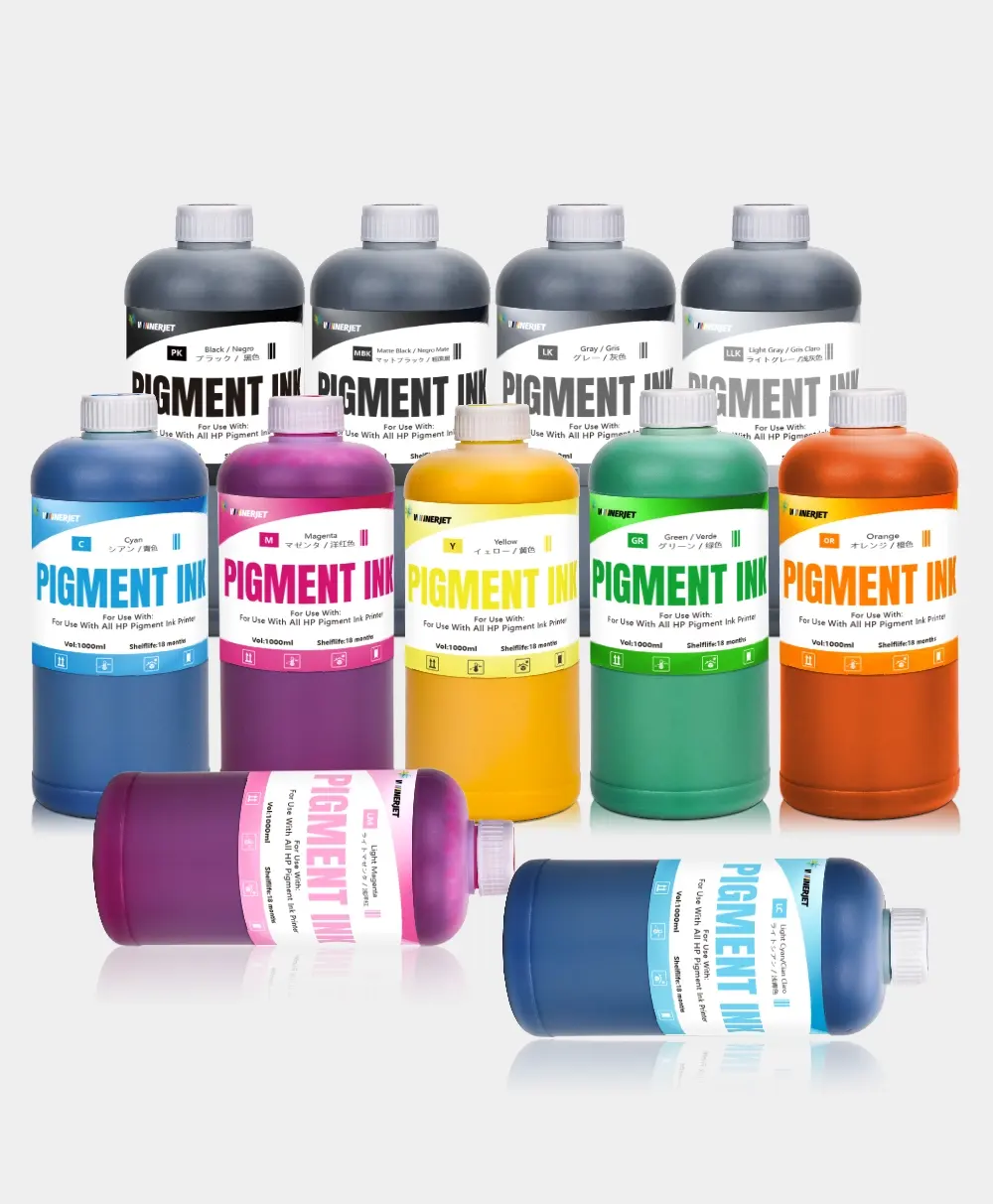
2. 3-step revival method: Choose the right approach based on dryness level
For "surface dryness", common household materials suffice. The key principle: "Gradual hydration to avoid uneven ink dilution". Three scenarios:
1. Mild dryness (slightly dry surface, lighter color): Distilled water revival
With plenty of internal pigment, only lost moisture needs replacement. You'll need: distilled water (or boiled-cooled water), dropper (or cotton swab), plastic wrap.
- Step 1: Use dropper to apply 1-2 drops of distilled water per cm², avoiding pooling.
- Step 2: If no dropper, gently wipe surface with water-dampened swab for slow absorption.
- Step 3: Close lid, wrap tightly in plastic wrap, and let sit in a cool place for 4-6 hours to allow moisture-pigment.
- Step 4: Remove, blot surface with clean tissue. If no visible water and pad feels soft, it's ready.
2. Moderate dryness (Surface caking, uneven stamping): Specialized ink replenishment
When surface has hardcaking, water alone won't dissolve pigment. You'll need: matching pigment ink pad refill (not regular dye ink), toothpick, plastic scraper.
- Step 1: Gently pick away Surface caking with toothpick, avoiding sponge damage, exposing underlying sponge.
- Step 2: Apply 2-3 drops of specialized ink to exposed areas, spread evenly with scraper.
- Step 3: Repeat until entire surface has thin ink layer, close lid and rest 12 hours.
- Step 4: Next day, press surface with scraper. If ink adheres evenly, it's ready. For remaining Surface caking, add 1 more drop and extend resting time.
3. Severe dryness (hard surface, shrunken sponge): Layered penetration method
With moisture and pigment lost from surface to depth, gradual replenishment is needed. You'll need: specialized ink, syringe (without needle), plastic wrap.
- Step 1: Fill syringe with 3-5ml ink, make evenly spaced holes (1cm deep, 2cm apart) in surface, inject ink slowly to avoid overflow.
- Step 2: After injection, gently press pad to spread ink internally, add 1-2 drops on surface to cover.
- Step 3: Close lid, wrap tightly, rest in cool place 24 hours, pressing every 8 hours to aid absorption.
- Step 4: After 24 hours, test with scrap paper. Even color and complete mean success. For remaining dry areas, repeat once.
3. Avoid these mistakes: They'll ruin your ink pad
Many accidentally ruin their pads through improper handling. Avoid these 3 mistakes:
- Mistake 1: Using tap water or alcohol. Tap water contains impurities causing mold; alcohol dissolves resin, losing waterproof properties and causing smudging.
- Mistake 2: Adding excessive ink at once. Over-saturating causes smearing, with excess ink damaging plastic casing.
- Mistake 3: Direct sunlight or heat drying. High temperatures accelerate resin hardening, making revival harder, while sunlight fades colors.
4. Long-term maintenance: Triple your ink pad's lifespan
Revival is emergency care - daily maintenance is key. Follow these 3 tips for a consistently smooth ink pad:
- Close lid tightly after use: Always ensure full closure to prevent air exposure. For loose lids, add sealing tape around edges.
- Regular moisture maintenance: Even with infrequent use, add distilled water every 3 months (using the mild dryness method) to keep sponge moist.
- Proper storage conditions: Avoid, radiators, or high humidity areas. Optimal conditions: 15-25°C, 50-60% humidity. Store in sealed container with desiccant.
Conclusion
A dried pigment ink pad isn't irreversible. With appropriate revival methods based on dryness level and proper maintenance, it can be restored to usefulness. Whether for bullet journaling or office use, a well-maintained ink pad enhances work quality and efficiency. Next time your pad dries out, try these methods to bring it back to life. If problems persist, check for sponge deterioration or color degradation - timely replacement ensures optimal performance.
For more questions about dried pigment ink, please contact us.