If you’re using DTF transfers, storing them the right way is very important. Good storage keeps the prints clean, sticky, and ready to use—whether it’s next week or in a few months.
In this guide, you’ll learn simple and practical tips to help keep your DTF transfers fresh and long-lasting.
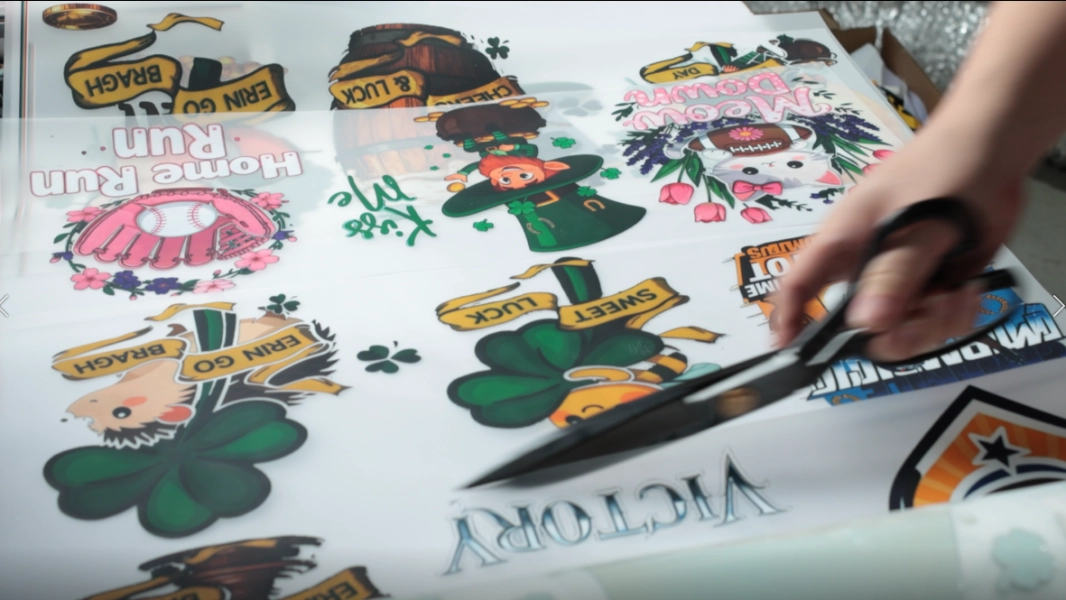
🌡️ 1. Store in a Cool, Dry Place
DTF transfers don’t like heat or moisture.
To keep them in good condition:
- Temperature: Best between 15°C and 25°C (59°F–77°F)
- Humidity: Keep it below 60%
- Don’t store near heaters or under direct sunlight
💡 Use a small thermometer and humidity checker if needed.
📁 2. Use Clean, Sealed Containers
To protect your transfers from dust, dirt, or bending:
- Use ziplock bags or plastic storage boxes
- Store them flat, not rolled
- Place a sheet of baking paper between each transfer
- Write the print date on each batch
🛑 Don’t use cardboard boxes—they soak up moisture and can ruin your prints.
🤲 3. Keep Them Clean
Dirty or oily hands can damage DTF transfers.
- Always touch transfers with clean, dry hands
- Keep them away from chemicals or ink sprays
- Wear cotton gloves if you’re handling many transfers daily
⏳ 4. Use Within 3–6 Months
Even with good storage, DTF transfers don’t last forever.
Try to use them within 3 to 6 months for the best results.
⚠️ Old transfers may lose stickiness or crack when pressed.
🗂️ 5. Organize by Design or Project
If you have many prints, keep them sorted for easier work.
- Use folders or labeled sleeves
- Sort by customer name or design type
- This saves time and avoids mistakes

Creative and Practical DTF Transfer Storage Ideas
Finding the right DTF transfer storage ideas can save you both money and space. Whether you are a hobbyist or running a high-volume printing business, how you organize your film is just as important as the storage environment itself. Here are some proven methods to keep your workspace tidy and your transfers protected:
- Anti-Static Storage Bins: Use clear, stackable plastic bins with airtight lids. This is the most effective way to prevent dust and humidity from ruining the glue layer.
- Vertical Filing Systems: For smaller sheets (like A3 or A4), use expanding file folders or office filing cabinets. Storing them vertically prevents the weight of the film from causing the transfers to stick together over time.
- Airtight Poly Bags with Desiccant: For long-term storage, place your DTF transfers into resealable poly bags.
🎈 Pro tip: Toss in a small silica gel packet (desiccant) to absorb any stray moisture.
- Roll Racks and Cradles: If you use roll film, avoid laying the rolls flat on the floor which can cause “flat spots.” Use a wall-mounted roll rack or a dedicated media cradle to keep the film suspended and crease-free.
- Climate-Controlled Cabinets: For premium results, some professionals use dry cabinets (often used for camera gear) to maintain a constant 40-50% humidity level.
🏷️ Winnerjet Product Suggestions
Want the best results? Start with the right materials:
✅ Winnerjet DTF Transfer Film – smooth release, fast drying, easy to store
✅ Storage Sleeves & Boxes – flat, moisture-proof, dust-free
✅ DTF Ink & Powder Sets – compatible and reliable for all major DTF printers
📞 Need help choosing the right product?
✨ Final Thoughts
Storing DTF transfers the right way keeps your prints looking fresh and helps avoid wasted material. Just follow these simple tips and use reliable supplies.
📩 Need help finding the right DTF film or storage solution?
👉 Contact Winnerjet for expert advice or a free sample today!
❓ FAQs
How long do DTF transfers last in storage?
They stay fresh for up to 3–6 months if stored in a cool, dry place.
Can I stack transfers on top of each other?
Yes, just use a sheet between each one to stop them from sticking.
Should I keep transfers in the fridge?
No. Fridges are too humid and may ruin the film.
Does sunlight affect DTF transfers?
Yes. Sunlight can fade the image and reduce stickiness.
What’s the best humidity level for storage?
Keep it around 40%–60% for best results.