Is Epson 502 Ink Pigment or Dye?
Complete Guide to Epson 502 Ink Technology, Composition, and Performance Characteristics
Quick Answer: Epson 502 Ink Type
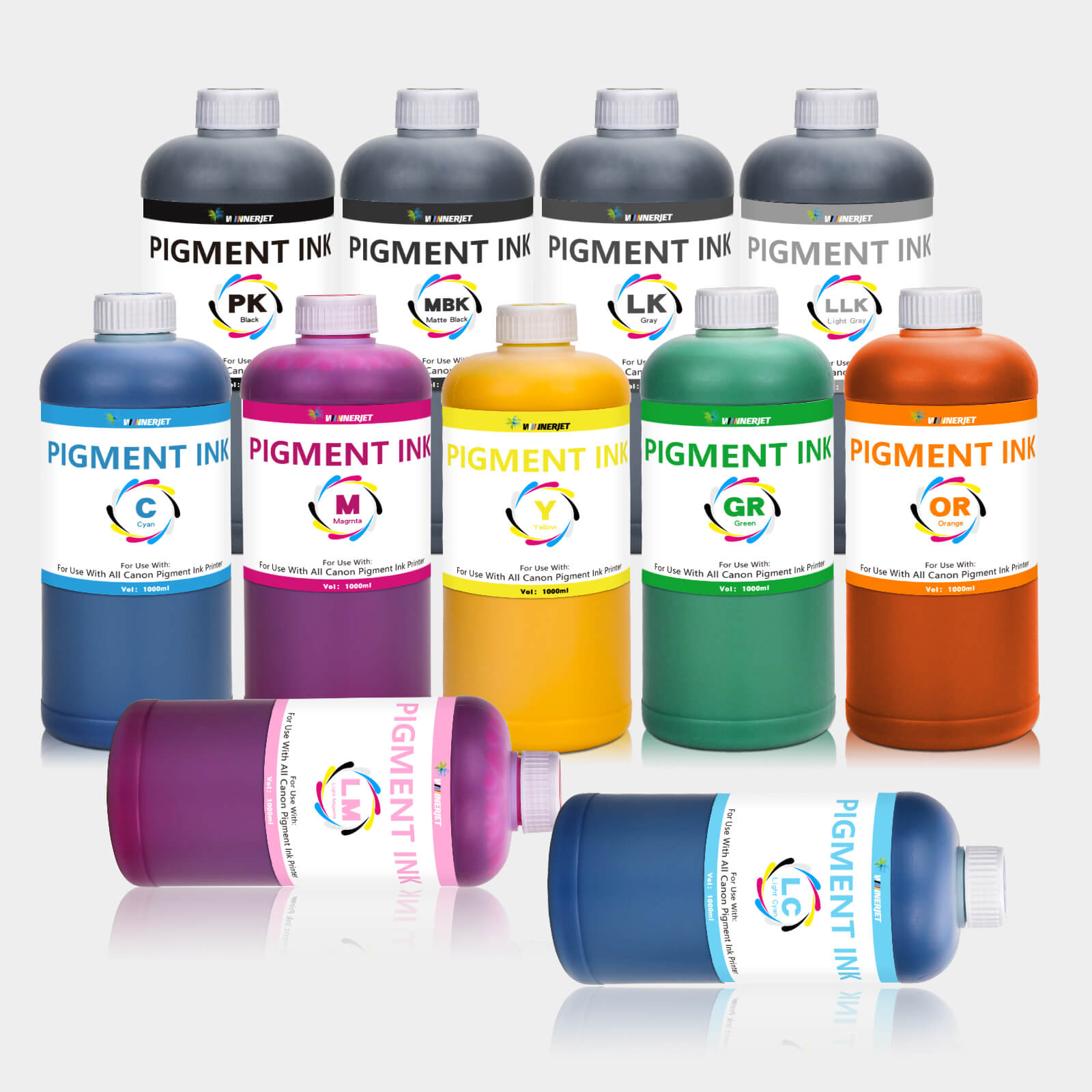
The Epson 502 series, used in popular printers like the Epson Expression Home XP-5100, XP-5105, and WorkForce WF-2860, utilizes dye-based ink technology. This choice by Epson reflects the target market for these printers: home users and small offices who prioritize vibrant colors and cost-effectiveness over maximum longevity.
Epson 502 ink cartridges utilize dye-based ink technology for vibrant color reproduction
Understanding Dye vs Pigment Ink Technology
What is Dye-Based Ink?
Dye-based ink, like that found in Epson 502 cartridges, consists of colorants that are completely dissolved in the liquid carrier. This creates a homogeneous solution where the dye molecules are molecularly dispersed throughout the ink. The result is exceptional color vibrancy and smooth gradations, making it ideal for photo printing and graphics.
Color Vibrancy
Dye-based inks produce more vibrant, saturated colors compared to pigment inks. The dissolved dye molecules allow light to penetrate and reflect more effectively, creating brilliant hues.
Smooth Gradations
Because dye molecules are completely dissolved, they create smoother color transitions and gradations, essential for high-quality photo printing.
Cost Effectiveness
Dye-based inks are generally less expensive to manufacture, making them ideal for consumer-grade printers like those using Epson 502 cartridges.
Paper Penetration
Dye molecules penetrate deeper into paper fibers, creating a more integrated print that's less likely to flake or scratch off.
What is Pigment-Based Ink?
Pigment-based ink contains tiny solid particles suspended in the liquid carrier. These particles sit on top of the paper surface rather than being absorbed, creating different characteristics in terms of durability and appearance.
Detailed Comparison: Dye vs Pigment Characteristics
| Characteristic | Dye-Based Ink (Epson 502) | Pigment-Based Ink |
|---|---|---|
| Color Vibrancy | Excellent - Very vibrant and saturated | Good - More muted but accurate |
| Fade Resistance | Moderate - 10-25 years with proper storage | Excellent - 100+ years archival quality |
| Water Resistance | Poor - Susceptible to water damage | Excellent - Highly water resistant |
| Print Cost | Lower - More economical per page | Higher - Premium pricing |
| Photo Quality | Excellent - Superior for photos | Good - Better for text and graphics |
| Drying Time | Faster - Absorbs into paper quickly | Slower - Sits on surface longer |
| Clogging Tendency | Lower - Less likely to clog print heads | Higher - Particles can cause clogs |
Why Epson Chose Dye-Based Ink for 502 Series
Epson's decision to use dye-based ink in the 502 series reflects several strategic considerations:
Cost Considerations
Dye-based inks are significantly less expensive to manufacture than pigment-based alternatives. This cost savings allows Epson to offer the 502 cartridges at competitive prices while maintaining healthy profit margins. For consumers, this translates to lower per-page printing costs, especially important for high-volume photo printing.
Photo Printing Excellence
The 502 series printers are marketed heavily toward photo enthusiasts and families who want to print memories at home. Dye-based ink excels in this application, producing vibrant colors with smooth gradations that make photos appear more lifelike and engaging.

Photo prints using Epson 502 dye-based ink demonstrate superior color vibrancy and smooth gradations
Printer Design Optimization
Dye-based inks are less likely to cause print head clogs, reducing maintenance requirements and improving user experience. This reliability factor is crucial for consumer printers that may sit unused for extended periods.
Performance Characteristics of Epson 502 Dye-Based Ink
Color Accuracy and Gamut
Epson 502 cartridges deliver exceptional color accuracy within the sRGB color space, making them ideal for standard photo printing and web graphics. The four-color CMYK configuration (Cyan, Magenta, Yellow, Black) provides a wide color gamut suitable for most home and office applications.
Longevity Expectations
While not matching the archival quality of pigment inks, Epson 502 dye-based prints offer respectable longevity when properly stored:
- Display Life: 10-15 years under normal indoor lighting conditions
- Album Storage: 20-25 years when stored in photo albums away from light
- Dark Storage: 50+ years in ideal dark, cool, dry conditions
Paper Compatibility
Epson 502 dye-based ink works optimally with:
- Epson Premium Photo Paper
- High-quality glossy and semi-gloss photo papers
- Matte photo papers for artistic prints
- Standard copy paper for everyday documents
Maximizing Epson 502 Ink Performance
Optimal Storage Conditions
To maximize the performance and longevity of your Epson 502 cartridges:
Temperature Control
Store cartridges at room temperature (15-25°C). Avoid extreme temperatures that can affect ink viscosity and performance.
Humidity Management
Maintain moderate humidity levels (40-60%). Too dry can cause ink to thicken; too humid can cause cartridge issues.
Light Protection
Store cartridges in their original packaging away from direct sunlight to prevent premature ink degradation.
Orientation Matters
Keep cartridges upright in their natural printing position to prevent air bubbles and ensure proper ink flow.
Print Quality Optimization
To achieve the best results with Epson 502 dye-based ink:
- Use High-Quality Paper: Invest in genuine Epson photo papers or high-quality alternatives
- Adjust Print Settings: Select appropriate quality settings for your intended use
- Regular Maintenance: Perform regular print head cleaning to maintain optimal performance
- Proper Drying: Allow prints to dry completely before handling or stacking
When to Consider Pigment-Based Alternatives
While Epson 502 dye-based ink excels in many applications, certain scenarios might warrant considering pigment-based alternatives:
Business Document Printing
For businesses requiring water-resistant documents or outdoor signage, pigment-based inks offer superior durability. However, this comes at a higher cost per page.
Fine Art Reproduction
Professional artists and photographers creating limited edition prints often prefer pigment-based inks for their color accuracy and longevity, despite the higher costs.
Frequently Asked Questions (FAQ)
No, you should not use pigment-based ink in printers designed for Epson 502 cartridges. The printer's print heads and ink delivery system are specifically engineered for dye-based ink. Using pigment ink could cause clogs, poor print quality, or even damage to your printer.
Unopened Epson 502 cartridges typically have a shelf life of 2-3 years from the manufacture date when stored properly. Once installed, they should be used within 6 months for optimal performance. The printer will display expiration warnings, but cartridges often remain functional beyond these dates.
Several factors can accelerate fading: exposure to direct sunlight, high humidity, poor-quality paper, or improper storage. To maximize print life, display prints away from direct light, use high-quality photo paper, and store prints in cool, dry conditions.
Most reputable third-party manufacturers produce dye-based ink for 502 compatibility to ensure proper function with your printer. However, quality can vary significantly. Always verify the ink type and read reviews before purchasing compatible cartridges.
While technically possible, refilling with different ink types (especially pigment-based) is not recommended. It can cause print quality issues, clogs, or printer damage. If refilling, use only high-quality dye-based ink specifically formulated for Epson printers.
Dye-based prints typically have more vibrant colors and may show slight water sensitivity. You can test by placing a small drop of water on an inconspicuous area - dye-based prints may show slight color bleeding, while pigment prints remain unaffected.
For photos, use Epson Premium Photo Paper Glossy or Semi-Gloss for best results. For documents, high-quality inkjet paper works well. The paper's coating is designed to work optimally with dye-based inks, providing better color saturation and longevity.
No, Epson offers both dye and pigment-based systems. The 502 series uses dye-based ink, but Epson's Expression Photo and some WorkForce Pro models use pigment-based inks. Check your specific model's specifications to confirm ink type.
Need More Information About Epson 502 Ink?
Understanding your printer's ink technology helps you make better decisions about cartridge purchases, print settings, and storage methods. Whether you're printing family photos or important documents, knowing that your Epson 502 uses dye-based ink helps set proper expectations for quality and longevity.
Shop Epson 502 Cartridges