Yes, pigment ink is good for photo printing, but its performance depends on what kind of photo results you want. Overall, it offers clear advantages in three key areas:
- Excellent longevity – pigment prints resist fading and are ideal for long-term preservation.
- Strong water and light resistance – colors remain stable even in humid environments or under strong light.
- High color stability – prints are less likely to shift in color over time.
However, compared with dye ink, pigment ink is usually less vibrant and less glossy on high-gloss photo paper. This means pigment ink is a great choice if you value durability, stability, and a more professional look; but if you prefer very bright, glossy, lab-style photo effects, dye ink may be more suitable.
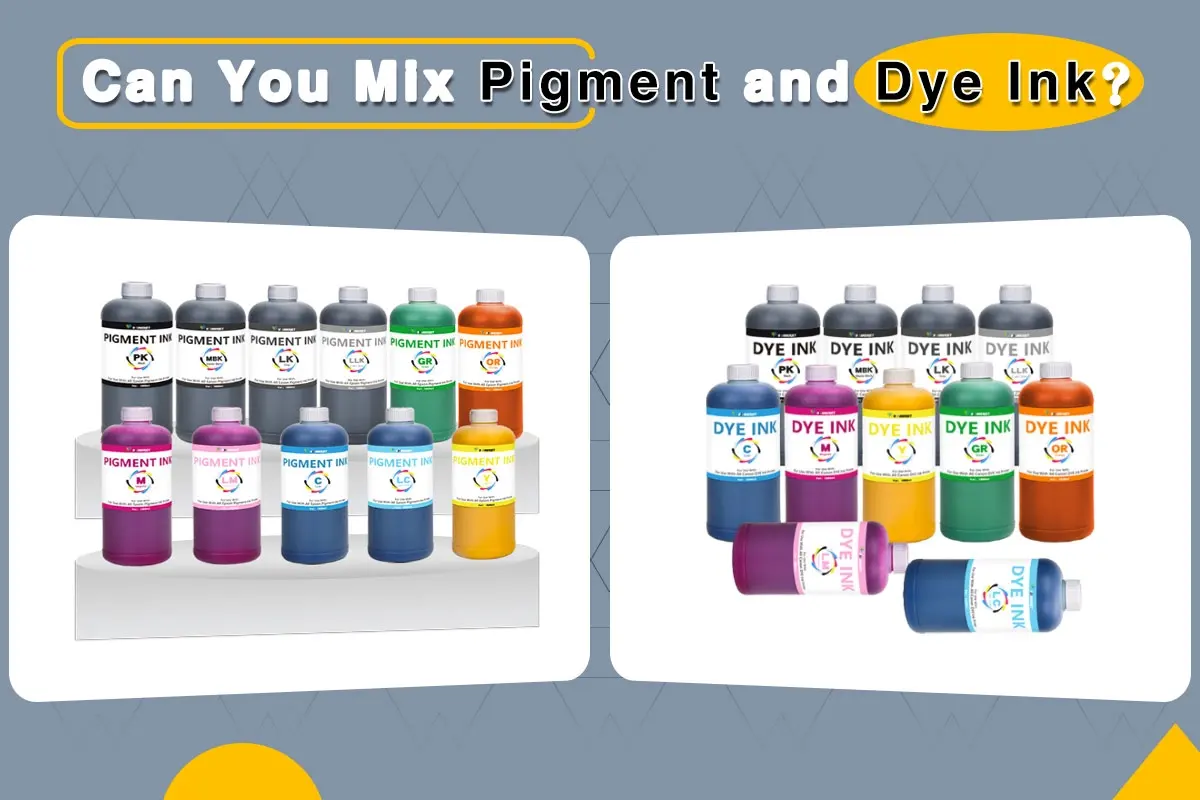
Why Is Pigment Ink Considered Suitable for Photo Printing?
Pigment ink is widely regarded as a suitable option for photo printing because it excels in several areas that matter most for professional-quality, long-lasting images. In photo production, a print is not just a picture—it is a record, an artwork, or a product that must remain stable over time. Pigment ink delivers this reliability through the following strengths:
1. Exceptional Fade Resistance and Long-Term Durability
One of the greatest advantages of pigment ink is its outstanding resistance to fading. The pigment particles are highly stable and less vulnerable to UV exposure, oxidation, and environmental impact. This makes pigment-based prints ideal for gallery displays, fine-art reproduction, and commercial prints where long-lasting color retention significantly determines the value of the final work.
2. Strong Water Resistance for More Presentation Scenarios
Unlike dye ink, which dissolves in water, pigment particles sit on the surface of the paper and do not easily break down when exposed to moisture. This makes pigment ink suitable for humid environments, frequent handling, or prints that may be exposed to accidental splashes. The images remain clean and intact without smudging or color bleeding.
3. Superior Color Stability for Archival and Documentation Purposes
For archival documents, official records, historical images, and professional photography, accuracy and stability over decades are essential. Pigment ink provides excellent chemical stability, ensuring that prints do not shift in color even after years of storage. This makes it a trusted choice for museums, libraries, government institutions, and companies managing long-term visual data.
4. Compatibility with a Wide Range of Professional Photo and Art Papers
Pigment ink works exceptionally well on matte paper, textured fine-art paper, cotton rag, and acid-free media—not only glossy photo paper. Many artistic and professional applications demand paper types with strong texture or unique surface characteristics, and pigment ink can reproduce fine details, gradients, and depth on these mediums with impressive precision.
5. Ideal for Professional Photography Styles and Artistic Expression
Pigment prints typically feature more natural, controlled, and realistic color tones. They are well-suited for fine-art photography, portrait work, documentary imagery, and black-and-white prints. While dye ink produces more vibrant and glossy effects, pigment ink excels in delivering a premium, sophisticated visual presentation.
Because of these advantages, pigment ink becomes the best choice when the priority is longevity, professional texture, accurate color reproduction, and overall stability of printed photos.
When Is Pigment Ink Not the Ideal Choice?
Although pigment ink excels in longevity, water resistance, and color stability, it is not the perfect choice for every printing scenario. In certain applications, dye ink may deliver better visual results. Understanding when pigment ink is not suitable helps users choose the right ink for their specific needs.
1. When you need extremely vivid colors and maximum gloss
Due to its particulate structure, pigment ink does not produce the same level of brightness, color saturation, or glossiness as dye ink on glossy photo papers. If you prefer bright, shiny, lab-style photos or vibrant commercial images, dye ink will generally give a more visually striking result.
2. When printing on high-gloss photo paper, where gloss differential appears
Pigment ink tends to sit on the surface of glossy paper, sometimes causing uneven gloss levels—especially in dark areas or full-color gradients. Users who prioritize perfectly uniform gloss usually prefer dye ink for glossy media.
3. When your goal is fast, low-cost home photo printing
Many home users prioritize speed, affordability, and visually pleasing results. Dye ink typically delivers brighter photo output at a lower cost and is usually the more economical choice for frequent home printing.
4. When printing on certain glossy or low-absorption media
Some resin-coated glossy papers or ultra-bright photo papers are designed to work better with dye ink because dye molecules can penetrate the coating more effectively. Pigment ink may not achieve the desired brightness or smoothness on these materials.
5. When producing commercial prints that demand strong visual impact
Applications such as promotional posters, colorful advertising graphics, or vibrant display images often require intense colors and high contrast. These scenarios typically favor dye-based or solvent inks rather than pigment inks.
In summary, when the focus is on brightness, glossiness, vivid color, and high visual impact, pigment ink may not be the most suitable option.

Photo Printing Recommendation: When to Use Pigment Ink and When to Use Dye Ink
Choosing between pigment and dye ink depends largely on the purpose of the printed photo and the visual effect you want to achieve. Below is a clear, practical guideline for selecting the right ink type based on different printing needs.
When You Should Use Pigment Ink (Recommended for These Situations)
1. When the photo needs long-term preservation without fading
Ideal for fine-art prints, family keepsakes, wedding photos, and archival images.
Pigment ink offers superior fade resistance and can remain stable for decades.
2. When the printed photo may face humidity or water exposure
Such as outdoor displays, window-side photos, or use in humid environments.
Pigment ink is water-resistant and won’t smudge or dissolve.
3. When you prefer natural, stable, and realistic color tones
Perfect for portrait photography, black-and-white photography, documentary work, and fine-art images.
Pigment ink delivers controlled and accurate color reproduction.
4. When printing on matte, cotton rag, textured art paper, or other professional media
Pigment ink shows better detail and depth on matte and fine-art papers.
Conclusion:
Choose pigment ink if your priority is professional quality, long-term durability, archival preservation, and color stability.
When You Should Use Dye Ink (Recommended for These Situations)
1. When you want bright, vivid, and glossy photo effects
Dye ink penetrates glossy photo paper deeply, producing vibrant colors and strong gloss—ideal for home prints and commercial visuals.
2. When printing large quantities of home photos quickly and economically
Dye ink is typically more affordable and delivers excellent color saturation at faster print speeds.
3. When your application requires strong visual impact
For advertising posters, promotional graphics, and display images, dye ink often looks more vivid and eye-catching.
4. When using glossy, RC, or ultra-glossy photo papers
These papers are designed to pair well with dye ink for optimal surface finish.
Conclusion:
Choose dye ink if your priority is high gloss, vivid colors, strong impact, and attractive visual appearance.
Conclusion: Is Pigment Ink Good for Photo Printing? Final Answer & Recommendation
Returning to the main question—Is pigment ink good for photo printing?
The answer is: Yes, absolutely—if your priority is longevity, stability, and professional-quality presentation.
Pigment ink excels in fade resistance, water resistance, archival durability, and natural color rendering, making it ideal for fine-art printing, portrait photography, gallery displays, commercial artwork, and long-term preservation. However, if you prefer high gloss, vivid saturation, or want fast, cost-effective home printing, dye ink remains the better option.
In other words, neither pigment nor dye ink is universally superior—the right choice depends entirely on your printing needs.
Understanding their characteristics allows you to make the best decision for every photo.
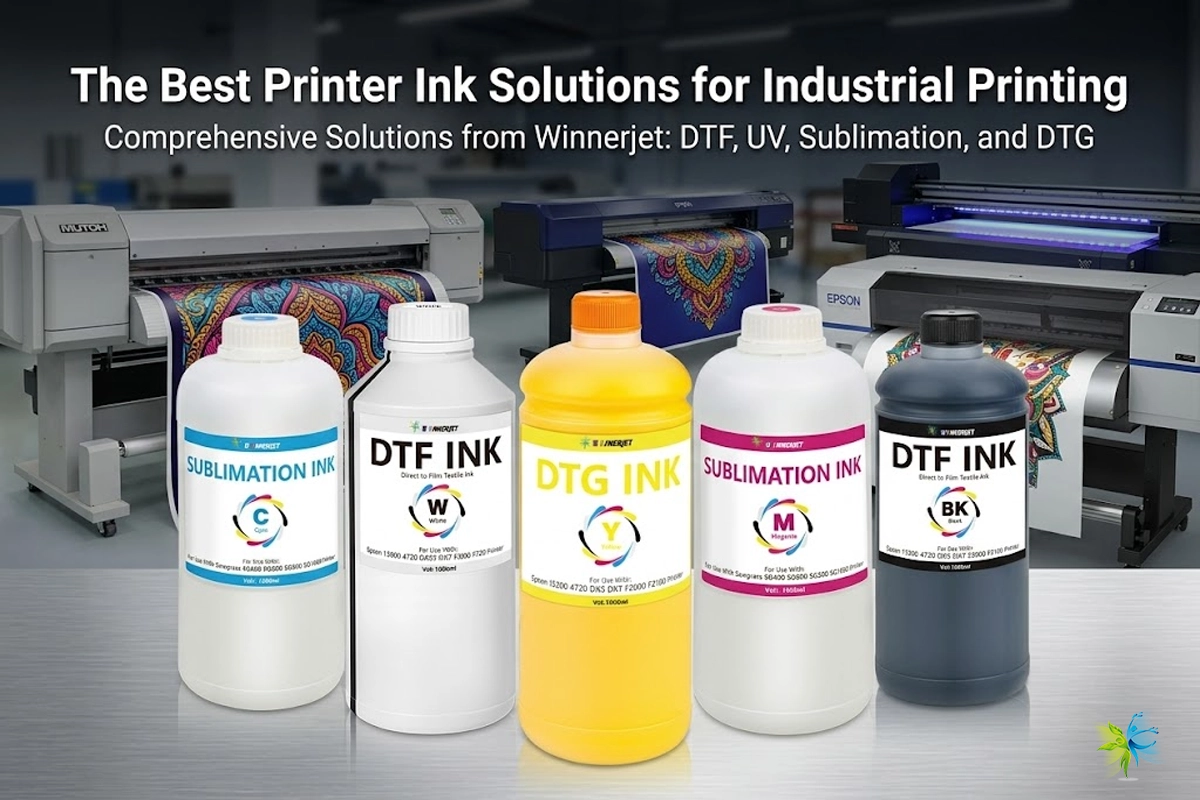
As an experienced manufacturer and supplier in the printing ink industry, Winnerjet provides both high-quality pigment and dye ink, designed for various printers and media types. Our inks are engineered for color accuracy, media compatibility, and long-term stability—ideal for home users, photo studios, and professional photographers alike.
If you’re still unsure which ink is best for your photo printing scenarios, feel free to reach out to Winnerjet for expert advice and tailored product recommendations.