Yes — you can use third-party ink in the Procolored K13 Lite DTF printer, but only if the ink is a compatible water-based DTF pigment ink designed for Epson printheads.
The K13 Lite is an Epson-based DTF system that requires specific ink properties, including proper viscosity, stable white ink dispersion, and nozzle-safe formulation. Using the wrong ink type — such as sublimation ink, DTG ink, or low-quality DTF ink — can cause printhead clogging, poor white coverage, and unstable color performance.
Before switching ink brands, it is essential to confirm compatibility based on ink chemistry, printhead model, and system requirements.
Why Ink Compatibility Matters for Procolored K13 Lite
Ink compatibility is not just about whether the printer can “print” — it directly affects printhead lifespan, print stability, and transfer performance. The Procolored K13 Lite typically uses an Epson-based printhead system, which is highly sensitive to ink viscosity, pigment particle size, and white ink sedimentation control.
DTF printing also relies heavily on white ink as a base layer. If the white ink is not properly formulated for Epson micro-piezo technology, it can settle quickly, clog nozzles, or create uneven film adhesion during heat transfer. Over time, incompatible ink may reduce color vibrancy, weaken wash resistance, and shorten the life of the printhead.
That’s why choosing the correct DTF ink formulation is critical for maintaining consistent output and protecting your equipment investment.
What Type of Ink Does Procolored K13 Lite Require?
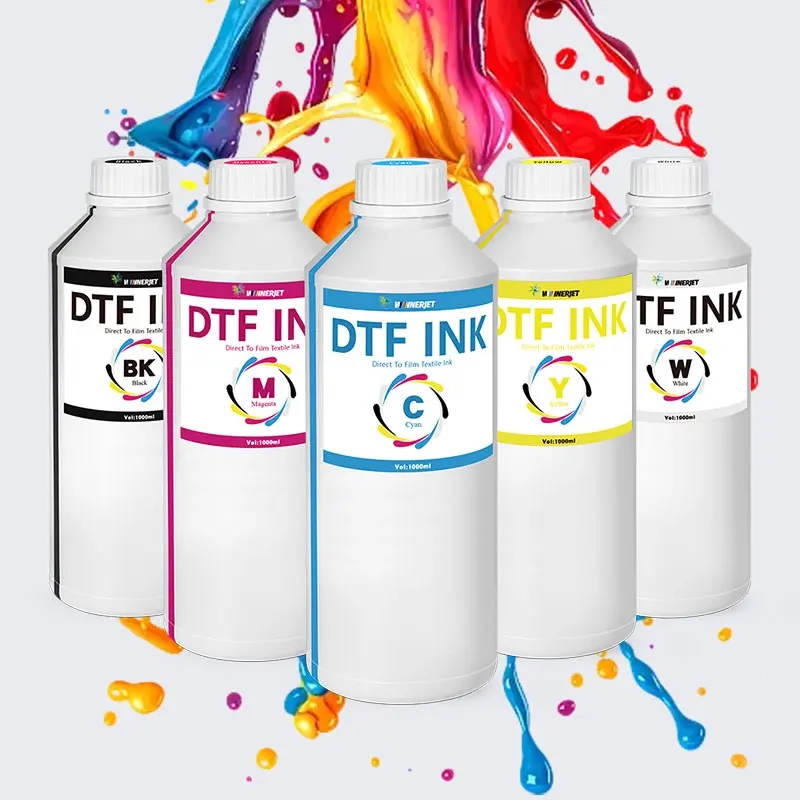
The Procolored K13 Lite requires water-based DTF pigment ink specifically formulated for Epson micro-piezo printheads. It uses a CMYK + White ink configuration and is designed to print directly onto PET transfer film before heat pressing onto fabric.
To ensure safe and stable operation, the ink must meet several key technical requirements:
1. Correct Ink Type
- Water-based DTF pigment ink
- Not sublimation ink
- Not DTG textile ink
- Not eco-solvent ink
Each ink system has a different chemical composition. Using the wrong type may result in poor adhesion, color shift, or permanent printhead damage.
2. Controlled Viscosity and Surface Tension
Epson printheads require precise ink flow characteristics. Ink that is too thick may clog the nozzles, while ink that is too thin may cause overspray and unstable droplet formation. Professional DTF ink should be optimized for smooth ink flow in Epson-based DTF systems such as L1800 or XP600 platforms.
3. Stable White Ink Dispersion
White ink is the most critical component in DTF printing. It contains a high concentration of titanium dioxide, which tends to settle. High-quality DTF white ink must include advanced anti-settling technology to maintain consistent opacity and reduce clogging risk.
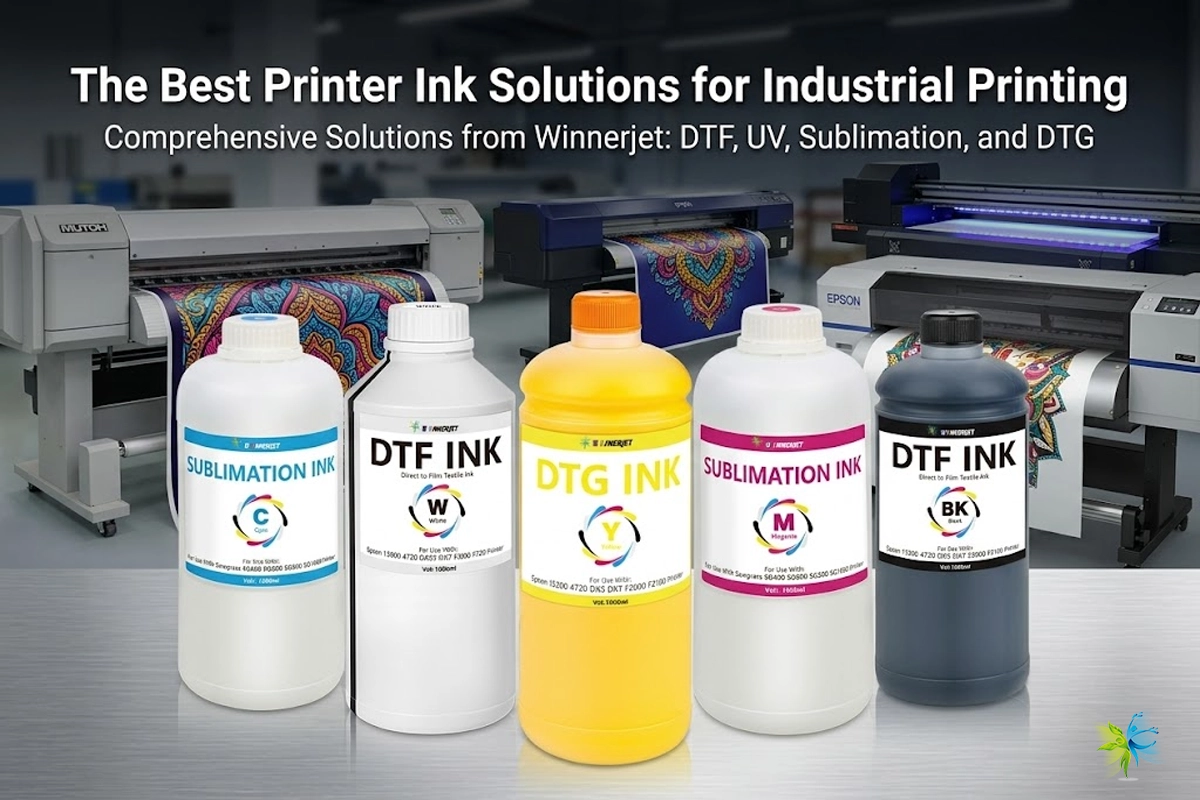
At Winnerjet, our DTF inks are developed with controlled pigment particle size and multi-stage filtration to ensure nozzle safety and long-term printing stability. Our formulations are tested on Epson-based DTF systems similar to the Procolored K13 Lite to ensure compatibility, smooth white ink circulation, and reliable transfer performance.
Can You Use Third-Party Ink in Procolored K13 Lite?
Yes — third-party ink can be used in the Procolored K13 Lite, but compatibility depends on formulation quality rather than brand name.
The K13 Lite does not require a proprietary chip-controlled ink system. However, because it is built on an Epson-based DTF platform, it demands ink that matches the physical and chemical characteristics required by Epson micro-piezo technology.
High-quality third-party DTF ink that meets the following conditions can work safely:
- Designed specifically for Epson DTF systems
- Proper viscosity range for stable droplet formation
- Fine pigment particle size to prevent nozzle blockage
- Stable white ink with anti-settling performance
- Multi-stage filtration (typically 0.2–1 micron level)
The real risk is not “third-party ink” itself — it is low-grade or improperly filtered ink. Inferior ink can cause white ink sediment buildup, inconsistent color output, and long-term printhead damage.
Professional ink manufacturers with controlled production processes and strict filtration standards can provide compatible solutions without compromising printer performance.
How to Safely Switch Ink in Procolored K13 Lite
If you decide to switch ink brands in your Procolored K13 Lite, proper transition procedures are essential to protect the printhead and maintain stable output.
1. Confirm Printhead Model
Most K13 Lite systems are based on Epson L1800 or similar micro-piezo printheads. Always ensure the new ink is specifically formulated for Epson DTF systems before making any change.
2. Do Not Mix Different Ink Formulations
Mixing different DTF ink brands inside the ink tank or dampers can cause chemical imbalance, pigment aggregation, or white ink instability. Before switching, it is recommended to fully flush the ink system using a compatible cleaning solution.
3. Clean the Ink System Properly
Perform a controlled ink flushing process:
- Drain existing ink
- Flush lines and dampers
- Run cleaning cycles
- Test nozzle check before refilling with new ink
Skipping this step increases the risk of clogging.
4. Test Before Full Production
After switching ink:
- Print a small test batch
- Check white opacity
- Perform wash testing
- Observe nozzle stability over 24–48 hours
A professional DTF ink should provide stable white circulation, smooth gradients, and consistent transfer adhesion without excessive cleaning cycles.
Careful switching reduces risk and ensures that your Procolored K13 Lite continues operating efficiently with compatible third-party ink.
Professional Recommendation for Procolored K13 Lite Users
When selecting ink for your Procolored K13 Lite, the most important factor is not whether the ink is “original” or “third-party” — it is whether the ink is properly engineered for Epson-based DTF systems.
A reliable DTF ink should provide:
- Stable white ink suspension with strong opacity
- Controlled viscosity for smooth Epson droplet formation
- Fine pigment dispersion to reduce nozzle clogging
- Consistent color performance and wash durability
- Strict filtration to protect the printhead over long-term use
For professional users and production environments, ink quality directly impacts maintenance frequency, print consistency, and equipment lifespan.
At Winnerjet, we specialize in developing water-based DTF pigment inks engineered for Epson printhead platforms such as L1800 and XP600 systems. Our inks are produced with controlled particle size technology and multi-stage filtration processes to ensure nozzle safety, stable white circulation, and reliable transfer performance.
If you are unsure whether a specific ink is compatible with your Procolored K13 Lite, consulting a professional ink manufacturer and verifying technical specifications before switching is always recommended.
FAQ – Procolored K13 Lite Ink Compatibility
1. Can I use sublimation ink in Procolored K13 Lite?
No. Sublimation ink is chemically different and requires polyester fabric and heat activation. It is not compatible with DTF printing systems.
2. Can I mix two different DTF ink brands?
It is not recommended. Different formulations may react chemically, causing pigment aggregation, white ink instability, or clogging. Always flush the system before switching brands.
3. Will third-party ink damage my printhead?
High-quality third-party DTF ink formulated for Epson systems will not damage the printhead. However, low-grade or poorly filtered ink may increase clogging risk and shorten printhead lifespan.
4. Why is white ink more likely to clog?
White DTF ink contains titanium dioxide, which is heavier than color pigments and tends to settle. Proper anti-settling formulation and regular agitation are essential to maintain stability.
5. How can I verify ink compatibility before purchasing?
Confirm:
- It is water-based DTF pigment ink
- It is designed for Epson micro-piezo printheads
- The manufacturer provides viscosity and filtration specifications
- The ink has been tested on similar Epson-based DTF platforms