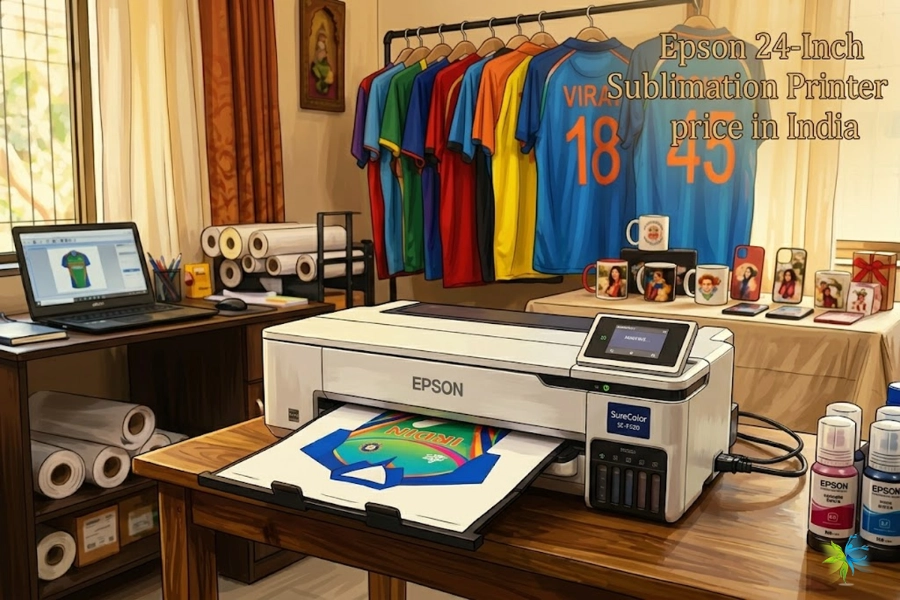
Introduction to DTF Printing
The DTF printing process begins with a digital image being printed onto a transfer film. Then, the picture is printed along with a layer of adhesive powder and placed on the fabric while the heat press is used to apply heat. Finally, the curing process takes place where prints are guaranteed to be vivid and long-lasting. The printer, heat press, DTF film, and adhesive powder are the main components needed for DTF print.
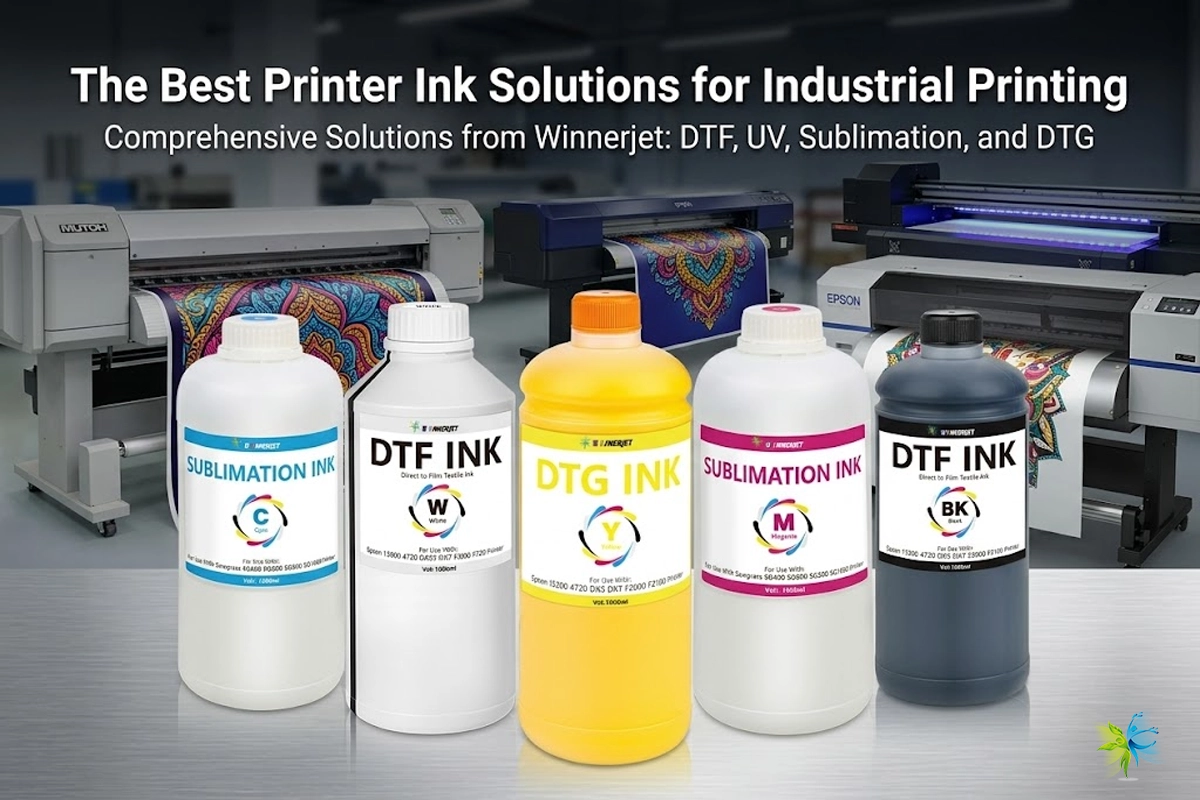
WINNERJET has been providing DTF products such as their one-of-a-kind DTF inks. Visit WINNERJET for more information.
Visit – https://www.winnerjet.com/
How DTF Printing Works: A Step-by-Step Breakdown
Similar to DTG, DTF is another method of custom printing where decals are printed onto a unique transfer film and then applied to the fabric. As opposed to screen printing or DTG, DTF can print on many different materials such as polyester, cotton, and many other non-traditional fabrics. It is rapidly gaining popularity due to the high quality and versatility it has in custom printing.
Essential DTF Printing Equipment and Supplies
Simply changing the heat press settings along with picking the correct adhesive powder guarantees a successful transfer. Printers that do not incorporate DTF processes will not be compatible with the film targeting clearer and sharper prints. As for the most suitable setting for the heat press along with the glue powder, it is crucial for the best DTF results.
Advantages and Disadvantages of DTF Printing
DTF printing can print custom designs on many types of fabric while also providing bright colors alongside high levels of durability. Nonetheless, the process can be tedious and expensive as compared to other methods. In addition, additional technology is needed, raising the initial cost even further. Still, these results are extremely detailed and long-lasting.
Comparison: DTF vs. Other Printing Techniques
The most amazing feature of DTF printing is it can be used on malevolent-like garments. Unlike screen printing, setup time and screens are not obligatory and no extra time is wasted for those preparations. In contrast to DTG, DTF has a much broader application. Non-polyester fabrics are far simpler than sublimation.
Best Fabrics and Surfaces for DTF Printing
DTF printing technology offers solutions for cotton, cotton blends, polyester, leather, canvas, and more. It is ideal in many fields such as clothing, accessories, and novelty promotional items. DTF is in great demand for custom products in different industries as it can be used for non-traditional materials like leather and canvas.
Preparing Your Designs for DTF Printing
For high-quality DTF printing the design has to be done in high resolution and saved as PNG or TIFF. Accurate color management ensures the reproduction of original prints. Always ensure proper DTF setting by not using images of low DPI and low-quality file formats.
Common Mistakes and How to Avoid Them
Improper heat settings, film adhesion difficulties, and ink smudges can occur, but if the proper guidelines are followed the results will always remain consistent. Appropriate and regular printer maintenance, alongside precise heat press pressure as well as powder application, is crucial to ensuring high-quality outcomes. Easily fixing these basic errors will enhance the overall transfer quality.
Tips for Achieving High-Quality DTF Prints
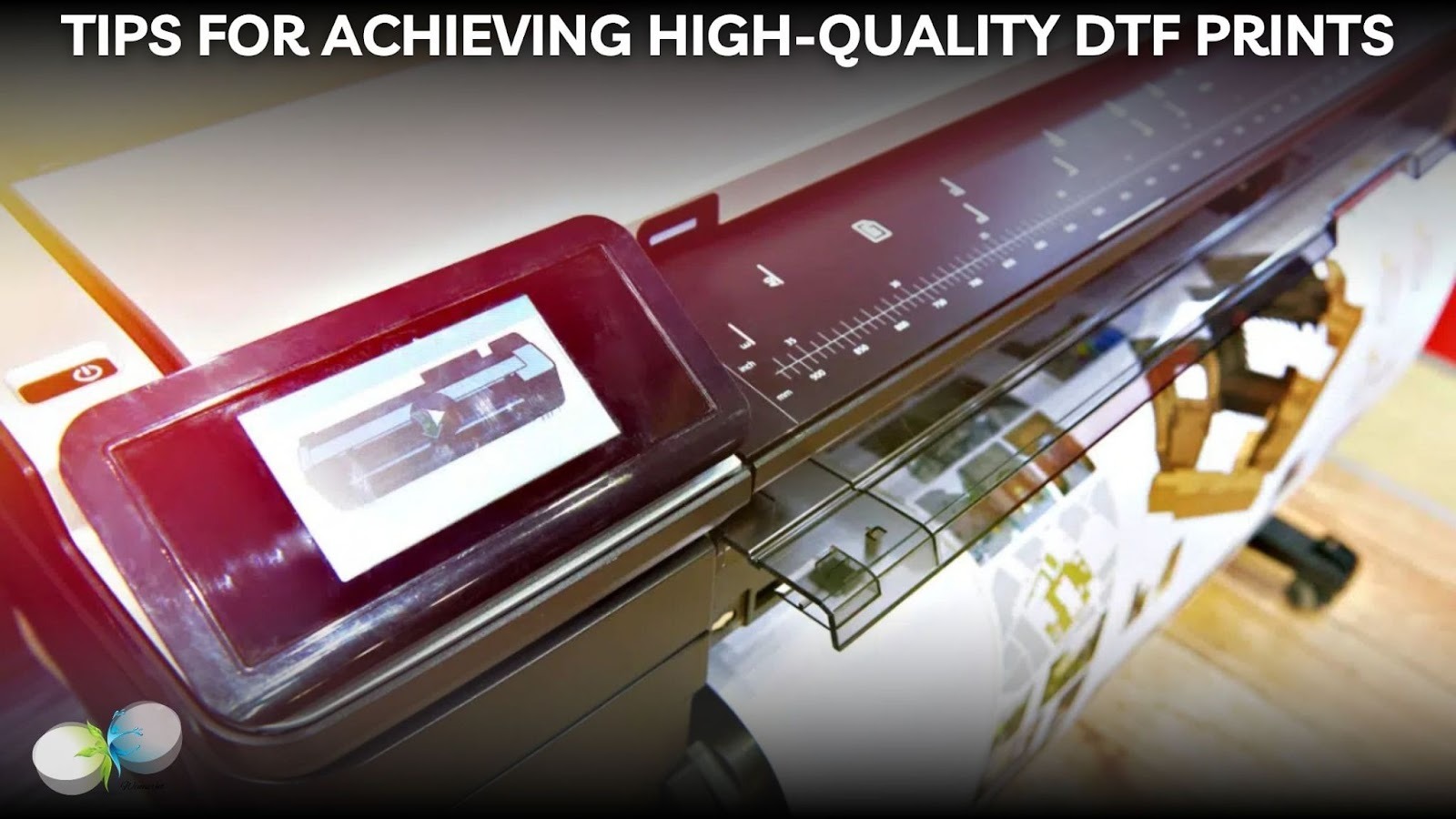
Make sure that you have done all the necessary steps to achieve perfect DTF prints by adjusting printer settings and using high-quality adhesive powder along with precise heat press techniques. Always ensure the fabric is prepped perfectly and be careful in how you store and handle your materials to avoid harm upon them. A craftsman’s print quality consistency is directly related to how well he preserves his tools.
Applications of DTF Printing
DTF printing is used for custom apparel, sportswear home textiles, and promotional products. This technology makes it easier to produce unique gifts, clothing, and as well as corporate merchandise because of its capability to print on different surfaces. The flexibility of DTF is being applied nowadays to different trades to improve custom print offerings.
Scaling Up: Turning DTF Printing into a Business
A DTF printing business owner must have a solid grasp of equipment costs, the state of the market, and acceptable profit margins. Printers, heat presses, and materials are all needed for DTF printing which serves as an initial investment that can hurt while saving, but with a good business and marketing plan, it serves as an inexhaustible source of profit.
Troubleshooting DTF Printing Issues
The most common problems in DTF printing are the ink, which does not adhere to the film, the fabric that does not provide sufficient adhesion, and the most serious one, color fading. Optimal print results stem from proper maintenance of the printer and adjusting the settings. Ensure quality materials are used with the proper heat press pressure for the best result.
Eco-Friendly and Sustainable DTF Printing Practices
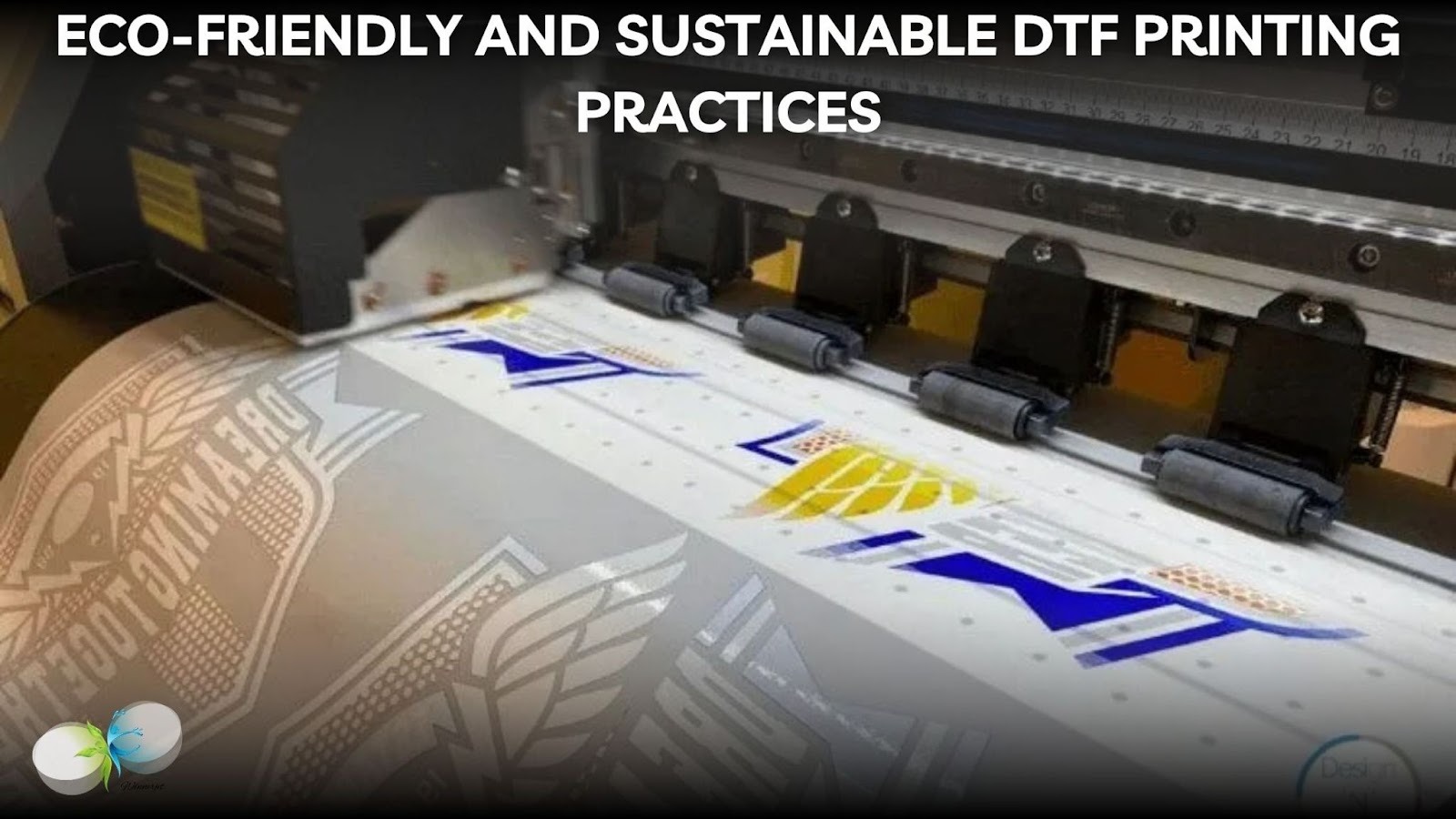
Reduction of waste and the use of eco-friendly inks contribute to making DTF printing more eco-friendly. Also, DTF films and adhesives can be made from biodegradable or recyclable materials. Sustainably disposing of the used materials helps in reducing the negative effects on the environment while ascertaining sustainable printing.
Future Trends in DTF Printing
Sustainability is fostered with eco-friendly DTF solutions. Along with the textiles, the growing technology has started venturing into nontraditional materials which allows for new markets to be explored. With these new technological advancements, DTF printing is more efficient and offers a previously unmet level of print quality.
Summary: Why DTF Printing is a Game Changer
For changeable designs on a wide range of materials, DTF is regarded as a cost-effective method. With the industry expanding, the ability to print on both light and dark fabrics with stunning detail makes DTF prints rapidly rising in popularity.
Frequently Asked Questions (FAQs)
How long do DTF prints last?
If properly and carefully applied and maintained, DTF prints will not crack, peel, or fade and can last for many years.
Can DTF prints be applied to any fabric?
With reinforced versatility, DTF prints can be used on a variety of fabrics including leather, cotton, polyester, and many more.
Is DTF printing better than DTG?
DTF possesses certain perks when compared to other methods. These include fabric variety, lower production time, and the brightest prints alongside DTG’s fabric restrictions.
What is the best printer for DTF printing?
Among the best printers for DTF printing are Epson models like the Epson L1800 which has amazing compatibility and superb print quality.
Do DTF prints crack or fade over time?
With proper care and application, DTF prints never fade or crack over time, resulting in long-lasting, vibrant designs.
Can I do DTF printing at home?
Indeed, DTF printing can be done at home as long as you have the right equipment such as a working printer, a heat press, and DTF film.
What is the best heat press temperature for DTF transfers?
The most effective temperature for heat press machines when doing DTF transfers is in most cases between 320°F to 330°F with medium pressure for optimum results.