If you’re new to sublimation printing, you might wonder:
“ Can a sublimation printer print on regular paper??”
The quick answer is:
✅ You can use regular paper for test prints
❌ But it won’t work for actual heat transfers
In this guide, you’ll learn what really happens, why paper matters, and what to use instead.
🔹 What happens if you use regular paper for sublimation?
Regular copy paper isn’t made for sublimation ink. Here’s what you can expect:
- Ink soaks into the paper instead of sitting on top
- Colors look dull or faded
- No proper release during heat pressing
- Final transfer won’t show correctly or at all
- Material and ink get wasted
So while printing may look okay on paper, it won’t transfer well to shirts, mugs, or tumblers.
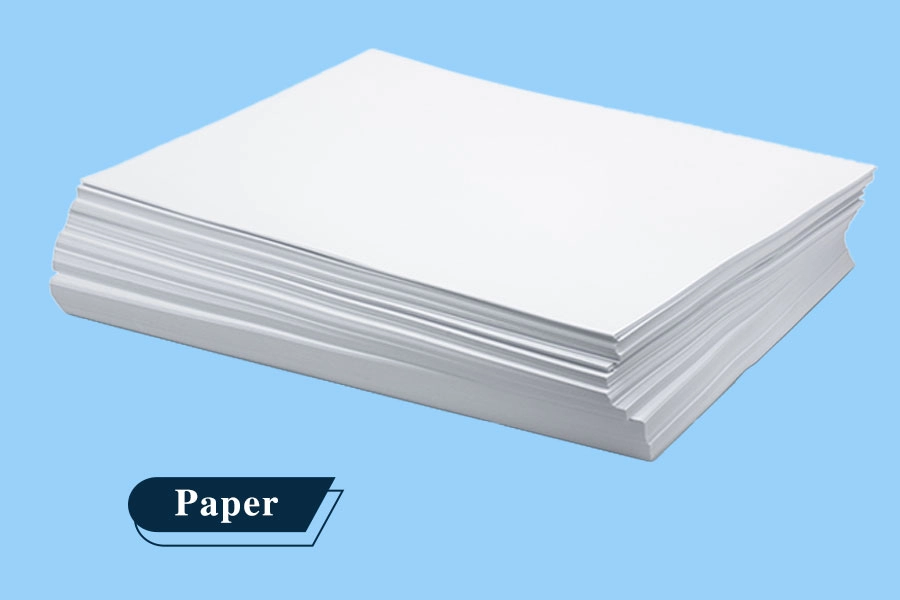
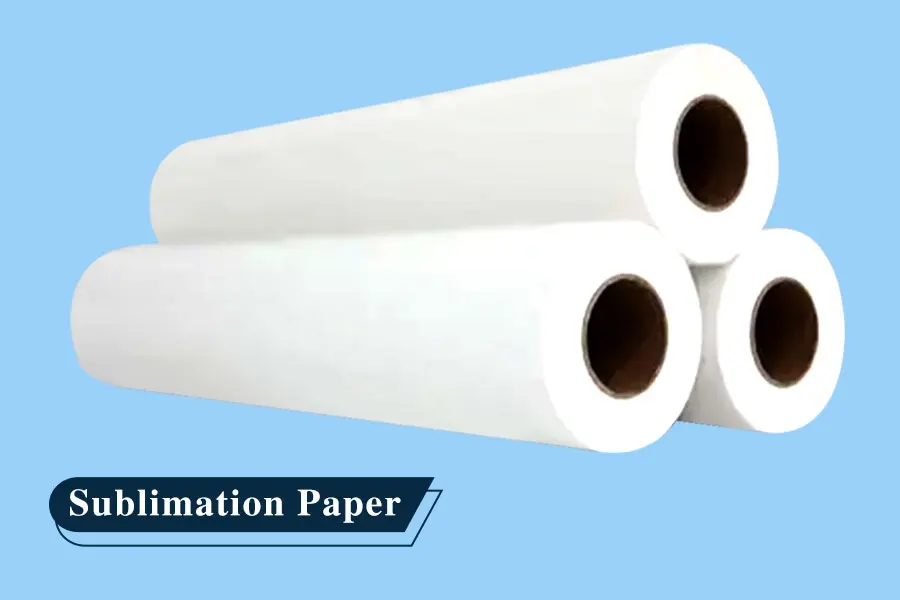
🔹 Sublimation Paper vs. Regular Paper: What’s the Difference?
| Feature | Regular Paper | Sublimation Paper |
|---|---|---|
| Surface Coating | None | Heat-release coating |
| Ink Absorption | High | Controlled |
| Transfer Quality | Low | Vibrant and accurate |
| Heat Performance | Poor | Designed for pressing |
Why it matters:
Sublimation paper holds the ink on the surface and releases it under heat, while regular paper traps the ink inside—making transfers weak or invisible.
🔹 Can You Use Regular Paper for Test Prints?
✅ Yes, regular paper is fine for:
- Checking layout and image size
- Testing color placement
- Previewing prints before final use
❌ But don’t use it for:
- Heat transfers
- Orders or production batches
- Final designs for customers
- Hard or soft substrates
🔹 Why Sublimation Paper Gives Better Results
Here’s what sublimation paper does that regular paper can’t:
- Releases more ink onto the product
- Keeps colors bright and sharp
- Prevents ghosting and bleeding
- Works with fabric, metal, ceramics, and more
- Handles high heat during pressing
If you want professional-quality transfers, the right paper is essential.
Why it matters:
Sublimation paper holds the ink on the surface and releases it under heat, while regular paper traps the ink inside—making transfers weak or invisible.
🔹 When to Avoid Regular Paper Completely
Skip regular paper if you’re printing for:
- Shirts, hoodies, socks, or tote bags
- Mugs, tumblers, or phone cases
- Business clients or customized products
- Full-color or detailed prints
Trying to transfer from regular paper will only waste time, ink, and blanks.
🔹 Winnerjet Tip: Use the Right Ink & Paper Together
Great results come from pairing quality sublimation ink with proper sublimation paper.
Winnerjet sublimation ink offers:
- Smooth ink flow
- Bright color output
- High transfer efficiency
- Compatibility with Epson sublimation printers
When matched with sublimation paper, your final prints are sharp, clean, and long-lasting.

🎯 Conclusion & CTA
You can use sublimation ink on regular paper—but only for test printing and layout checks. For real transfers, sublimation paper is the only way to get vivid colors, clean lines, and proper ink release.
👉 📩 Request Free Winnerjet Sublimation Paper & Ink Samples to see the difference in your transfers.
🙋 FAQs
Can I transfer prints made on regular paper?
No. The ink won’t release properly during pressing, so the design won’t show well.
Will sublimation ink dry correctly on normal paper?
It may dry, but the ink absorbs into the paper instead of staying on the surface.
Can I use photo paper instead?
Photo paper isn’t made for heat transfer and may melt or stain during pressing.
What happens if I heat-press regular paper?
The ink will stay in the paper instead of transferring to the material.
What paper works best with Winnerjet sublimation ink?
Use coated sublimation paper for the best color and transfer quality.
Is sublimation ink the same as regular inkjet ink for paper?
No. Sublimation ink uses solid dye particles that only “activate” under high heat ($180^{\circ}\text{C}+$ ). Regular inkjet ink (dye or pigment) is optimized for instant absorption and sharp text on paper. Using sublimation ink for daily tasks can also increase the risk of printhead clogging over time.