If you’re thinking about printing custom t-shirts or other clothes, you may have heard of DTF and DTG ink. At first, they sound similar, but they work in different ways and are made for different printing methods.
In this blog, we’ll explain the main differences between these two inks in a way that’s easy to understand. Whether you’re starting a small business or just printing for fun, this guide will help you choose the right option.
🛒DTF ink vs DTG ink
DTF inks achieve universal compatibility and vibrant colors through transfer film, while DTG inks are directly printed onto cotton fabrics to pursue ultimate breathability and feel.
🖨 What Is DTF Ink?
DTF stands for Direct to Film. Here’s how it works:
- You print your design on a special film using DTF ink.
- A powder is added to the print to help it stick.
- You heat the film so the powder melts and sets.
- Then, you press the film onto your shirt and peel it off.
DTF ink works on many types of fabric, like cotton, polyester, and blends, making it great for different clothing items.
👕 What Is DTG Ink?
DTG ink stands for direct to garment ink. This method prints your design straight onto the fabric, just like a regular paper printer.
- It works best on cotton fabrics, especially light-colored ones.
- For dark shirts, a special spray (called pre-treatment) is needed before printing.
- The ink sinks into the fabric, making the design soft and smooth.
DTG ink is also water-based but is more limited in the types of fabric it can be used on.
📊 Easy Comparison: DTF vs DTG Ink
| Feature | DTF Ink | DTG Ink |
|---|---|---|
| How It Prints | On film, then pressed on shirt | Directly printed on shirt |
| Works On | Cotton, polyester, blends, leather | Mostly cotton |
| Pre-Treatment Needed? | No | Yes (for dark fabrics) |
| Feel of the Print | Slightly raised but strong | Very soft, blends with fabric |
| Wash Durability | Very durable | Good (best on cotton) |
| Equipment Cost | Usually cheaper | More expensive |
| Maintenance | Easier to care for | Needs regular cleaning |
| Good for Beginners? | ✅ Yes | ✅ Yes, but has more steps |
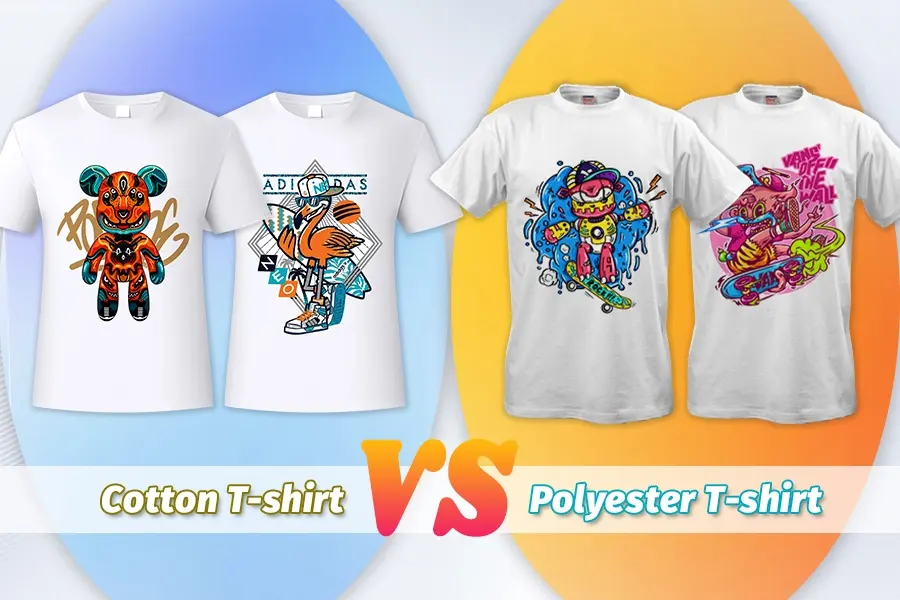
DTF Ink vs DTG Ink for Shirts Comparison
Still struggling to choose between DTF and DTG inks? Here is a comparison of how they perform on T-shirts, covering four key aspects:
| Factor | DTF Ink | DTG Ink |
|---|---|---|
| Stretchability | Highly elastic; stretches with fabric without cracking. | Moderate; may crack if over-stretched. |
| Washability | Excellent; high resistance to fading or peeling. | Good; requires careful washing to prevent gradual fading. |
| Hand Feel | Smooth, plastic-like texture on top of the shirt. | Ultra-soft and breathable; blends into fibers. |
| Fabrics | Universal (Cotton, Polyester, Nylon, Blends). | Limited (Best for 100% Cotton; poor on Polyester). |
If you seek the premium, soft feel of cotton garments, high-quality ink designed for DTG printers is the best choice; however, if you need versatile and durable prints on a wide range of fabrics—especially polyester—DTF ink is the ideal option.
Cost Difference Between DTF And DTG Ink
When it comes to the bottom line, DTF printing generally offers a lower total cost of ownership. While DTG ink itself can be expensive and requires significant amounts of “white ink” as a base for dark garments, DTF ink consumption is more efficient.
Furthermore, DTG requires expensive pre-treatment liquids and high-end machinery to achieve professional results. In contrast, DTF’s ability to gang-run multiple designs on a single film roll significantly reduces material waste and labor costs, making it the more “budget-friendly” choice for growing print shops.
🎯 Which One Should You Choose?
Here’s how to decide:
✅ Go with DTF Ink if:
- You want to print on many fabric types, not just cotton.
- You need prints that last a long time and look bold.
- You want an easier setup and less maintenance.
- You like the idea of printing and storing transfers for later use.
✅ Go with DTG Ink if:
- You plan to print mainly on 100% cotton shirts.
- You want prints that feel of,t like part of the fabric.
- You don’t mind pretreating your shirts before printing.
- You want great results on light-colored garments.
🧠 Final Thoughts
Both DTF and DTG inks can make great-looking shirts, but they have different strengths.
DTF ink is more flexible and easier for beginners. DTG ink offers high-quality results on cotton but takes more effort and care.
Your choice depends on what you want to print, the fabrics you use, and how much time or money you’re willing to spend.
✅ Want to Try DTF Printing?
If you’re new to DTF, check out Winnerjet’s reliable DTF ink and DTF film — made for bright colors, strong results, and smooth transfers.
👉 Request a Free Sample to find the right solution for your custom printing needs.
❓FAQs
Q1: Can I use DTG ink for DTF printing?
No. DTG ink doesn’t work well with DTF film. It’s made to print directly on fabric.
Q2: Is DTF better than DTG?
Not always. DTF is more flexible, but DTG is great for cotton shirts with a soft finish.
Q3: Which is cheaper for beginners?
DTF is often cheaper and easier to start with. The equipment needs less maintenance, too.
Q4: Which one lasts longer in the wash?
DTF prints are usually more durable, especially on mixed or synthetic fabrics.
Q5: Do I need a special printer for both?
Yes. DTF and DTG each need their type of printer made for that process.