DTF ink is not the same as eco-solvent ink. DTF ink is a water-based pigment ink formulated for textile heat transfer via PET film and powder adhesive. Eco-solvent ink uses mild solvent carriers to bond directly with non-porous media like vinyl and outdoor signage. They are chemically incompatible and require different printheads and curing workflows.
This guide explains how they differ, which one suits your business best, and why professional users prefer Winnerjet DTF inks for garment printing.
💡 What Makes DTF Ink and Eco-Solvent Ink Different?
Although both inks are used for transferring images onto various surfaces, their composition, printing methods, and applications differ.
Let’s take a closer look at what sets them apart.


🧴 Ink Composition & Base Material
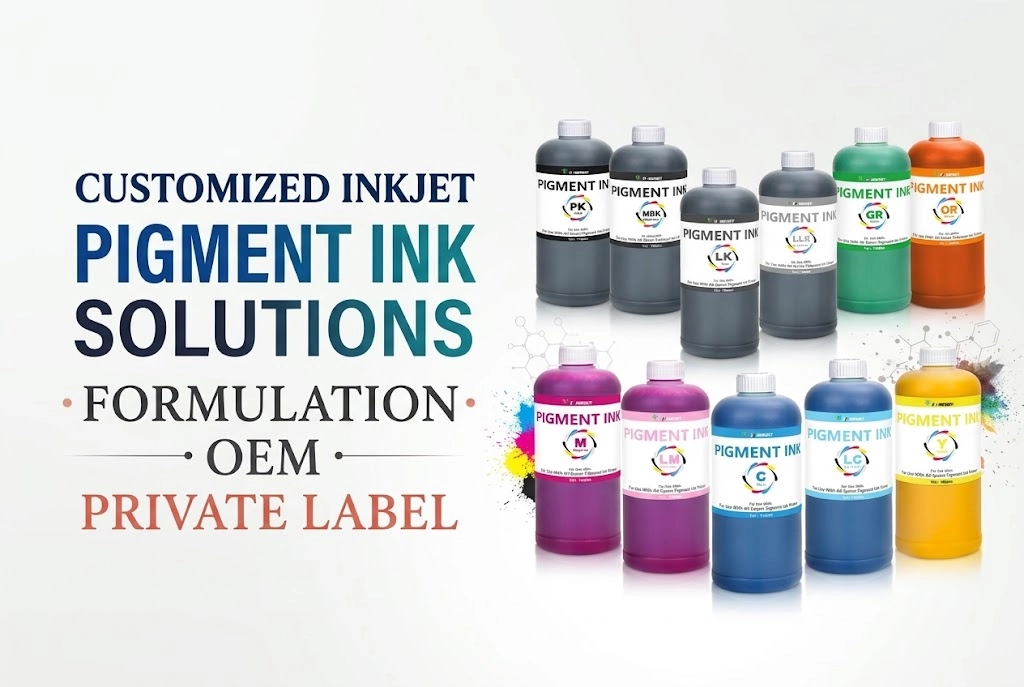
DTF ink is a water-based pigment ink designed for use with PET film. It contains fine pigments that stay stable during heating and fusing, creating strong adhesion on fabric fibers.
Eco-solvent ink, by contrast, is solvent-based, meaning it uses chemical solvents instead of water. This allows it to print directly on non-porous materials like vinyl, banners, and hard substrates.
⚙️ Printing Process & Equipment
DTF printing involves several steps — printing on PET film, sprinkling hot melt powder, curing, and then transferring the design onto fabric using a heat press.
Eco-solvent printing is a direct process: it sprays ink directly onto the final surface, and the solvent helps the pigment bond instantly without additional film or powder.
🎨 Compatible Media
DTF is perfect for textiles like cotton, polyester, or blended fabrics — giving soft, flexible prints that don’t crack or peel.
Eco-solvent ink, on the other hand, is commonly used for advertising materials, car wraps, wall graphics, and coated substrates where waterproofing is critical.
⚖️ Key Differences Between Eco Solvent vs DTF
While they both produce vivid results, their performance and business applications vary significantly.
🧵 Application Scenarios
- DTF printing is ideal for apparel, custom T-shirts, tote bags, and sportswear.
- Eco-solvent printing shines in signage, stickers, and outdoor banners.
Each serves a unique niche — fabric vs. hard-surface decoration.


💧 Durability & Wash Resistance
DTF prints bond with textile fibers and withstand multiple washing cycles without fading.
Eco-solvent prints excel in outdoor weather resistance, resisting UV and rain exposure for months without loss of color.
💰 Cost & Maintenance
DTF printers require powder curing equipment and film handling, but ink costs are lower overall.
Eco-solvent printers tend to have higher ink prices and require regular nozzle cleaning due to solvent evaporation.
🧠 Learning Curve & Production Efficiency
DTF offers flexibility for small batch customization, while eco-solvent setups suit large-format, high-volume signage businesses.
DTF’s process is slightly more complex but provides unmatched versatility for garment decorators.
✅ Quick Reference: Eco solvent vs DTF
| Comparison Factor | DTF Printing | Eco-Solvent Printing |
|---|---|---|
| Substrates | Primarily Textiles (Cotton, Polyester, Blends, Canvas) | Vinyl, Banners, Car Wraps, Wallpaper, Coated Fabrics |
| Process | Print to Film -> Powdering -> Curing -> Heat Transfer | Direct Print to Media -> Drying/Curing |
| Durability & Feel | Soft feel, excellent stretchability, and wash resistance | Slightly stiffer, superior outdoor weather & UV resistance |
| Ink Type | Water-based pigment ink (Eco-friendly, Low VOC) | Solvent-based (Low odor, high durability) |
| Main Applications | T-shirts, hoodies, sportswear, personalized apparel | Outdoor signage, decals, vehicle graphics, displays |
| Cost Components | Ink, Hot-melt Powder, PET Film | Ink, Media Rolls (e.g., Vinyl) |
🎨 Explore Winnerjet’s high-quality DTF Inks and Eco-Solvent Inks for your specific business needs.
💌 Sustainability in the Printing Industry: Environmental Impact and VOCs
As the printing industry transitions towards sustainability, choosing between water-based DTF inks and low-VOC eco-solvent inks has become a priority for environmentally conscious businesses.
Water-based DTF Inks: Engineered as an eco-friendly dtf ink, our Winnerjet formulation combines vibrant colors, quick drying performance, and lasting durability with superior wash resistance. Primarily water-based and odourless, our ink significantly reduces harmful chemical emissions in the workspace, making it a safer, high-performance choice for indoor garment printing environments.
Low-VOC Eco-Solvent Inks: Whilst traditional solvent-based inks are strong-smelling and corrosive, our low-VOC (volatile organic compounds) eco-solvent formulations eliminate toxic fumes whilst delivering the exceptional durability required for outdoor advertising, ensuring a healthy working environment for operators.
At Winnerjet, we provide eco-friendly printing solutions that comply with international safety standards, helping you to minimise your environmental impact whilst delivering high-quality results.

🧭 Which One Should You Choose for Your Business?
The right ink depends entirely on your target market and product line.
👕 For Apparel Printing Factories
If your main business involves printing on cotton or polyester garments, DTF is the better choice. It delivers excellent color reproduction and a soft hand-feel that customers love.
🪵 For Signage or Hard Material Printing
If you specialize in posters, stickers, or vinyl wraps, eco-solvent ink offers long-lasting, weatherproof results and easy post-processing.
🔍 When to Combine Both Technologies
Some businesses use DTF for fabric and eco-solvent for promotional materials, combining the strengths of both to serve a wider range of clients.
If your production setup allows it, this hybrid model can help you scale faster and meet diverse orders.
🏆 Why Choose Winnerjet DTF Ink for Reliable Production
At Winnerjet, we’ve refined our DTF ink formula to ensure consistent performance and brilliant results — even in demanding production environments.
✅ Stable color consistency for repeat orders
✅ Low printhead clogging rate for smooth operation
✅ Excellent adhesion and washing durability
✅ Epson printhead compatibility for effortless setup
✅ Factory-direct quality control for reliability you can trust
Which Ink Fits Your Workflow?
Whether you need eco-friendly, soft-touch transfers for apparel or rugged, weather-resistant prints for outdoor advertising, choosing the right ink chemistry makes all the difference:
For Garments & Textiles: Choose Winnerjet DTF Inks for high-stretch prints, vibrant color payoff, superior wash durability, and zero-weeding production.
For Signs & Outdoor Media: Choose Winnerjet Low-VOC Eco-Solvent Inks for superior UV resistance, direct vinyl bonding, and reliable all-weather performance.
Get Factory-Direct Support & Free Ink Samples
Tell us your printer model and printhead type (e.g., Epson i3200 / XP600), and our technical team will recommend the ideal ink formulation for your shop. Contact Us
📘 FAQs about DTF Ink vs Eco-Solvent Ink
Can I convert an eco-solvent printer to use DTF ink?
No. The ink chemistry and base solvents differ completely, so using DTF ink in a solvent printer will damage the printhead.
Can I apply DTF powder onto eco-solvent prints?
No. Eco-solvent ink dries rapidly via solvent evaporation and cannot form the necessary wet liquid film required for DTF adhesive powder to adhere evenly before heat curing.
Is DTF printing cheaper than eco-solvent for T-shirts?
Yes. Printable HTV involves high material costs and significant labor hours spent weeding and masking. DTF utilizes efficient gang-sheet layouts with minimal raw material waste and zero manual weeding costs.
What is the main difference between DTF and UV DTF?
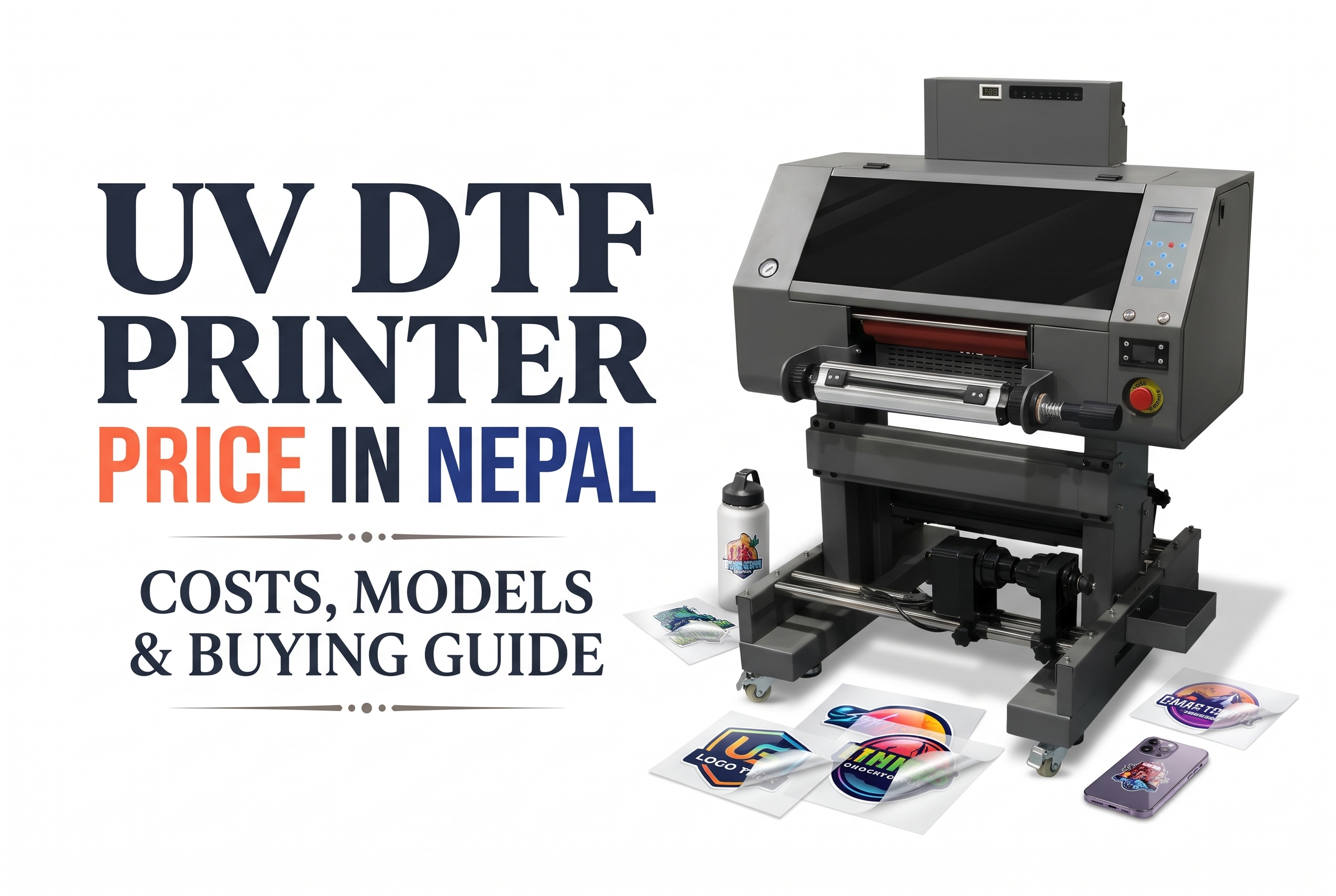
Textile DTF uses water-based ink and TPU powder to decorate apparel via a heat press. UV DTF uses UV-cured inks and cold lamination to create peel-and-stick labels for rigid products without a heat press. (Learn more: Read our complete guide on DTF printer vs UV DTF printer)
Which ink is safer and more eco-friendly?
Quality water-based DTF inks (such as Winnerjet DTF Inks) contain ultra-low VOCs, are odorless, and are significantly safer for indoor and home workshops. In contrast, eco-solvent inks emit mild chemical fumes and require continuous ventilation. Curious about pigment ink safety and chemical composition? Read our complete breakdown on whether pigment ink is toxic