If you’re comparing printing methods or choosing ink for your business, you might wonder: Is DTF ink the same as screen printing ink? The short answer is no — they’re completely different in composition, application, and usage. But understanding how they differ helps you avoid expensive mistakes and choose the right solution for production.
Let’s break it down clearly and practically.
🧵 Understanding the Basics
Before comparing the two, it’s important to understand what each ink is designed to do.
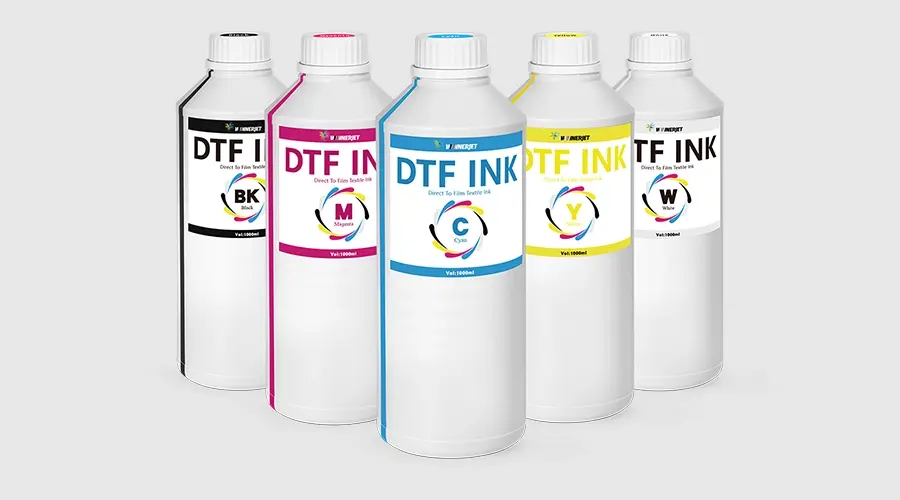
✔️ What Is DTF Ink?
DTF (Direct-to-Film) ink is a water-based pigment ink used with DTF printers. It prints designs onto PET film, is coated with hot-melt adhesive powder, then transferred to fabric using a heat press. It’s commonly used for:
Cotton, polyester, and blends
Full-color prints and detailed graphics
On-demand customization and low to mid-volume orders
✔️ What Is Screen Printing Ink?
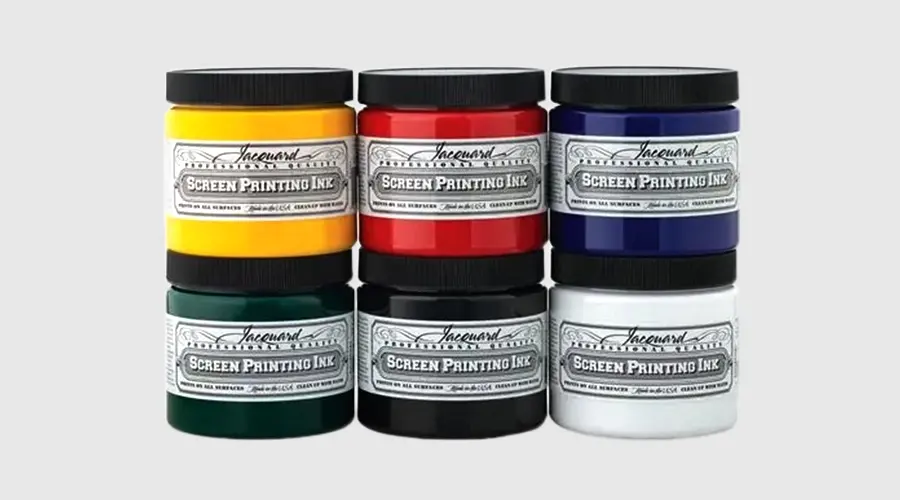
Screen printing ink is applied through mesh screens onto fabric or other surfaces. There are several formulations:
Plastisol ink – PVC-based, known for bold color and durability
Water-based ink – Softer feel and eco-friendlier
Discharge ink – Removes dye and replaces it with pigment
Curing typically requires a conveyor dryer, flash dryer, or heat press at high temperatures.
🔄 Key Differences Between DTF Ink and Screen Printing Ink
Although both are used for textile printing, they perform and behave very differently.
🔸 Application Process
DTF Ink is digitally printed onto film, powdered, heated, and pressed.
Screen Printing Ink is manually or automatically pushed through screens onto garments.
🔸 Fabric Compatibility
DTF Ink works with cotton, blends, nylon, polyester, denim, and even dark fabrics.
Screen Printing Ink is best suited for cotton and blends, but requires different inks for specialty materials.
🔸 Ink Composition
DTF ink = water-based pigment + binder
Screen printing ink = plastisol, water-based, discharge, or hybrid formulations
They are not interchangeable and must be used with their intended systems.
🔸 Durability & Finish
DTF offers flexible, smooth prints with vibrant color and strong wash resistance.
Screen Printing gives a textured or matte finish, depending on ink type, and excels in long-term durability for bulk production.
🆚 When to Use Each Ink Type
Both inks work well—but only in the right settings.
🖨️ When DTF Ink Is the Better Fit
Short runs or custom orders
Multi-color designs with gradients
Logo printing and branding
Fast turnaround needs
🧶 When Screen Printing Ink Is Ideal
Large production runs
Simple or single-color graphics
Flat prints like teamwear and uniforms
Cost-efficient bulk manufacturing
⚠️ Can You Swap or Mix These Inks?
Absolutely not — and here’s why:
DTF ink cannot be used in screen printing machines
Screen printing ink cannot run through DTF printers.
Mixing them damages printheads, clogs systems, and ruins garments.
Curing methods and temperatures are incompatible.
If you’re using digital equipment, stick with DTF ink. If you’re using mesh screens, stay with traditional screen printing ink.
🏁 Which One Is Right for Your Business?
📌 Choose DTF If:
You take custom or low-volume orders.
You print on various fabric types.
You want detailed artwork with minimal setup.
You’re starting or scaling a small to mid-size business
📌 Choose Screen Printing If:
You handle large batch production.
You want lower unit costs for bulk printing.
Your designs are simple with limited colors.
You already own screen printing equipment.
Many apparel businesses even use both methods for different purposes.
🏅 Why Businesses Choose Winnerjet for DTF Ink
If DTF is part of your production—or you’re planning to upgrade—high-quality ink makes all the difference. Winnerjet DTF ink supports printing businesses, distributors, and factories with:
✅ Stable color performance
✅ Smooth ink flow to protect printheads
✅ Compatibility with Epson, Ricoh, and other DTF printers
✅ Bulk supply and white labeling options
✅ Reliable support for startups and established manufacturers

📢 Need High-Quality DTF Ink for Your Production?
Whether you’re switching from screen printing or scaling your DTF operations, Winnerjet provides OEM, wholesale, and custom solutions.
Contact us today to get pricing, samples, or private label support.
❓FAQs (Always at the End)
Can I use screen printing ink in a DTF printer?
No. Screen printing ink is too thick and will clog printheads instantly.
What happens if I mix the two ink types?
You risk print failure, equipment damage, and irreversible color issues.
Which ink lasts longer on clothing?
Both are durable when cured correctly, but screen printing ink is often preferred for bulk apparel due to its thicker finish.
Is DTF printing replacing screen printing?
Not entirely. DTF is replacing small-batch screen printing, but screen printing remains dominant for high-volume production.
Can screen printing ink be heat pressed?
Only after it’s printed and partially cured, and even then, the process is not the same as DTF transfers.