DTF (Direct to Film) printing has become one of the hottest technologies in the custom apparel and textile industry. It’s praised for its ability to print on almost any fabric, including cotton, polyester, and blends—without needing pre-treatment.
But while DTF printing offers flexibility and stunning color results, it’s not without challenges.
Suppose you’re planning to invest in DTF printing or already run a small production setup. You absolutely need to know: What is DTF printing? In that case, it’s crucial to understand its potential disadvantages—and how to minimize them for better results and long-term machine performance. We also provide you with a comprehensive business operations guide for small and medium-sized enterprises looking to make money using DTF printers.
In particular, the disadvantages of DTF printing.
⚙️ Understanding DTF Printing and Its Growing Popularity
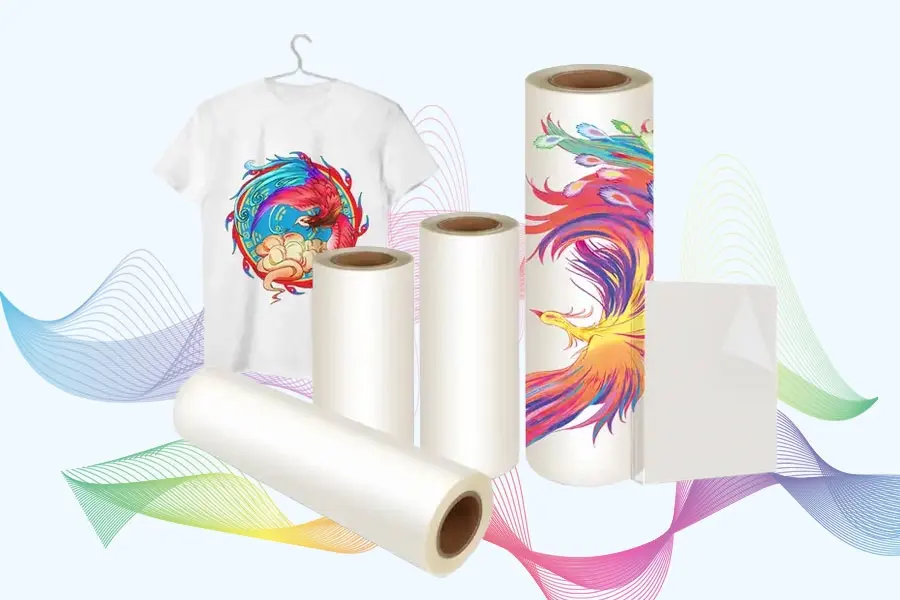
DTF printing transfers printed designs from a special PET film onto fabrics using adhesive powder and heat. It’s simple, versatile, and suitable for both small batches and mass production.
However, many first-time users are surprised by the maintenance, cost, and process complexity involved. Knowing these limitations helps you make smarter decisions and choose the right materials from the start.
The Main Disadvantages of Printing with a DTF Printer—and Practical Ways to Overcome Them.

⚠️ What Are The Disadvantages Of DTF Printing?
🧼 1. Maintenance and Printhead Clogging
One of the most common issues in DTF printing is printhead clogging.
DTF inks are pigment-based and thicker than dye or sublimation inks. When the printer remains idle, the ink can dry and block the nozzles.
How to prevent it:
- Run a short print daily to keep the ink circulating.
- Maintain stable humidity (40–60%) in your print area.
- Use low-viscosity, clog-resistant inks such as Winnerjet DTF Ink, specially formulated to reduce printhead blockages and downtime.

💰 2. Higher Consumable Costs
DTF printing requires multiple materials—PET film, hot melt adhesive powder, and DTF ink. When combined, these can make each print more expensive than sublimation or heat transfer vinyl.
How to reduce costs:
- Buy consumables in bulk directly from manufacturers like Winnerjet to lower unit prices.
- Avoid cheap inks and films, which often lead to reprints and waste.
- Optimize your curing time and temperature to save energy and materials.
💨 3. Slower Workflow and Curing Time
Unlike sublimation printing, which transfers instantly, DTF printing involves several steps: printing, powdering, curing, and then transferring.
This can slow down your workflow—especially for large batches.
Pro Tip:
Use automatic powder shakers and curing ovens to speed up production. Automating these steps can improve consistency and reduce manual errors.
🎨 4. Limited Fabric Breathability and Feel
DTF prints create a thin film layer on the surface of fabric. On light or breathable garments, this can result in a slightly thicker or less flexible texture compared to DTG or screen printing.
Improvement options:
- Choose matte or hot-peel DTF film for a softer hand-feel.
- Use high-quality adhesive powder that maintains flexibility after curing.
- Test different curing times to balance adhesion and texture.
🧺 5. Durability Issues Over Time
Does DTF peel or crack?
DTF transfers can fade, crack, or peel after multiple washes—especially if low-quality consumables are used or the curing process is uneven.
Solution:
- Use stable, premium consumables such as Winnerjet DTF Film and DTF Powder, known for strong wash durability and consistent adhesion.
- Follow proper curing parameters: 160°C (320°F) for 60–90 seconds typically delivers lasting results.

🔍 Is DTF Printing Worth It?
For businesses seeking an efficient, low-cost, and high-return printing solution, DTF (Direct-to-Film) is currently one of the most cost-effective investments on the market.There are four reasons for this:
- Compared to traditional sublimation (limited to light-colored polyester) or DTG (highly dependent on 100% cotton), DTF can be applied effectively to almost any fabric—including 100% cotton, dark-colored fabrics, polyester, nylon, canvas, and even leather. This enables you to handle a wider range of customer orders.
- No pre-treatment required; saves time and effort.
- Excellent wash fastness and vibrant colors.
- Ultra-low startup capital and high return on investment
| Pros | Cons |
|---|---|
| Fabric Versatility: Works on cotton, polyester, nylon, etc. |
Feel/Texture: Prints can feel slightly heavy or plastic-like. |
| No Pre-treatment Required: Saves time and labor costs. |
Breathability: Poor air permeability on large solid designs. |
| Vibrant Colors: Excellent stretchability and wash resistance. |
Maintenance: DTF printers require regular white ink stirring. |
💡 Practical Tips to Reduce These Drawbacks
Even with these disadvantages, DTF can perform excellently with proper care and materials. Here are some key best practices:
- Maintain your printer daily and perform regular nozzle checks.
- Store inks and films in cool, dry environments to prevent contamination.
- Use high-stability inks and moisture-resistant powders for better consistency.
- Monitor humidity and temperature during operation.
By combining good workflow management and reliable supplies, you can greatly reduce common DTF issues.
🏆 Why Professional-Grade Materials Matter
Many of the so-called “disadvantages” of DTF printing stem from using low-quality consumables. Cheap inks and films may save money upfront, but often lead to downtime, print defects, and short product life.
At Winnerjet, we design our DTF inks, powders, and films for professional use—offering excellent flowability, adhesion, and wash resistance. Our materials help you produce smoother prints, richer colors, and fewer reworks—maximizing your production efficiency.
✅ Conclusion
While DTF printing has a few challenges—like maintenance, cost, and curing time—these can easily be managed with the right workflow and materials.
By investing in reliable DTF consumables from Winnerjet, you’ll ensure smoother production, vivid colors, and lasting print quality.
🚀 Need Materials That Minimize DTF Problems?
Print with confidence using Winnerjet’s high-performance DTF inks and films.
Our products are designed to reduce clogging, cracking, and fading—so your prints look professional and last longer.
👉 Request Free Samples today and see how consistent quality makes a difference for your business.
❓ FAQs About DTF Printing
Does DTF printing require daily maintenance?
Yes. Regular use and cleaning prevent ink drying and nozzle clogging, especially in humid or dusty environments.
Why does my DTF print peel after washing?
It’s usually due to uneven curing or low-quality adhesive powder. Use trusted products and follow exact curing temperatures.
Can I use regular PET film for DTF?
No. Only DTF-coated PET film can properly bond with the adhesive powder and ink layer.
How can I make DTF prints last longer?
Use premium consumables, ensure even curing, and wash garments inside-out with mild detergent.
Is DTF printing worth the cost for small businesses?
Yes! Though the initial investment and consumable cost are higher, DTF’s flexibility and quality make it ideal for small to medium printing businesses.
What is the biggest disadvantage of DTF printing compared to screen printing?
The primary disadvantage is the “hand feel.” DTF transfers often feel like a thin layer of plastic on the garment, whereas screen printing inks sink into the fabric for a softer feel. However, you can improve this by using high-quality TPU powders and reducing the ink limit in your RIP software.