DTF printing is becoming more and more popular for making custom clothes. But is it the right choice for your business or hobby? In this blog, we’ll explain the main advantages and disadvantages of DTF printing in simple terms so you can decide if it’s a good fit for you.
✅ What Is DTF Printing?
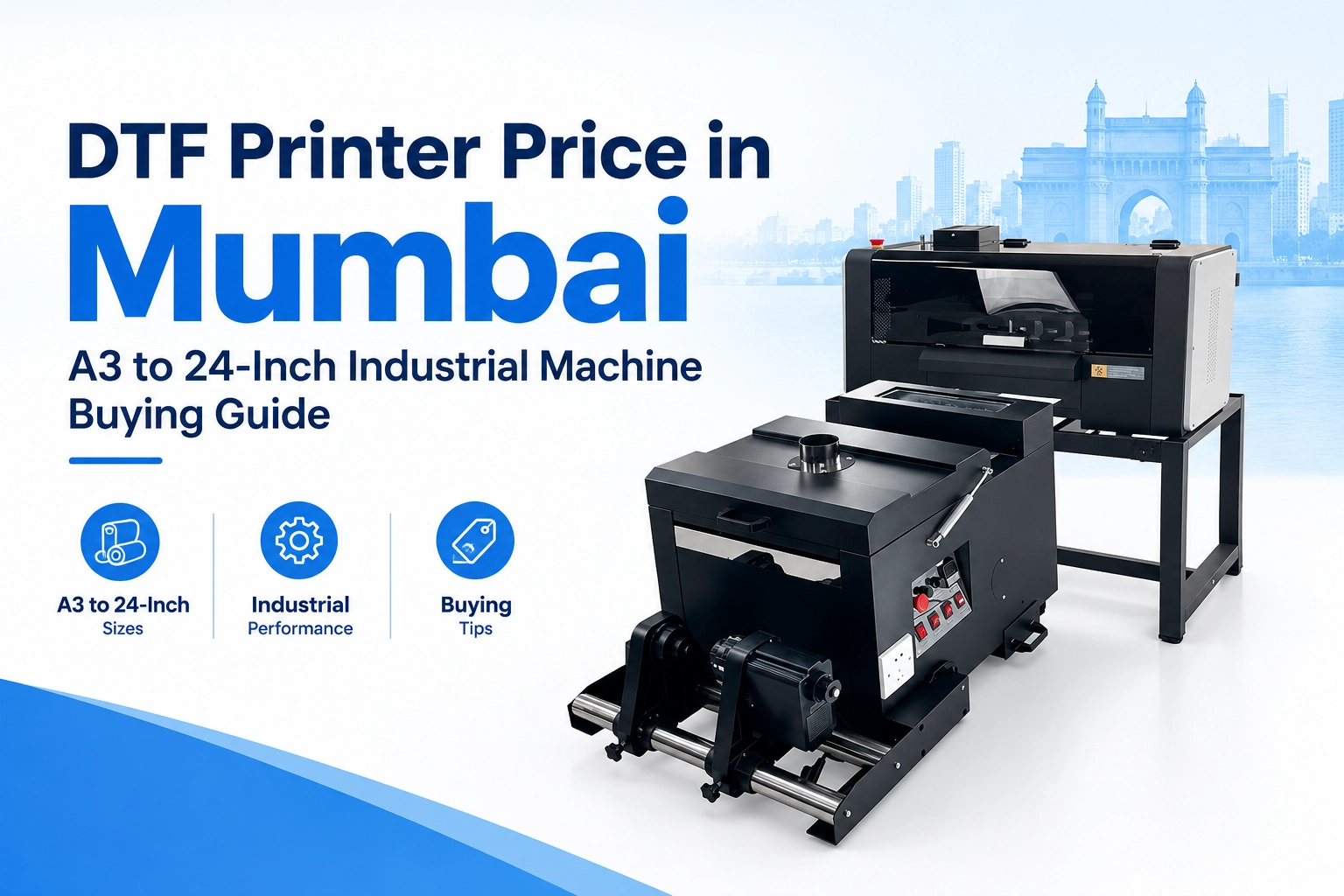
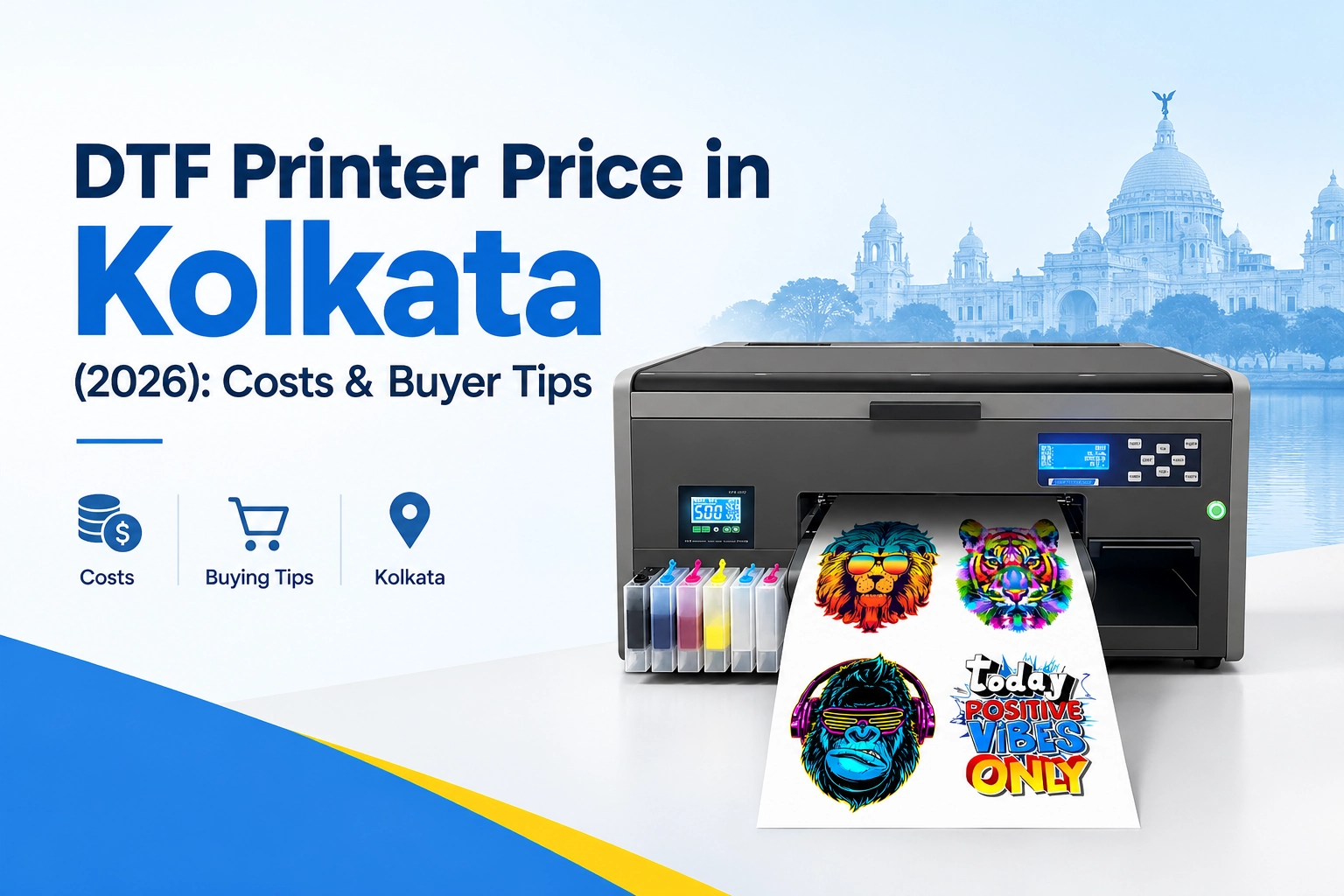
DTF (direct-to-film) printing means you print your design on a special film, add a layer of adhesive powder, and heat-press it onto the fabric. It works on many fabric types and doesn’t need any pre-treatment steps like some other methods do.
🌟 Pros of DTF Printing
✔ Works on Different Types of Fabric
DTF printing works well on cotton, polyester, nylon, blends, and more. This means you can use it for many kinds of clothing and fabric products.
✔ No Pre-Treatment Needed
With DTF, there’s no need to prepare the fabric beforehand. You can print and press your design directly, saving time and effort.
✔ Bright and Clear Colors
DTF prints are sharp and colorful, even on dark clothes. The white base layer helps the colors look even better.
✔ Long-Lasting Prints
DTF prints stay on the fabric after many washes without fading or cracking as long as you apply them correctly.
✔ Good for Small or Custom Orders
Since there’s no need to set up big machines or screens, DTF is great for printing small batches or custom one-off designs.
✔ Simple Equipment Setup
DTF printers are smaller and easier to set up than many other printing machines, making them perfect for small businesses or home studios.
⚠️ Cons of DTF Printing
✘ Film Can Be Sensitive
The film used in DTF printing needs clean handling. Dust or fingerprints can cause issues with the final print.
✘ Adhesive Powder Can Be Messy
The glue powder used in the process can create a mess if you don’t work carefully. Make sure your workspace is clean and well-ventilated.
✘ Print May Feel Thicker
Because the design sits on top of the fabric, DTF prints can feel a bit thicker or heavier than other printing methods.
✘ White Ink Needs Maintenance
The white ink used in DTF printers can clog the printer if not used regularly. It’s important to clean the printer and shake the ink bottles to avoid issues.
✘ Not the Fastest for Big Orders
If you need to print hundreds or thousands of the same design, screen printing might be faster and cheaper.

🤔 Is DTF Printing Right for You?
Here are two quick comparison tables that we hope will help you make a decision:
| Use Case | Is DTF a Good Fit? |
|---|---|
| Small or home-based businesses | ✅ Yes — easy and flexible |
| Custom t-shirt shops | ✅ Yes — works on many fabrics |
| Large factories with big orders | ❌ No — other methods may be faster |
| Detailed, full-color designs | ✅ Yes — colors look great |
| Want soft and thin prints | ❌ Maybe not — prints feel thicker |
DTF vs DTG vs Screen Printing
| Feature | DTF Printing | DTG Printing | Screen Printing |
|---|---|---|---|
| Best For | Small to Medium batches | One-offs & Small batches | Large bulk orders |
| Material | All fabrics (Cotton, Poly, Nylon) | Primarily Cotton | Most fabrics |
| Setup Cost | Low | High | Very High (Screen prep) |
| Durability | High (Elastic & Strong) | Medium (Fades) | Highest |
| Feel (Hand) | Slight plastic feel | Very soft/breathable | Depends on ink |
| Complexity | Simple (Print-Powder-Heat) | Complex (Pre-treatment) | Professional skill |
Check out Winnerjet’s high-efficiency DTF ink solutions to lower your costs further.
🧠 Pro Tip from Winnerjet
The Winnerjet A3 DTF Printer is a great choice if you’re just getting started. It’s small, reliable, and easy to use — perfect for custom t-shirt businesses or new startups. Plus, our low-viscosity inks help prevent printhead clogs, especially with white ink.
📌 Final Thoughts
DTF printing is a smart choice if you want to create custom clothes with bright colors and strong durability, especially if you’re just starting. While it’s not perfect for everything — like huge bulk orders or super-soft finishes — it offers great value and flexibility for most users.
🎯 Ready to Start with DTF?
Check out Winnerjet’s DTF printers, films, and inks, all made for small businesses and custom printing needs.
👉 Request a Free Sample— we’re here to help!
🙋 Frequently Asked Questions (FAQs)
🧵 Is DTF better than DTG?
It depends. DTF works on more fabric types and doesn’t need pre-treatment. DTG gives a softer feel, but it only works best on cotton.
🧽 How long does DTF last?
Yes! If applied correctly, DTF prints can last through many washes without fading or peeling.
📦 Can I start a business with DTF printing?
Absolutely. Many small businesses use DTF because it’s affordable, easy to learn, and great for custom orders.
💡 What fabrics work best for DTF?
DTF works well on cotton, polyester, blends, nylon, denim, and more.
⚙️ Is it hard to maintain a DTF printer?
No, but you should print often, clean the printhead, and shake the white ink to keep it in good shape.