If you’re starting a custom T-shirt or apparel business, choosing the right printing method is important. Two popular options are DTF (Direct to Film) and DTG (Direct to Garment). But what’s the difference, and which one is better for you?
What Is DTG Printing?
DTG printing works like a paper printer—but for T-shirts. It sprays water-based ink directly onto cotton fabric. The ink soaks into the fibers, making the design feel soft and smooth like it’s part of the fabric.
Good for:
- Cotton T-shirts and hoodies
- Small orders or one-off prints
- Highly detailed or photo-like designs

What Is DTF Printing?
DTF printing is a bit different. First, the design is printed onto a clear film. Then, a powder adhesive is added to the back. After heating the film to melt the glue, it’s pressed onto the fabric. The heat transfers the design from the film to the clothing.
Good for:
- Many types of fabric: cotton, polyester, blends, nylon, and more
- Bulk or repeat orders
- Bright and bold designs, like logos or graphics

Main Differences Between DTF and DTG
| Feature | DTG (Direct to Garment) | DTF (Direct to Film) |
|---|---|---|
| Fabrics Supported | Cotton only | Cotton, polyester, blends, nylon, more |
| Feel of Print | Very soft, blends into the fabric | Smooth and slightly raised |
| Wash Durability | May fade after several washes | Very durable, resists cracking and fading |
| Pretreatment Needed | Yes, especially for dark shirts | No pretreatment needed |
| Best Use | Detailed art on cotton garments | Colorful prints on all fabric types |

Pros and Cons of Each Method
DTG Pros:
- Very soft finish on cotton
- High-quality, detailed prints
- Great for single, customized orders
DTG Cons:
- Limited to cotton
- Requires fabric pretreatment
- Can fade after washing
DTF Pros:
- Works on almost all fabrics
- No need to treat shirts before printing
- Strong and flexible print—doesn’t crack easily
- Ideal for large or small batches
DTF Cons:
- Slightly thicker print than DTG
- Needs extra supplies like film and powder
So, Which Should You Choose?
It depends on your goals:
- Choose DTG for detailed images, photos, and fine gradients.
- Choose DTF for colorful logos, bold graphics, or when printing on different types of fabrics.
Many printing businesses use both, depending on the type of order.
Want to Get Started with DTF or DTG?
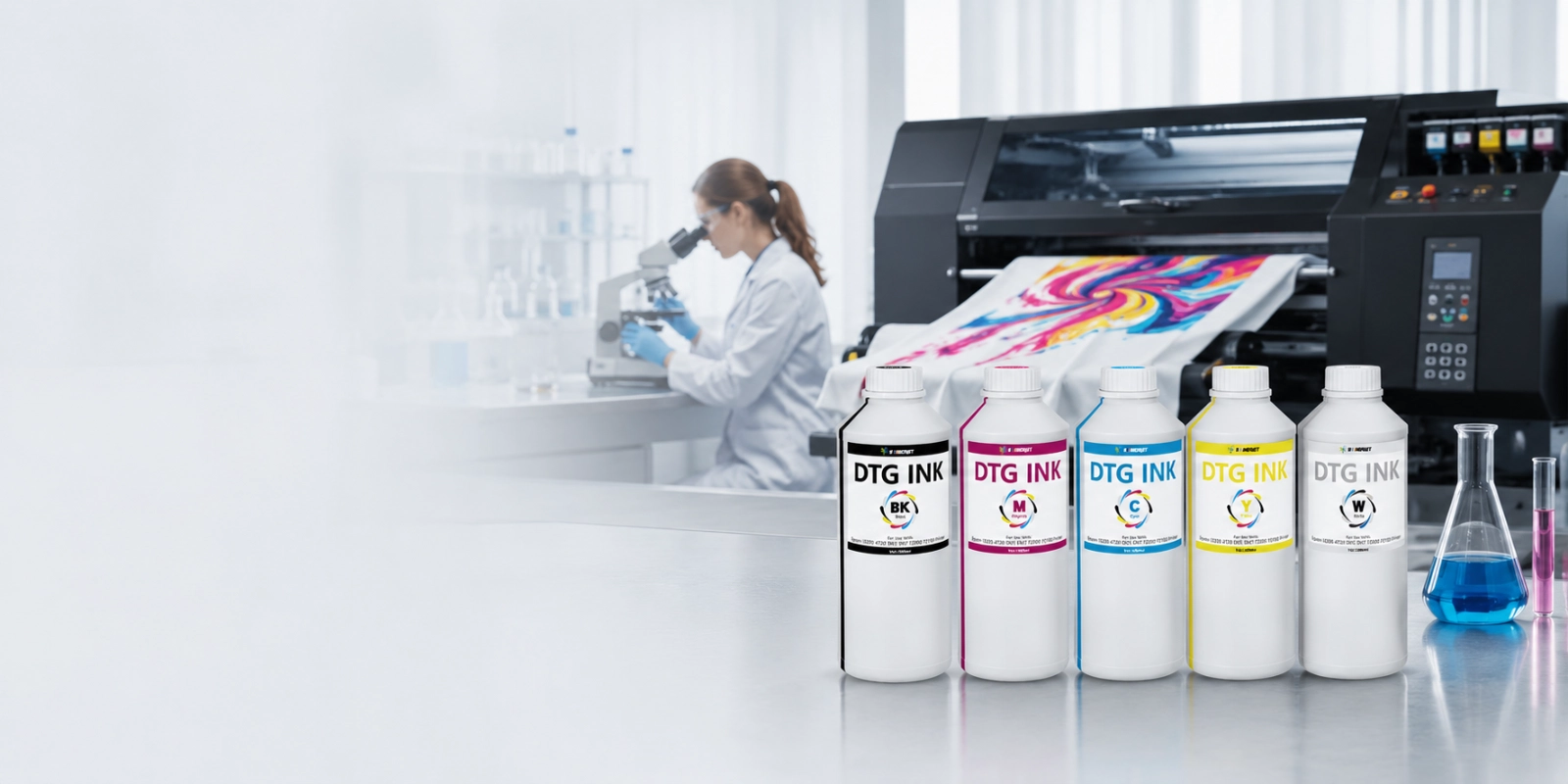
Our premium DTF ink and DTG ink are made for vibrant, long-lasting prints and works great with Epson printheads. Whether you’re printing for fashion brands or custom apparel shops, it’s a great choice.
👉 Check out Winnerjet’s DTF inks
👉 Check out Winnerjet’s DTG inks
FAQs:
What’s the main diffirence between DTF and DTG printing?
DTF (Direct-to-Film) involves printing designs onto a special film and then transferring them onto fabric using heat. DTG (Direct-to-Garment) prints directly onto the fabric, mainly cotton. DTF is more versatile in fabric compatibility, while DTG excels at producing photo-realistic detail on cotton.
Is DTF or DTG better for small business printing?
DTF is often preferred by small and medium-sized businesses due to its lower setup cost, wide material compatibility, and easier maintenance. It also enables quicker turnaround for short runs.
Which printing method is more eco-friendly?
DTG printing uses water-based inks and can be more eco-conscious if waste management is handled correctly. DTF involves heat transfer film and powder adhesive, so sustainability depends on materials used and waste control.
Which is more durable after washing: DTG or DTF?
DTF prints are generally more durable. The adhesive used in the transfer process helps the design stay intact after multiple washes without cracking or fading.
Is DTF or DTG better for small text and fine details?
DTG excels at photo-realistic images and very fine details, especially on cotton. DTF is excellent for bold graphics, logos, and small text, but extremely fine detail may sometimes be slightly raised or textured due to the transfer process.