Thinking about starting a DTG (Direct-to-Garment) printing business?
You’re in the right place.
DTG printing is a great way to create custom T-shirts, hoodies, and more by printing full-color designs directly onto fabric — no cutting or welding needed.
To help you get started, here’s a simple checklist of everything you need to launch your DTG setup with confidence.
✅ What You Need to Start DTG Printing
1. 🖨️ DTG Printer
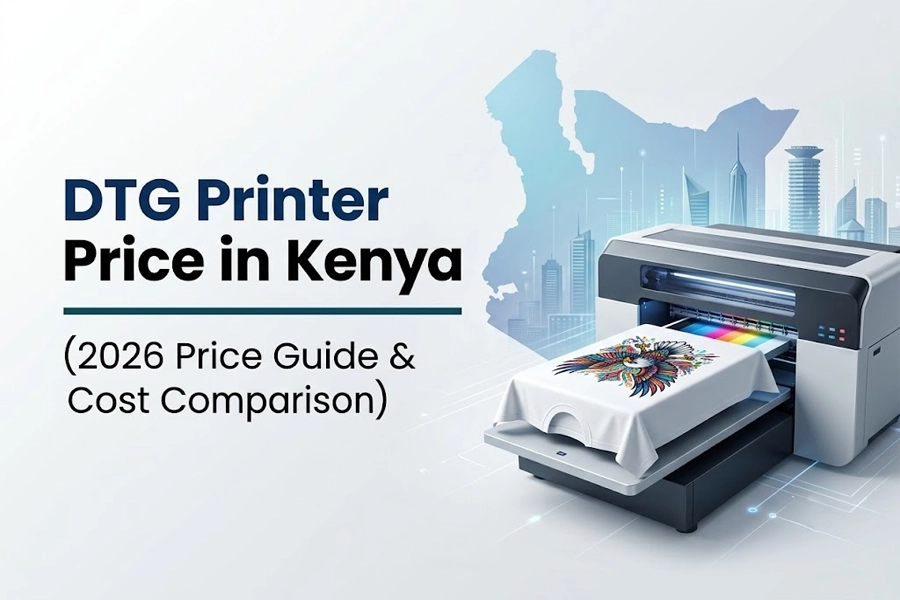
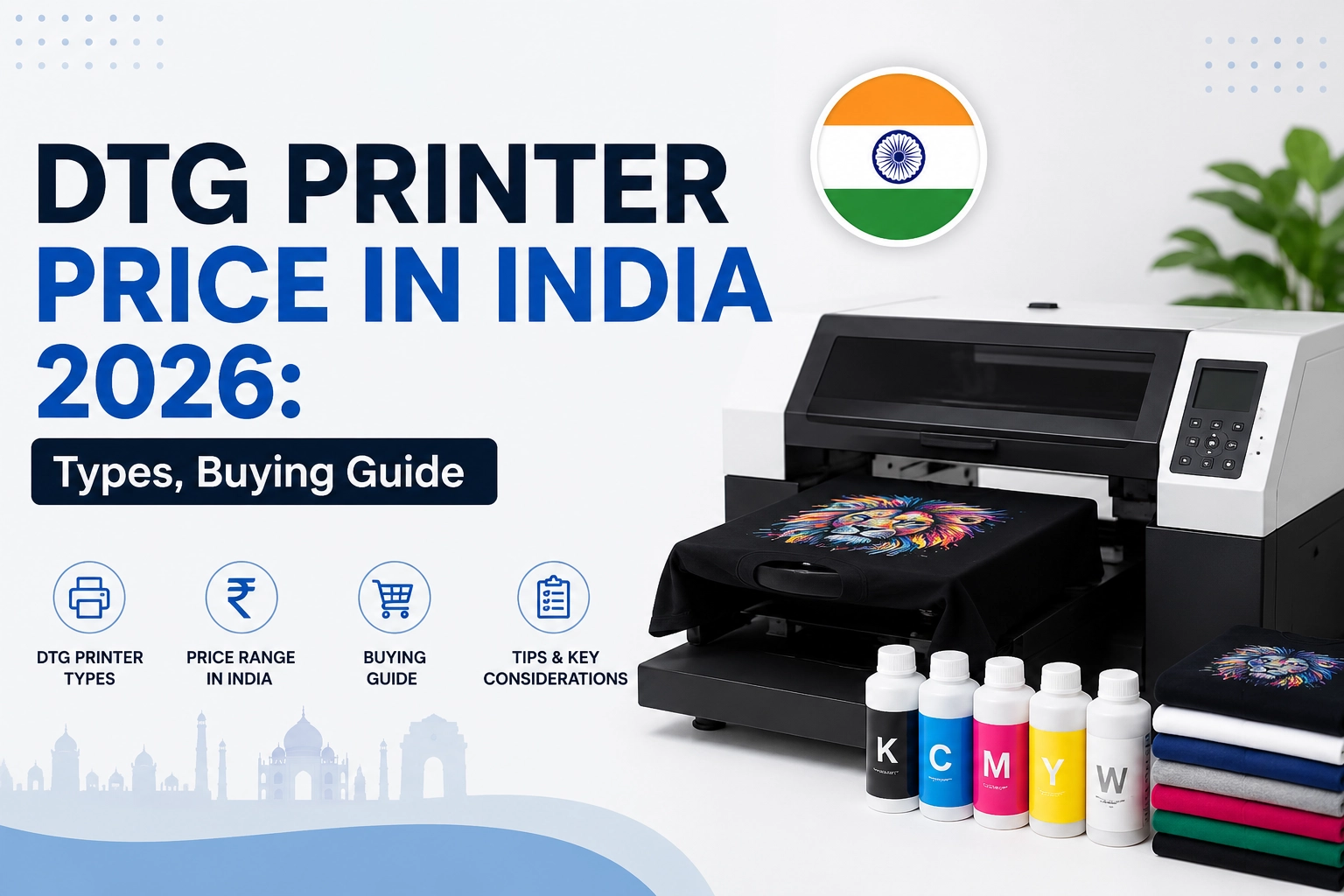
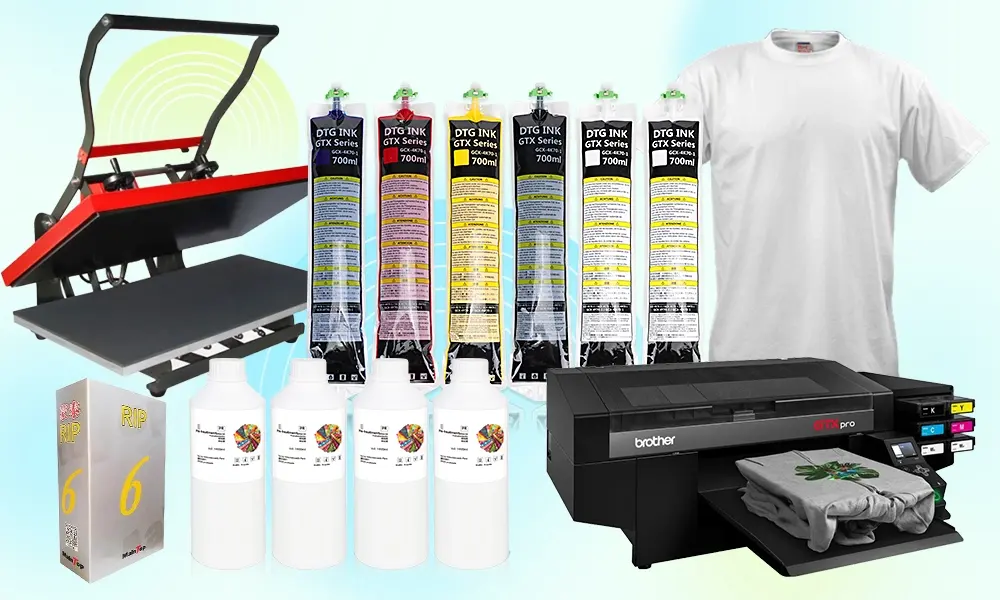
This is your most important tool. A DTG printer works like a regular inkjet printer but is made for printing directly onto clothes.
What to look for:
- Prints in full color and white
- Easy to clean and maintain
- Good for printing on cotton and cotton blends
Tip: Start with a reliable, beginner-friendly model if you’re new to the business.
2. 🧴 Pretreatment Tools
Before printing on dark or colored shirts, you’ll need to pretreat the fabric. This helps the ink stick and keeps colors bright after washing.
You can use:
- A manual spray bottle (cheap but takes time)
- A pretreatment machine (faster and more even)
3. 🌡️ Heat Press
Once your design is printed, you’ll need to use heat to dry (or “cure”) the ink so it stays on the shirt.
Look for a heat press that:
- Has accurate temperature and pressure control
- Has a flat, even surface
- Is big enough for the shirts you’ll print (at least 15×15 inches)
4. 💧 DTG Ink
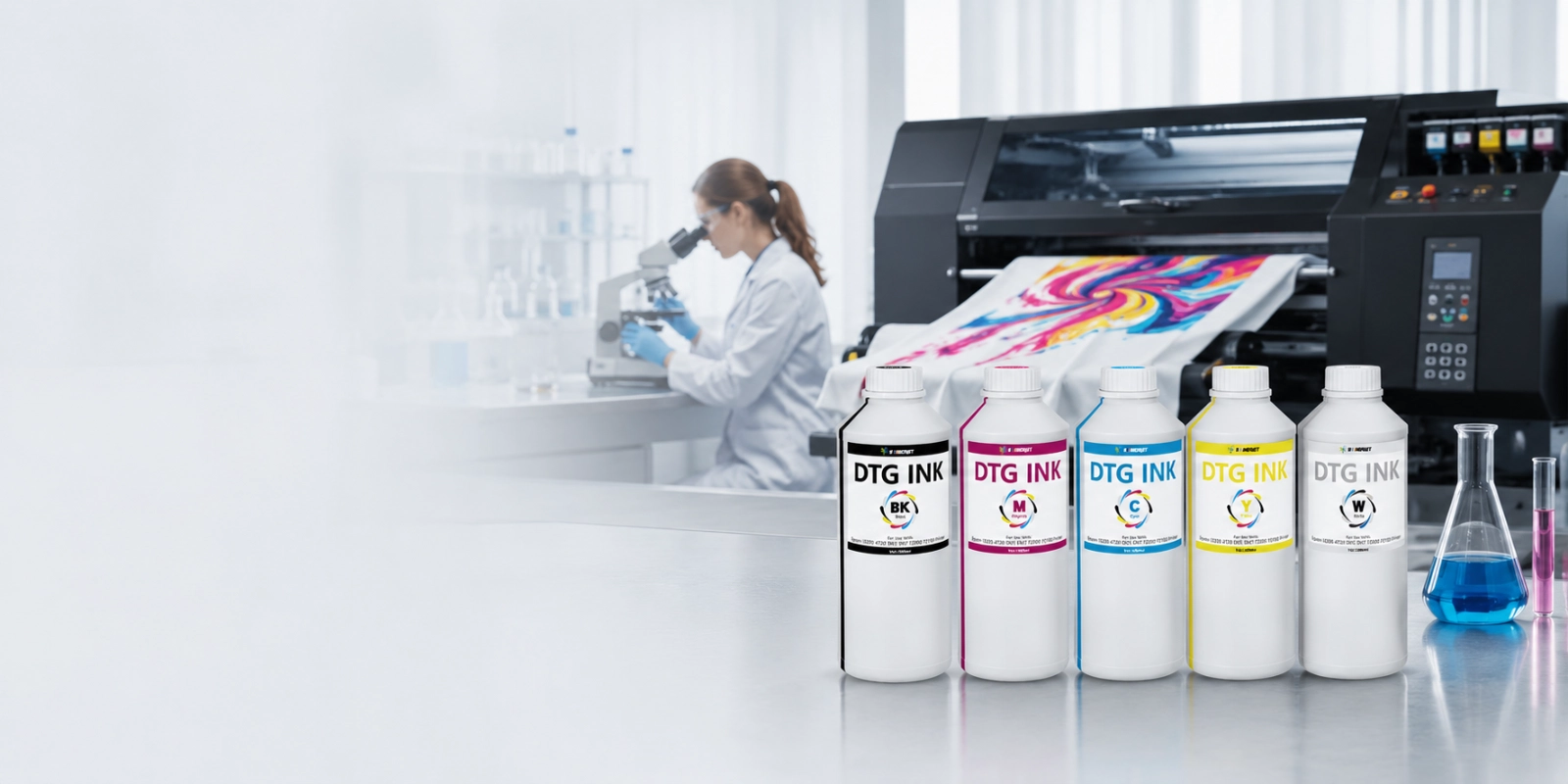
DTG ink is made to soak into fabric so it feels soft after printing. You’ll need CMYK colors plus white ink for dark garments.
Pro tip:
Always use ink that’s made for your printer model. Shake the white ink often to avoid clogs.
5. 👕 T-Shirts and Apparel
Start with 100% cotton T-shirts. They give you the best print quality.
Other tips:
- Ringspun cotton has a smoother surface for sharper prints
- Choose pre-shrunk shirts to avoid size issues later
6. 💻 RIP Software
RIP software prepares your designs for printing. It controls how the printer lays down colors and white ink.
Why it matters:
You get better colors, cleaner designs, and less wasted ink.
7. 🧼 Cleaning and Maintenance Supplies
DTG printers need regular cleaning to stay in good shape.
Keep these on hand:
- Nozzle wipes
- Cleaning liquid
- Swabs or soft cloths
- Ink waste tank or bottle
Tip: Make a habit of daily and weekly cleanups — it’ll save you money in the long run.
8. 🧠 Workspace Setup
A clean, organized space will make your work smoother and faster.
Must-haves:
- A table for the printer
- A heat press station
- Storage for shirts, ink, and tools
- Good airflow (especially for pretreatment and heat)
💡 Extra Tips for First-Time DTG Users
- Start small: Begin with just T-shirts so you can master the process
- Test first: Always test your design on a scrap or sample shirt
- Track your costs: Know your costs for ink, shirts, and time
- Keep learning: Every print teaches you something new
🏆 Why Quality Supplies Matter
Even with a great printer, poor ink or film can ruin your results. That’s why using reliable DTG ink and pretreatment is key.
👉 At Winnerjet, we supply high-quality DTG ink and accessories that work smoothly with most DTG printers. Our ink produces bright, long-lasting colors and doesn’t clog your printer.
✅ Final Thoughts
Starting a DTG printing business doesn’t have to be overwhelming.
With the right equipment, quality supplies, and a bit of patience, you’ll be printing your custom shirts in no time.
Start simple. Stay consistent. And keep improving with every print.
🎯 Need High-Quality DTG Ink and Accessories?
Winnerjet offers beginner-friendly DTG supplies that help you print smooth, vibrant designs with fewer clogs and better wash durability.
👉 [Talk to Our Team] to get started.
❓ Beginner FAQs
Can I start DTG printing at home?
Yes — just make sure your workspace is well-ventilated and clean.
Do I need pretreatment for all shirts?
Only for dark or colored shirts. White shirts usually don’t need it.
How much does it cost to start?
Anywhere from $5,000 to $20,000, depending on the printer and tools you choose.
What’s the difference between DTG and DTF?
DTG prints directly onto fabric. DTF prints on film, then transfers it to fabric. Both are good — it depends on what you’re making.
Will DTG prints last after washing?
Yes — if you pretreat correctly and cure the ink with a heat press.