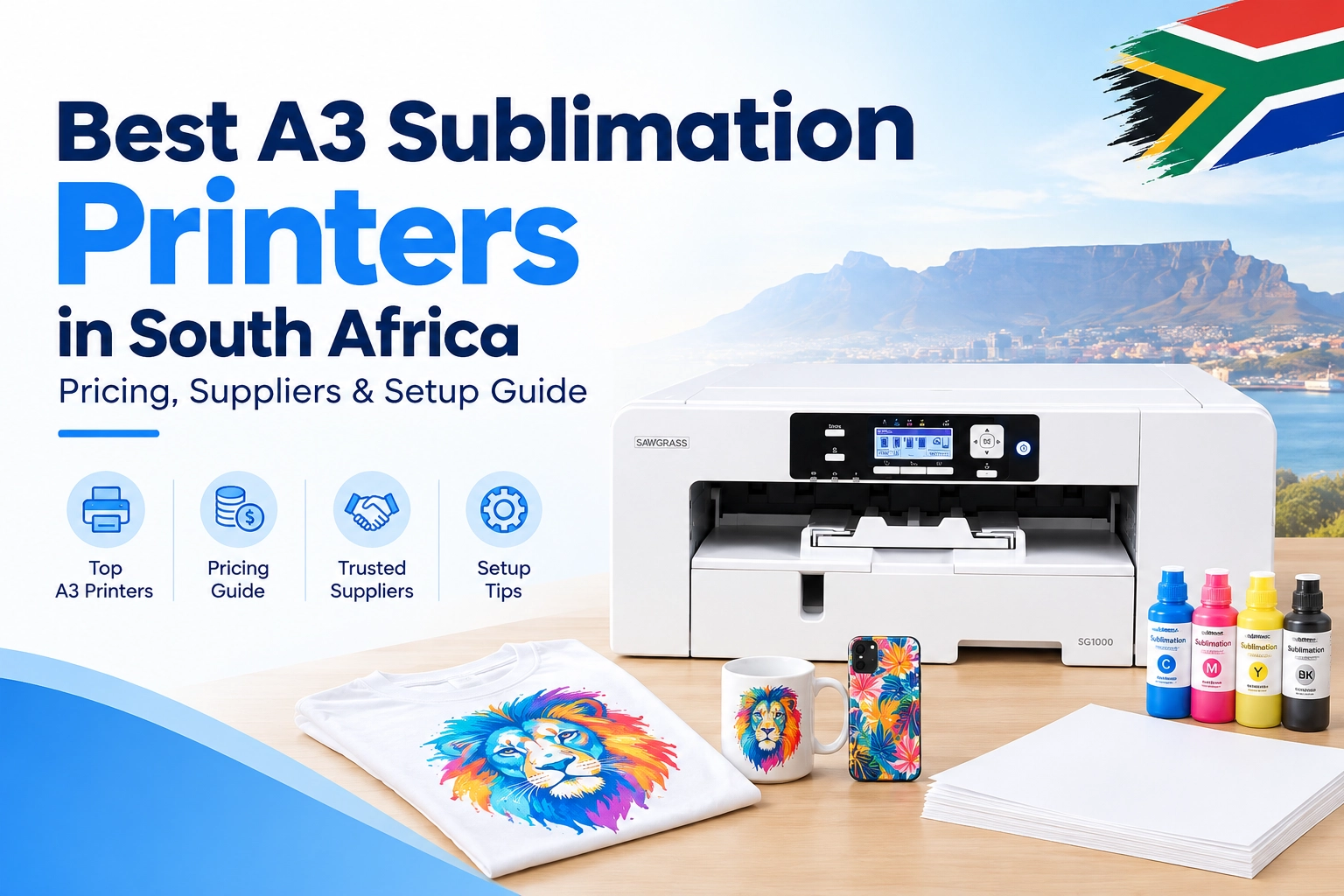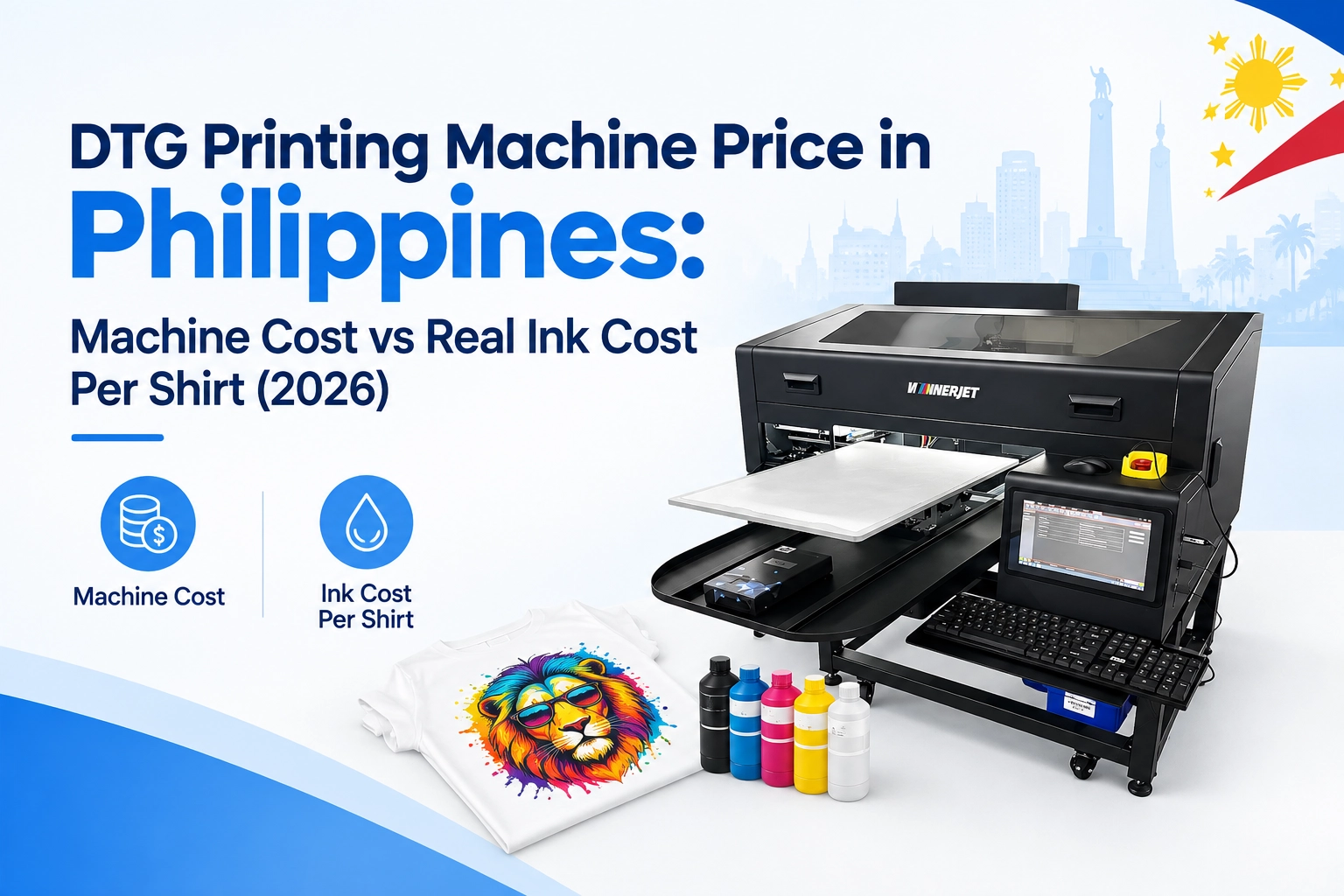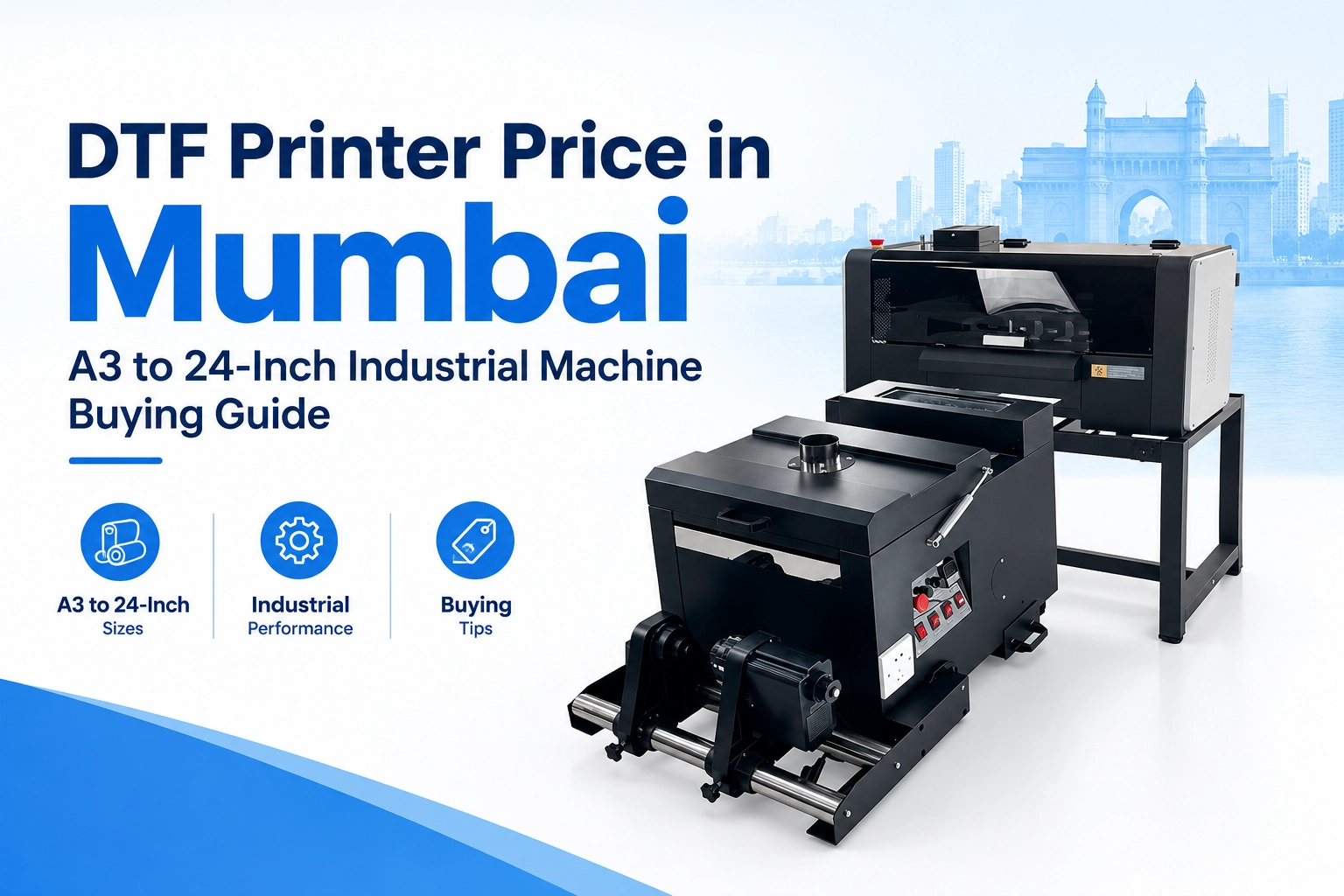
Choosing between DTG and Sublimation Printing comes down to two main factors: fabric type and order volume. As a professional digital printing consumables and ink supplier, here is what we must tell you: these two technologies rely on entirely different ink chemistries—misallocating them won’t just ruin the print, it will permanently clog and damage your expensive printheads.
In this article, we will explain these two methods in plain, easy-to-understand language and help you determine which printing method is best suited for your product.
What Is DTG Printing?
DTG printing is similar to using an inkjet printer to print directly onto clothes, primarily cotton T-shirts, hoodies, or tote bags.
- ✅ Works best on cotton or cotton-blend fabrics
- ✅ The design is printed straight onto the fabric (no extra paper needed)
- ✅ Great for colorful, detailed artwork and small orders
💡 For DTG printing to look great, the fabric often needs a special spray (called pretreatment) before printing. Winnerjet offers high-quality GTX ink that gives sharp images and lasts longer after washing.

What Is Sublimation Printing?
Sublimation printing utilizes heat to transfer ink onto items such as polyester shirts, mugs, or phone cases. The ink turns into a gas and becomes part of the material, ensuring the design won’t peel or crack.
- ✅ Works only on polyester or items with a special coating
- ✅ Super bright and long-lasting colors
- ✅ Best for sportswear, uniforms, and hard surfaces like mugs
💡 Winnerjet’s sublimation inks are made for fast drying and bright results, especially on polyester garments.
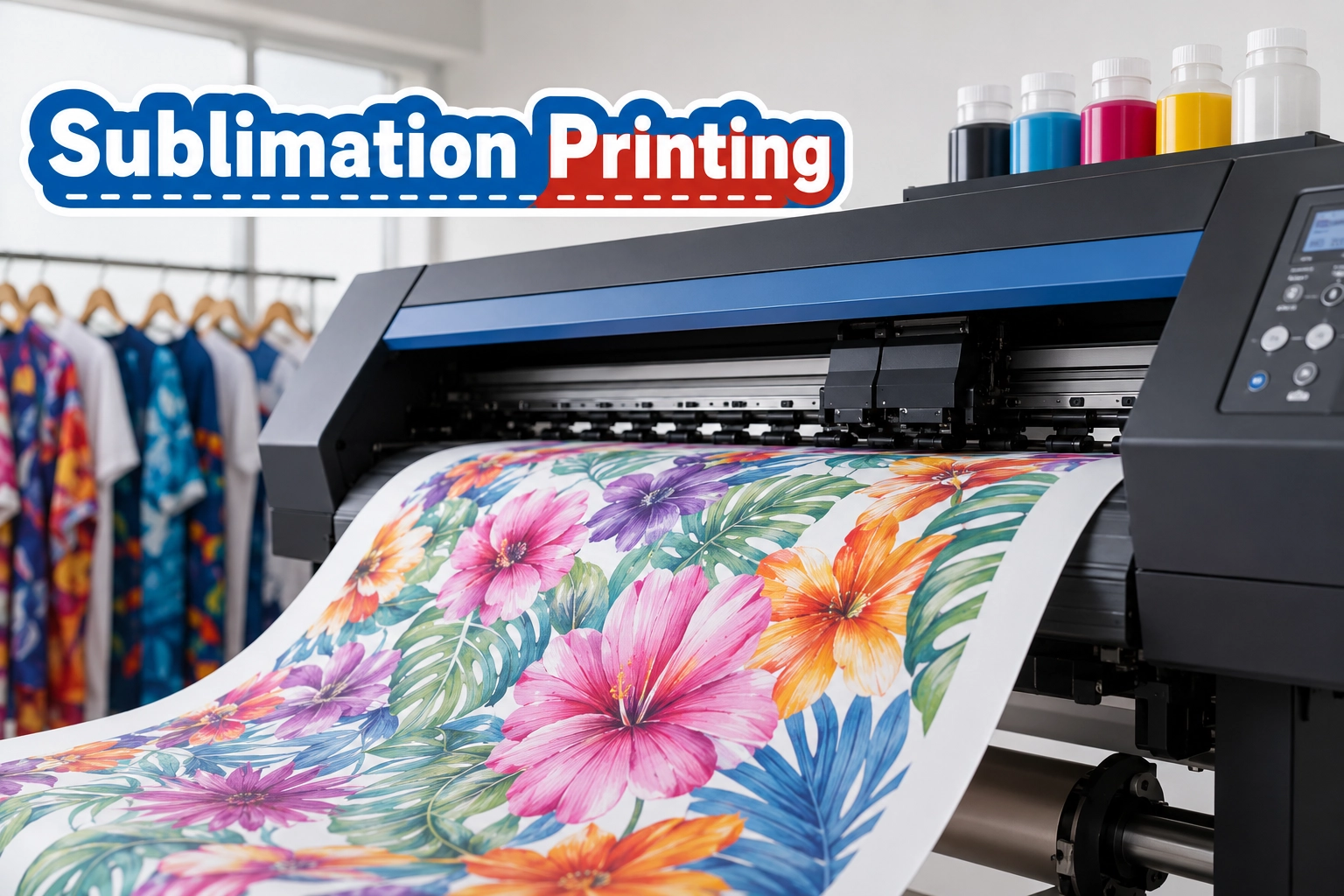
📊 Quick Comparison: Sublimation vs DTG
| Feature | DTG Printing | Sublimation Printing |
|---|---|---|
| Material Compatibility | 100% Cotton, cotton blends | 100% Polyester, coated blanks |
| Startup Cost | High | Low to Moderate |
| Cost Per Print | Higher (especially on dark shirts) | Low |
| Feel & Breathability | Soft, slightly noticeable layer | Zero-feel, fully breathable |
| Color Durability | Good (fades gradually over time) | Permanent (won't crack or peel) |
| Production MOQ | 1 piece (print-on-demand) | 1 piece to bulk orders |
DTG vs Sublimation Ink: Chemical Principles and Maintenance Costs
DTG (High Maintenance): DTG white ink contains heavy titanium dioxide (TiO_2) that precipitates quickly when idle. Sitting unused for even 48 hours risks clogging lines and nozzles, requiring daily automated ink purges that consume ink without producing revenue.
Sublimation (Low Maintenance): Disperse dye inks have no heavy mineral pigments or white ink bases. They resist sedimentation and can sit idle over long weekends without risk of nozzle clogs.
Supplier Advice: If you cannot run your printer daily, DTG maintenance and ink waste will eat into your margins. Sublimation is far more forgiving for sporadic production.
Which Printing Method Is Right for You?
dtg printing vs sublimation
✅ Go with DTG if:
- You print on cotton clothing, like fashion T-shirts or bags
- You need to print detailed, colorful designs
- You handle small or custom orders
🏷️ Tip: DTG printing is great for on-demand orders and works well with Winnerjet’s DTG ink for clean, long-lasting results.
✅ Choose Sublimation if:
- You print on polyester or special-coated items
- You need all-over prints or sportswear designs
- You want bright colors that won’t fade or crack
🏷️ Winnerjet’s sublimation inks are ideal for creating vibrant prints on polyester, offering excellent heat resistance and a smooth finish.
How to Care for DTG and Sublimation Prints
- DTG prints: Wash inside out in cold water on a gentle cycle. Avoid bleach and high heat.
- Sublimation prints: Easy to wash—no fading—but only work on polyester.
Sublimation vs DTG: DTG is suitable for complex, colorful prints on pure cotton fabrics, whereas sublimation is an excellent choice for polyester fabrics, offering prints that never fade.
Final Thoughts
Both DTG and Sublimation have unique advantages. If you’re printing on cotton, go with DTG. If you’re working with polyester or hard goods, sublimation is a better option.
Test our quality before you invest:
Receive side-by-side test swatches of DTG pigment on cotton and sublimation dye on polyester.
Test wash durability, hand feel, and color accuracy in your own facility.
Ensure perfect compatibility with your production setup before placing bulk ink orders.
👉 Request Your Free Sample Pack — Contact Winnerjet with your printer model to get matched samples.
FAQs DTG vs Sublimation
Can DTG print on polyester?
Is sublimation cheaper than DTG?
Which lasts longer, DTG or sublimation prints?
Can sublimation print on black or dark-colored garments?
No. Standard dye sublimation inks are transparent and cannot print white ink. Because of this, designs applied to dark fabrics are invisible. Sublimation only works on white or very light-colored garments, whereas DTG can print an opaque white ink base to produce vivid designs on dark clothes.
Is DTG better than sublimation, or should I consider DTF?
DTG is best for soft, breathable cotton fashion T-shirts, while sublimation excels at bright, permanent designs on white polyester sportswear and hard substrates. If you need to print on both cotton and polyester with a single machine setup, direct-to-film (DTF) is an increasingly popular alternative worth considering.