Introduction to DTG and DTF Printing
DTG (Direct – To Garment) and DTF (Direct – To Film) are automatic processes of customizing fabrics because they allow high-definition edits. Each method has its pros and cons, which is why knowing them is crucial to helping your business. Each approach affects output, financial projections, and the capability to expand a business. WinnerJet provides top-notch inks that work perfectly with the two different techniques. Find out more at WinnerJet.
Visit – https://www.winnerjet.com/
What is DTG (Direct-to-Garment) Printing?
DTG involves specialized printers that inject ink directly to cotton fabric. The end result is a detailed print of a picture or image etched onto the fabric. Equipment includes a pretreatment solution, curing device, and a DTG printer. In addition, the method works seamlessly with custom apparel and small batches of garments. With WINNERJET’s premium DTG inks, optimal performance is a guarantee. Find more at WINNERJET.
What is DTF (Direct-to-Film) Printing?
Printing on transfer film, applying DTF (Direct – To Film) involves etching a design onto the film along with adhesive powder, before pressing it onto the fabric using a heated device. DTF works on a range of materials such as cotton, leather, and polyester without the need for fabric pretreatment, making it versatile as well as economical.
Key Differences Between DTG and DTF Printing
When it comes to fabric choice, DTF takes the cake as it allows for a wider selection compared to DTG which directly prints and works best with cotton. While ease of use for detailed designs lies in DTG, for special inks and heat-pressing DTF takes the lead. For bulk orders, DTF offers faster production times.
Comparing Cost and Investment
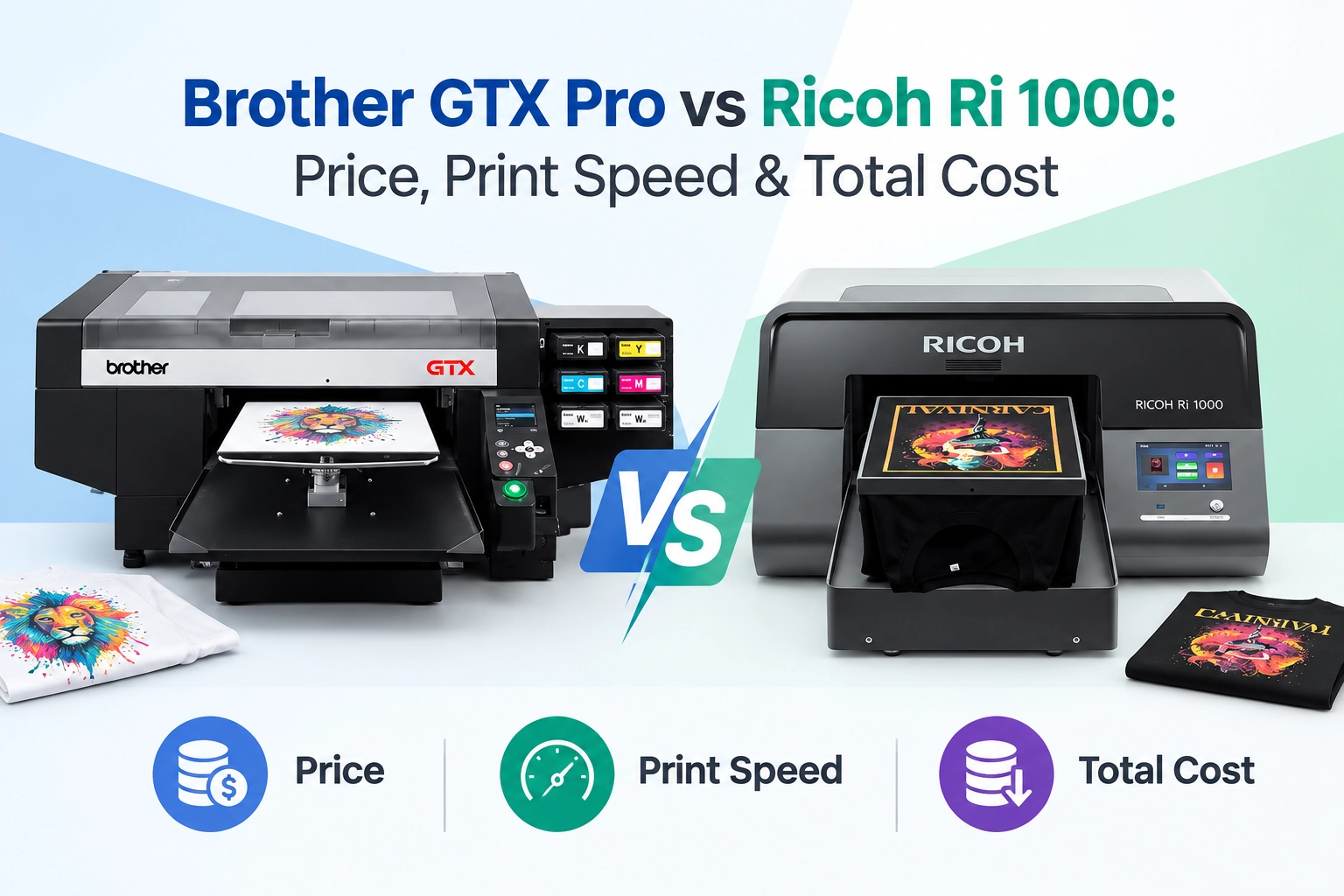
DTG printers generally have higher upfront costs as well as additional costs for pretreatment and maintenance. On the other hand, DTF printers are more affordable, require less supplies, and have low maintenance expenses. These factors contribute to a DTF having faster production speed which is ideal for bulk orders and a cost effective solution for high volume businesses.
Business Considerations: DTG vs. DTF for Entrepreneurs
DTG excels on small-batch custom apparel printing when elaborate details and softer prints are a must. DTF is great for businesses with high volume production requirements, wide range of fabrics, and quicker turnaround. Due to lower setup and production costs, DTF remains the more profitable option.
DTG Printing: Pros and Cons
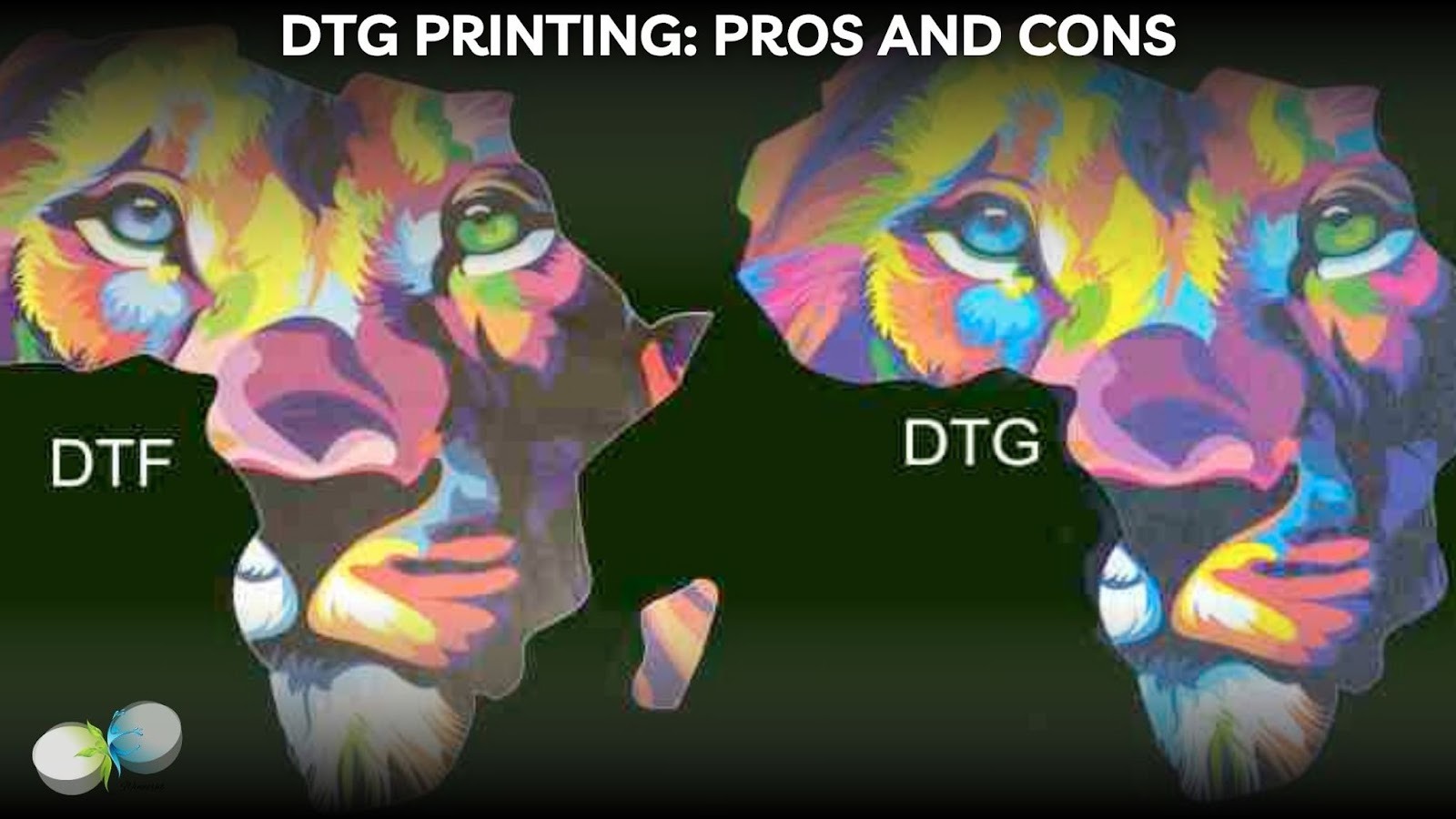
With DTG, high quality, detailed prints can be achieved on cotton and natural fabrics with a soft touch. However, pretreatment is a requirement and for larger orders, it’s slower. DTG is also less effective with synthetic materials and maintenance costs can be expensive.
DTF Printing: Pros and Cons
DTF does not need pretreatment making it a great option for cotton, polyester, and leather. It’s is faster for mass production but the process comes with the hurdle of handling adhesive powder and heat pressing. Compared to DTG, DTF prints are stiffer.
Choosing the Right Printing Method for Your Business
For customized apparel requiring intricate detail and softness, turn to DTG. As far as speedy production, multi-purpose fabrics and large quantity orders are concerned, DTF provides a better solution. You should think about your print volume, types of fabrics, and finishing touches beforehand.
Combining DTG and DTF for Maximum Flexibility
Some businesses adopt a hybrid method of using both DTF and DTG for flexibility. DTG works best with more detailed designs. However, DTF is much better for bulk orders on a wide range of different fabrics. Employing both techniques will guarantee competitiveness in production and assortment of goods.
Future Trends in Digital Textile Printing
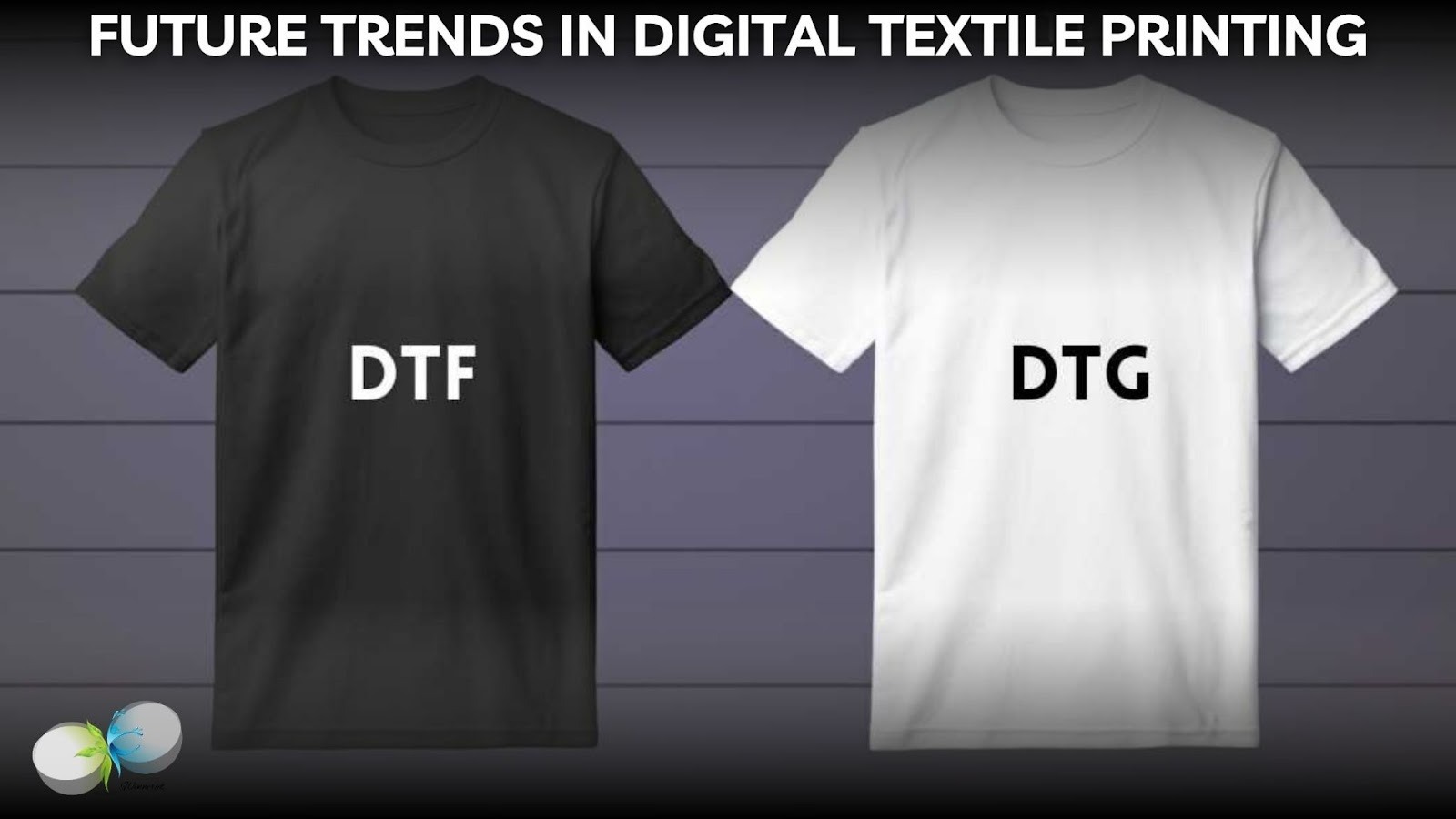
With the constant improvement of the quality and speed of printing, as well as the use of green technologies, development of DGT and DTF printing resolves around them. Sustainable inks and energy-efficient processes are on the rise. As the demand for custom products increases, both methods will continue to stand strong.
DTG vs DTF – Making the Best Choice
You should evaluate several interrelated aspects when choosing between DGT and DTF. The type of fabric, volume, and level detail wished to be captured on print are some of those. Softness and detail are where DTG shines, while DTF is unmatched when it comes to variety and speed of production. Both methods are effective, but may affect different business needs in a diverging manner.
Frequently Asked Questions (FAQs)
Which is more durable: DTG or DTF?
DTF printed fabrics tend to have more durability than the prints produced using DTG technology. Unlike DGT prints, DTF prints are deep baked into the fabric to resist cracking, peeling, and fading. Although DTG prints are undeniably high quality, they tend to face an issue with durability if put under harsh conditions. In all fairness, both methods require proper curing and care to produce optimal results.
Can I print on polyester with DTG?
DTG prints on polyester are not recommended as the synthetic fibers do not bond well with the ink – rather, the ink sits on the surface. This results in the prints on polyester fabrics being less durable and fading much quicker. As for polyester fabrics, DTF or sublimation would do a much better job.
Is DTF printing better for large-scale production?
Of course DTF printing is better for bulk printing because it is an efficient and cost effective option. DTF can also be printed on a wider range of materials compared to DTG since DTF printers do not require pretreatment. There is also a cost and time management benefit to using DTF over DTG since the printing and transfer process in DTF is much faster.
Which printing method requires more maintenance?
Compared to DTF printers, DTG printers are also more expensive to maintain. If, for example, white ink is used in DTG printers, constant maintenance is necessary for proper functionality of the machine. However, DTF printing is less expensive and time consuming, as there is less focus on the printer and more focus on the film and adhesive.
Can I use the same printer for both DTG and DTF?
Certain modifications can be made to certain DTG printers to make them compatible with DTF printing, but there are no guarantees. These modifications do require extra equipment, such as a heat press and powder adhesive unit. Also, it is usually recommended to have separate printers for the two printing methods, instead of relying on one device.