If you’re printing custom T-shirts, hoodies, or other fabrics, you’ve probably heard of two popular printing methods: DTG vs DTF. Both are great, but which one should you choose? This article will explain how they work, their pros and cons, and help you decide which is the best for your needs.

What Is DTG Printing?
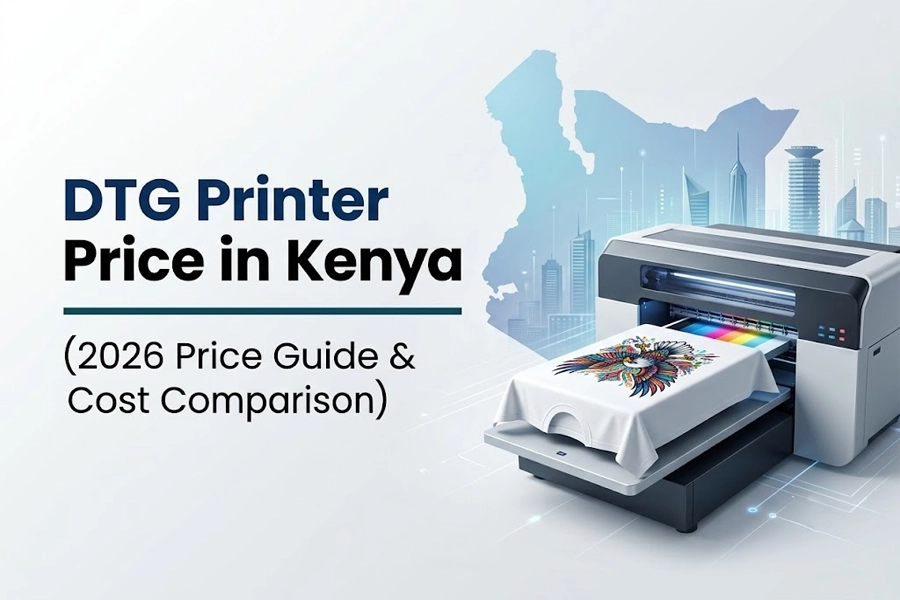
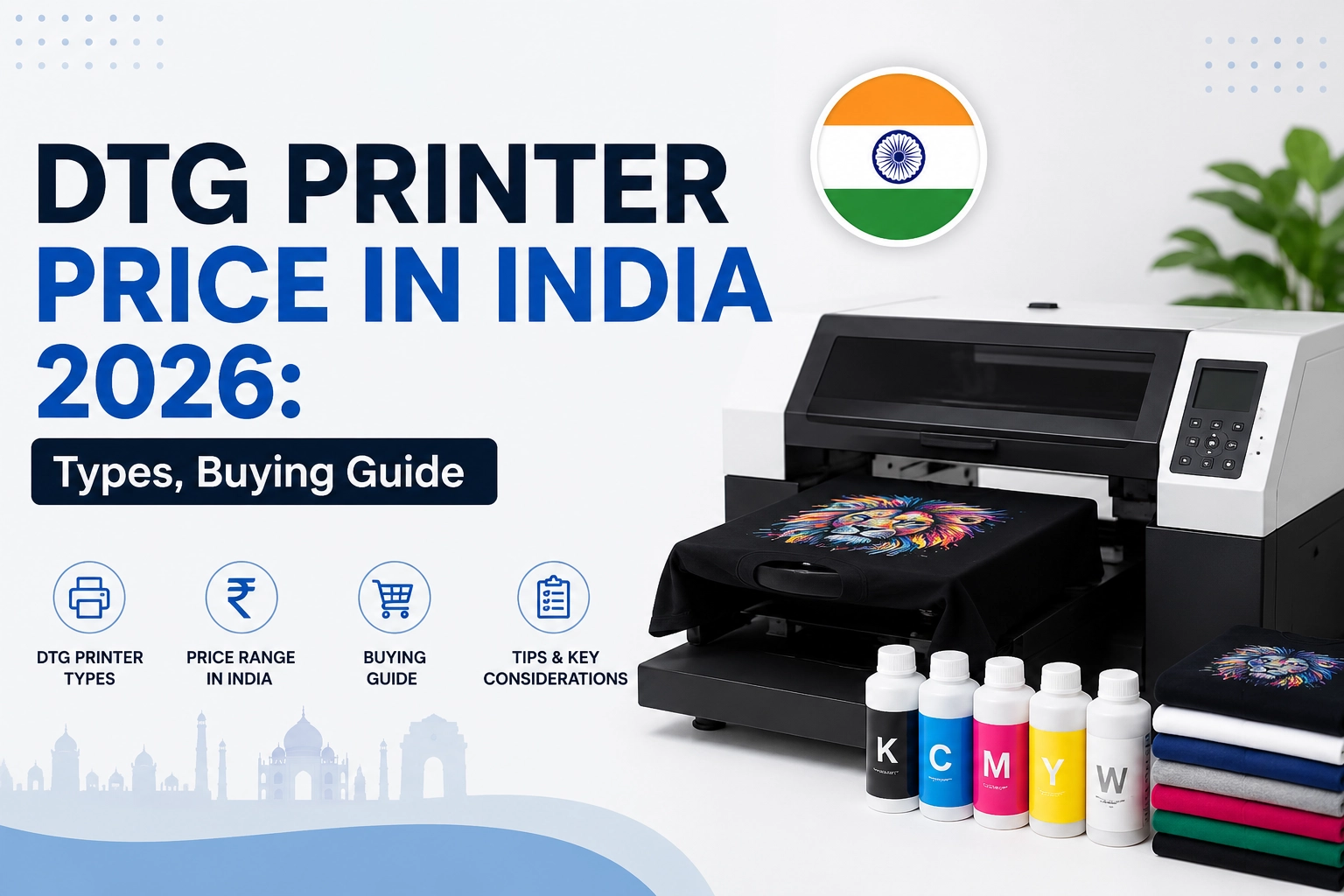
DTG stands for Direct-to-Garment. It works like a regular inkjet printer, but instead of paper, it prints directly onto fabric. DTG is perfect for cotton shirts and is great for printing colorful, detailed designs. The ink soaks into the fabric, so the print feels soft and smooth.
Best for:
- 100% cotton or cotton-blend clothes
- Small orders or one-off prints
- Detailed, full-color images
What Is DTF Printing?
DTF stands for Direct-to-Film. This method prints your design on a clear film first. Then, a special powder is applied, and the design is heat-pressed onto the fabric. Unlike DTG, DTF works on many types of materials like polyester, nylon, and even leather.
Best for:
- All kinds of fabrics (cotton, polyester, blends, etc.)
- Strong, long-lasting prints
- Medium to large print runs
Key Differences Between DTG and DTF
DTF vs DTG printing: Which is better, DTG or DTF
| Feature | DTG Printing | DTF Printing |
|---|---|---|
| Fabric Compatibility | Best on cotton | Works on most materials |
| Print Feel | Soft and smooth | Slightly raised, rubbery feel |
| Durability | Good, but may fade with time | Very durable and wash-resistant |
| Setup Time | Simple and quick | Slightly more steps involved |
| Cost for Bulk Orders | Higher cost per item | More affordable for large batches |
| Maintenance | Needs frequent cleaning | Easier to maintain |
dtg vs dtf, So, Which Is Better?
Choose DTG if:
- You mostly print on cotton T-shirts.
- You want soft prints that feel like part of the fabric.
- You are handling small orders or on-demand printing.
Choose DTF if:
- You want to print on different types of materials.
- You need bold, long-lasting prints.
- You’re printing in large volumes.
Is DTG or DTF Better for Small Business?
The choice between DTG and DTF for a small business depends entirely on your product line and budget:
Choose DTF Printing if: You have a tight budget, need to print on diverse fabrics (like polyester sportswear, nylon hats, or canvas bags), and want a simple, standardized workflow.
Choose DTG Printing if: You target high-end clothing brands, print strictly on 100% cotton garments, and your customers demand a premium, zero-feel breathable print texture.
Final Thoughts
Both DTG and DTF are excellent printing methods. DTG is great for soft and detailed prints on cotton, while DTF is better for printing on all kinds of fabrics with strong, durable results. Think about your printing needs—materials, order size, and print quality—before you choose.
✅ Need DTF or DTG Supplies?
At Winnerjet, we provide top-quality inks, PET films, powders, and more for DTF and DTG printing. Whether you’re a print shop, distributor, or small business, we have the right products to help you deliver bright, lasting results.
FAQs
Can I use DTF ink in a DTG printer?
No, DTF and DTG use different types of ink and machines. Mixing them can damage your printer.
2. Which method is more eco-friendly?
DTG is often seen as more eco-friendly for small jobs because it uses water-based ink and has less waste.
3. Is DTF better for dark or synthetic fabrics?
Yes, DTF prints better on dark colors and synthetic materials like polyester.
4. Which feels softer on the shirt?
DTG prints feel softer because the ink goes into the fabric, while DTF prints sit on top.
5. Which one is easier for beginners?
DTF is often easier to get started with because it works on more fabrics and needs less printer maintenance.
6. Difference between dtg and dtf
DTG and DTF are currently the two most mainstream technologies in the field of digital garment printing. Their core differences lie in the “printing medium” and the “production process.”