If you use an inkjet printer—whether for printing photos, documents, or custom clothing—knowing how the printhead works and mastering regular printhead cleaning can save you a lot of trouble. This article will help you understand what a printhead is, why printhead cleaning is crucial for maintaining print quality, and how to perform it safely without damaging your printer.
What Is a Printhead?
A printhead is the part of an inkjet printer that sprays ink onto paper or fabric to form words and images. It works kind of like a shower head, releasing tiny drops of ink through small holes called nozzles.
There are two common types:
Built-in printheads: These stay in the printer and must be cleaned regularly.
Cartridge-based printheads: Found in many home printers, these come attached to the ink cartridge and are replaced when you change cartridges.
If the printhead gets clogged with dry ink, your prints may look streaky, faded, or have missing parts.
Why Printer Cleaning Matters
Over time, ink can dry inside the nozzles, especially if you don’t use your printer often, making it essential to know how to clean printer heads effectively. Dust or air can also block the nozzles, but you can usually clean printer heads to restore professional print quality. If that happens:
Your prints will look bad
You’ll waste ink trying to fix it
The printhead could be damaged permanently
If you run a printing business, keeping the printhead clean helps avoid production delays and poor print results.
How to Tell If Your Printhead Needs Cleaning
Here are common signs:
Prints have missing lines or gaps
Colors look faded or wrong
Ink doesn’t come out evenly
You see streaks or smudges
The printer shows a nozzle error
If you notice any of these issues, it’s time to clean your printhead.
Step-by-Step Guide: How to Clean Printhead Effectively?
Watch our 5-minute complete DTF printer maintenance guide to see the exact cleaning process.
[00:26] How to move the print head carriage and clean the underside of the nozzles.
[01:20] Cleaning dried ink residue from the rubber seal (Rubber Pad).
[02:51] Cleaning standard for the print head surface (Sprinkler Mirror): It must be as clean as a mirror.
[04:50] An important post-cleaning step: Soaking the print head in moisturizing liquid to prevent ink clogging.。
Pro Tip for Industrial Users:
Capping Station: In DTF printing, white ink residues tend to build up here. Ensure this area is as clean as a mirror (as shown at 02:51 in the video).
Moisturizing: Always use a professional moisturizing liquid if the machine will be idle for more than 24 hours—a must-do for DTG/DTF high-volume setups.
There are two main ways to clean it:
1. Use Your Printer’s Cleaning Setting
Most printers can clean the printhead automatically:
Go to your printer’s menu or software
Find and select “Clean Printhead” or “Nozzle Check”
Follow the instructions
⚠️ Don’t do this too many times in a row—it uses a lot of ink.
2. Clean It by Hand (for tough clogs)
If the automatic method doesn’t work:
Take out the cartridges and, if possible, the printhead
Use a soft cloth and some warm water or printhead cleaner
Gently wipe the nozzles
Let it dry completely before putting it back
Be careful and always check your printer manual before trying this.
Final Thoughts
Your printer’s printhead is like its engine. If you keep it clean, your prints will look great, and your printer will last longer. Whether you print once a week or run a business, good maintenance and reliable ink make a big difference.
✅ Want better performance and fewer clogs?
Try our trusted DTF ink at Winnerjet — made for clear prints and smooth printing.
FAQs:
How often should I clean my printhead?
If you print every day, clean it once a week. If not, clean it after long periods of no use.
Can dried ink damage a printhead?
Yes. Dried ink can clog the nozzles. That’s why regular use and proper ink storage are important.
Is it safe to clean a printhead myself?
Yes, as long as you follow your printer’s instructions and use the right tools or cleaning solutions.
What kind of ink helps prevent clogs?
Use high-quality ink like our Winnerjet DTF and pigment inks, which are made to flow smoothly and reduce clogs.
When should I replace my printhead?
If cleaning doesn’t work and your prints still look bad, it may be time to replace it.
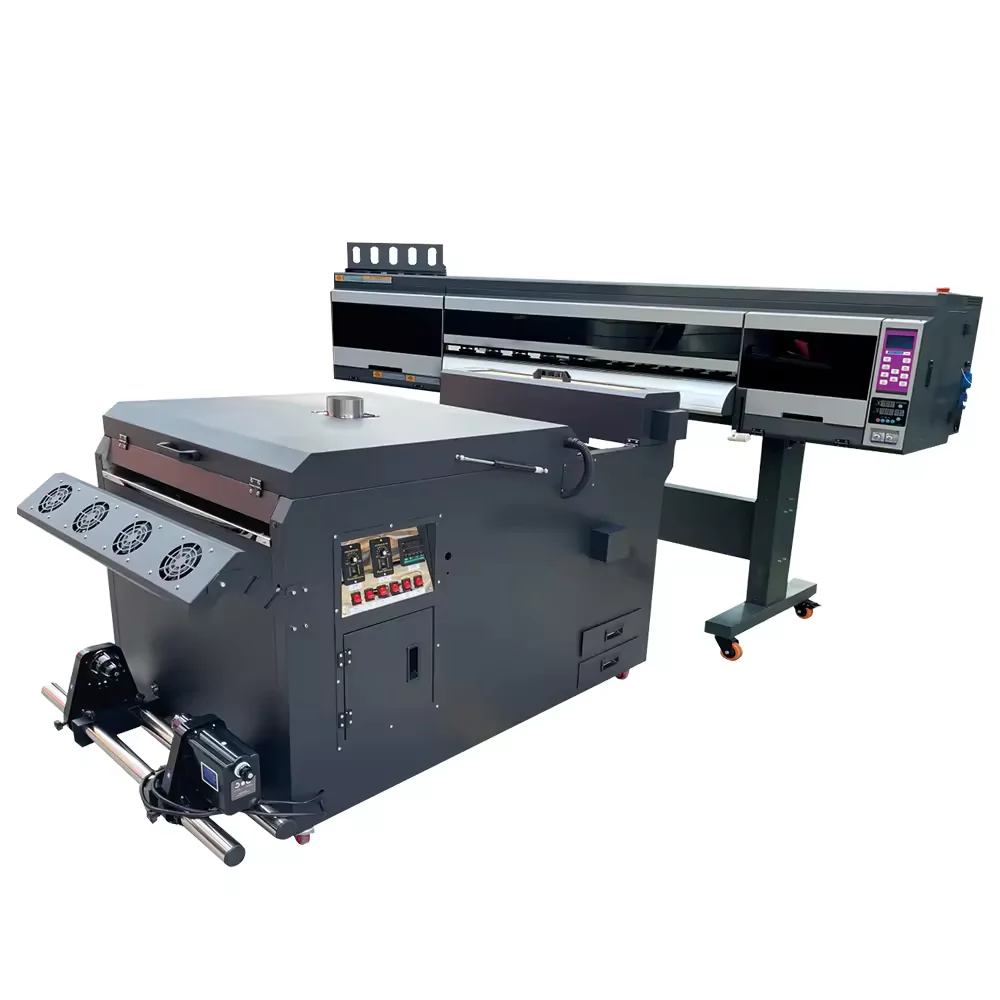
Can I use this cleaning method for my DTG or DTF printer?
Absolutely. In fact, DTF and DTG printers are more prone to clogging due to the nature of white ink. Our guide and video specifically show how to handle these professional setups, including cleaning the capping station and ensuring the nozzle plate is residue-free to prevent permanent clogging.