When you’re looking to start or expand a custom printing business, DTF (Direct to Film) printing and sublimation printing are two of the most popular methods. Each has its strengths, weaknesses, and best uses. This guide will break them down in simple terms so you can decide which method is the better fit for your needs.
🔍 Quick Overview
- DTF Printing: Prints designs onto a special film, applies adhesive powder, and transfers the design to fabrics (including cotton, polyester, and blends) using heat.
- Sublimation Printing: Uses heat to turn special ink into a gas, bonding it directly into polyester fabric or coated products.
📊 DTF vs Sublimation: Side-by-Side Comparison
| Feature / Factor | DTF Printing | Sublimation Printing |
|---|---|---|
| Compatible Materials | Works on cotton, polyester, blends, leather, wood, metal (with coating) | Works only on polyester fabrics and polymer-coated items |
| Print Durability | High — resistant to washing, stretching, cracking | High — colors are permanent, but limited to poly materials |
| Color Vibrancy | Excellent on all colors, including dark fabrics | Bright, but best on white or light fabrics |
| Equipment Cost | Moderate (DTF printer, heat press, curing unit) | Low to moderate (sublimation printer, heat press) |
| Production Speed | Medium — print, powder, cure, press | Faster — print and press directly |
| Market Flexibility | High — wide range of custom products | Medium — great for sportswear and promotional goods |
| Learning Curve | Moderate — requires process control | Easy — beginner-friendly |
✅ When to Choose DTF Printing
DTF is a better choice if you:
- Need to print on a wide variety of fabrics, including cotton and dark colors.
- Want strong, vibrant colors that stand out.
- Offer custom designs for hoodies, tote bags, or mixed fabric products.
💡 Example: If you’re running a T-shirt business and customers request both black cotton shirts and white polyester shirts, DTF can handle both without changing your setup.

✅ When to Choose Sublimation
Sublimation works best if you:
- Focus on polyester or polyester-coated products
- Want a smooth, “no feel” finish on prints
- Print on promotional items like mugs, tumblers, and mouse pads
💡 Example: If your main products are sports jerseys, polyester T-shirts, or printed drinkware, sublimation is simpler and cost-effective.

💡 Expert Tip
Many successful printing businesses use both DTF and sublimation to cover more product types and customer requests.
For example:
- Use DTF for cotton hoodies and dark fabrics
- Use Sublimation for polyester jerseys and custom mugs
🏆 Final Recommendation
If you want maximum fabric flexibility and bold colors, choose DTF.
If you focus mainly on polyester or hard goods and need a smooth, professional finish, choose sublimation.
And if your budget allows, offer both for a full-service printing shop.
🚀 Print With Confidence Using Winnerjet
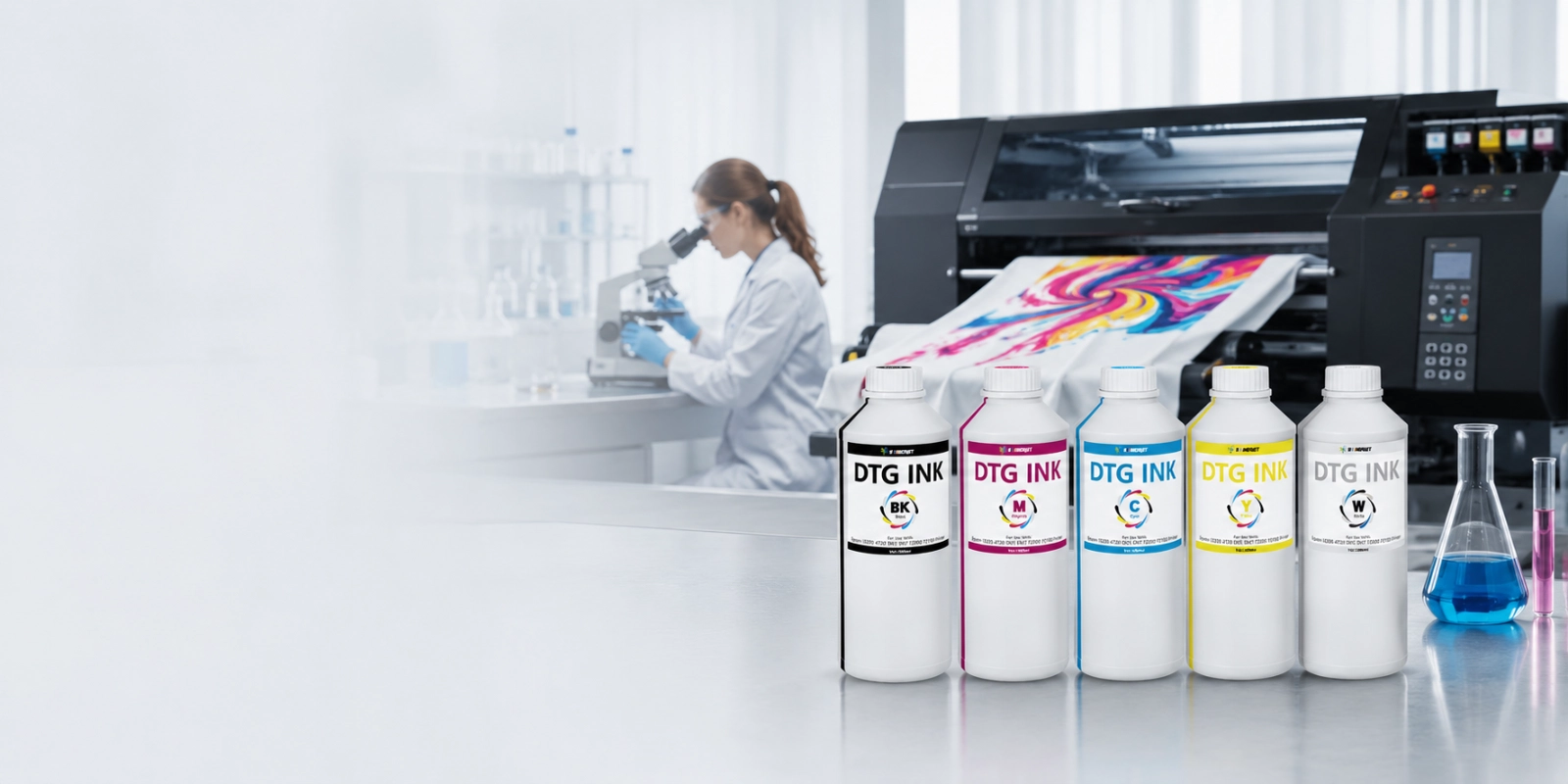
Winnerjet supplies high-quality DTF inks, DTF films, and DTF powders designed for vibrant colors and long-lasting prints. Whether you’re starting your first printing shop or upgrading your current setup, our products ensure professional results every time.
📩 Request a Free Sample or Quote Today!
❓ FAQs
Is DTF printing more expensive than sublimation?
Yes, DTF setup costs are usually higher, but it offers more flexibility in materials.
Which lasts longer — DTF or sublimation?
Both are durable, but DTF generally handles washing and stretching better on cotton fabrics.
Can sublimation work on dark fabrics?
Not effectively — it’s best for white or very light polyester materials.
Is DTF print washable?
Yes, when done correctly, DTF prints can last through many washes without peeling.
Which method is better for beginners?
Sublimation is simpler to start with, but DTF offers more product variety for growth.