In this article, we’ll explain what DTF powder is, what happens when you heat it, and how to use it safely.
| DTF Curing Parameter | Safe / Recommended Standard | Risk / Overheating Threshold | Potential Hazard / Symptoms |
|---|---|---|---|
| Curing Temp | 120°C – 140°C (248°F – 284°F) | > 160°C (320°F) | TPU polymer degradation, acrid white smoke |
| Material Base | 100% Premium Pure TPU | Low-grade recycled TPU with fillers | Strong plastic odor, heavy VOCs, throat irritation |
| Air Ventilation | Inline Fume Extractor / Carbon Filter | Closed bedroom / unventilated closet | Dizziness, respiratory discomfort, dust inhalation |
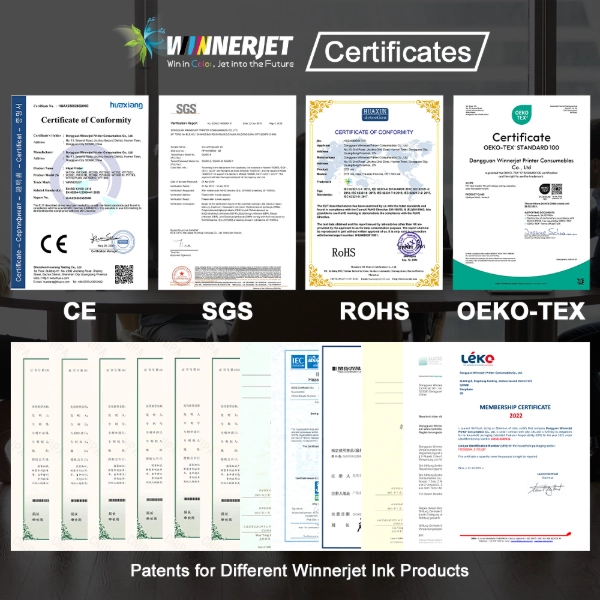
| Certifications | OEKO-TEX Eco-Passport, RoHS, SDS | Uncertified generic powder | Unknown chemical additives, heavy metals |
What Is DTF Powder?
DTF powder (also called hot melt powder) is a fine, white adhesive.
It’s used in the DTF printing process to stick your printed design onto fabric.
Here’s how it works:
- You print your design on a special film
- Sprinkle the powder on the wet ink
- Heat the film to melt the powder
- Press the design onto the fabric using a heat press
Once melted, the powder acts like glue and holds your design in place.

Is DTF Powder Toxic When Heated?
DTF powder is not toxic when used correctly.
The Chemistry of DTF Powder: Why Purity Matters
DTF adhesive powder is made of Thermoplastic Polyurethane (TPU).
At standard curing temperatures (120°C–140°C / 248°F–284°F), virgin TPU melts safely through a physical phase change without breaking chemical bonds or releasing lethal fumes.
Irritating smoke and toxic VOCs only occur if:
Overheated (>160°C / 320°F): High heat breaks down the polymer into acrid vapors and aldehydes.
Low-Grade Recycled Material: Cheap powders with chemical fillers combust at lower temperatures.
But like many plastic-based materials, heating it can create a small amount of smoke or odor, especially if:
- The powder is overheated
- You’re using it in a closed space
- The powder is of low quality or not certified
This is why it’s important to:
- Work in a well-ventilated area
- Use high-quality powder
- Avoid overheating
Winnerjet R&D Standard Winnerjet DTF powders use 100% virgin-grade TPU engineered for low-temperature curing (120°C–130°C). Free from recycled fillers and hazardous plasticizers, they reduce VOC emissions by up to 85% and fully comply with OEKO-TEX Eco-Passport and RoHS safety standards.
Does It Smell Bad?
You might notice a light smell during the heating process.
It’s often compared to the smell of melted plastic or glue.
This smell is normal and not harmful in small amounts, but you should still:
- Open a window or turn on a fan
- Avoid breathing too close to the heated film
- Cure the powder in a separate space if possible
How to Handle DTF Powder Safely: PPE & Workshop Ventilation Setup
Wear Proper PPE (N95 / Activated Carbon Respirator): Use an N95 or activated carbon mask during powder shaking to prevent micro-particle inhalation and protect against organic vapor buildup during melting.
Install Dedicated Air & Fume Extraction: For home studios or enclosed spaces, use an inline DTF fume extractor or a multi-stage air purifier equipped with HEPA and activated carbon filters to capture smoke and odors at the source.
Precise Temperature Control: Cure strictly within the recommended 120°C–140°C (248°F–284°F) window. Never exceed 160°C to prevent thermal breakdown and acrid smoke emissions.

Why Winnerjet DTF Powder Is a Safer Choice
Not all powders are made the same. Some cheap brands may release strong smells, create too much smoke, or stick poorly.
At Winnerjet, our powder is:
- ✅ Low odor and low smoke when heated
- ✅ Tested and safe to use with good ventilation
- ✅ Easy to cure at lower temperatures
- ✅ Made for smooth, strong fabric bonding
🎯 Want to test it yourself? Please request a free sample from us today.
Final Thoughts
DTF powder is not toxic when handled properly.
But to stay safe, remember:
- ✅ Don’t overheat it
- ✅ Keep your room ventilated
- ✅ Use powder from a trusted supplier
Using low-quality powder may cause more smoke, poor results, or health concerns.
👉 Need safe, high-quality DTF powder? Contact Winnerjet today for samples or help setting up your workspace.
FAQs About DTF Powder Safety
Is heated DTF powder toxic or carcinogenic?
No, standard DTF powder made from virgin Thermoplastic Polyurethane (TPU) is non-toxic and non-carcinogenic. However, heating above 160°C (320°F) causes thermal degradation, releasing irritating VOCs. Using certified pure TPU powder and proper ventilation eliminates safety risks.
Is it dangerous to breathe in DTF powder dust?
Inhaling airborne micro-powder can cause mechanical irritation to your respiratory system. Always wear an N95 or activated carbon particle mask during the manual powder shaking process to avoid micro-plastic inhalation.
Why does DTF powder smell bad when curing, and how can I reduce it?
A mild melting odor is normal. A strong, burning smell indicates overheated glue (>160°C) or low-grade recycled powder containing chemical fillers. Using Winnerjet low-odor virgin TPU powder and curing at 120°C–140°C minimizes odor output.
Can I cure DTF powder at home or in an enclosed garage?
Yes, provided you do not work in a completely closed room. You must set up an inline fume extractor with HEPA and activated carbon filtration, or position an exhaust fan near an open window to vent curing fumes outside.
What safety certifications should I check when buying DTF powder?
Always request an SDS/MSDS (Safety Data Sheet) from the manufacturer and verify compliance with OEKO-TEX Eco-Passport or RoHS standards. These certify that the powder is free from heavy metals, formaldehyde, and toxic plasticizers.