Last Updated: September 16, 2026
Using the wrong ink doesn’t just mean dull colors—it means ruined garments, clogged printheads, and lost revenue. As a direct ink manufacturer supporting global print businesses for nearly two decades, our engineering team frequently troubleshoots the classic dilemma: pigment ink vs sublimation ink. In this guide, we dive into the core differences, substrate compatibilities (cotton vs polyester), and technical setups so you can invest in the right ink system with total confidence.
What Is Pigment Ink?
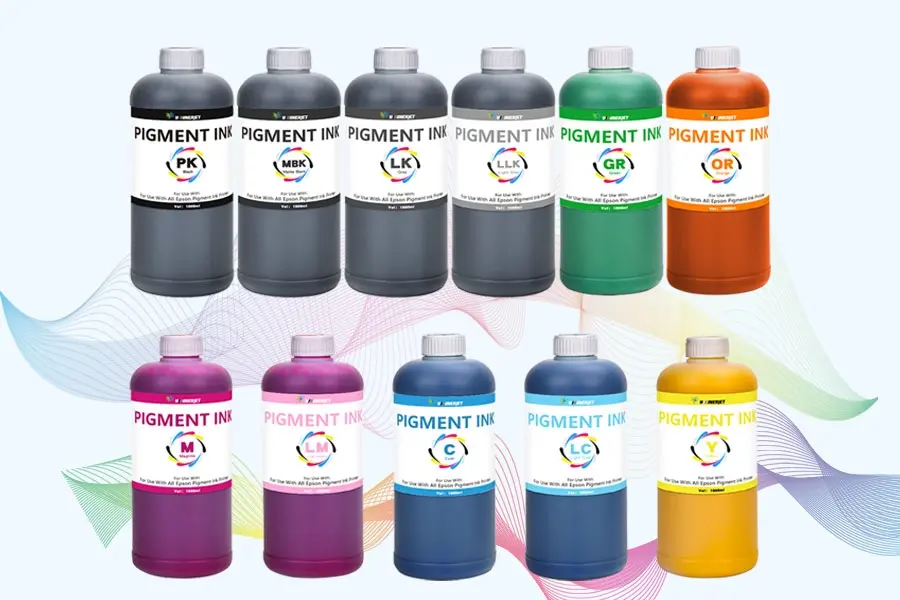
Pigment ink consists of tiny solid color particles suspended in liquid. Instead of soaking deep into fibers like dye inks, these particles sit on the material’s surface and bond with resin binders once dry.
High Durability: Exceptional UV and water resistance; will not bleed or fade over time.
Sharp Detail: Delivers crisp edges on plain paper, photos, and fabrics.
Common Types You’ll Encounter: Photo & Document Pigment Ink, Textile Pigment Ink (DTG & DTF), Signage Pigment Ink (Eco-Solvent / UV).
For apparel printing, “pigment ink” almost always refers to textile inks (DTG/DTF) used on natural cotton, directly contrasting with sublimation ink used on polyester.
👉 Example: Winnerjet’s pigment inks for Epson and Canon printers are formulated for stable color output, smooth flow, and excellent fade resistance — trusted by many print studios and photographers worldwide.
What Is Sublimation Ink?
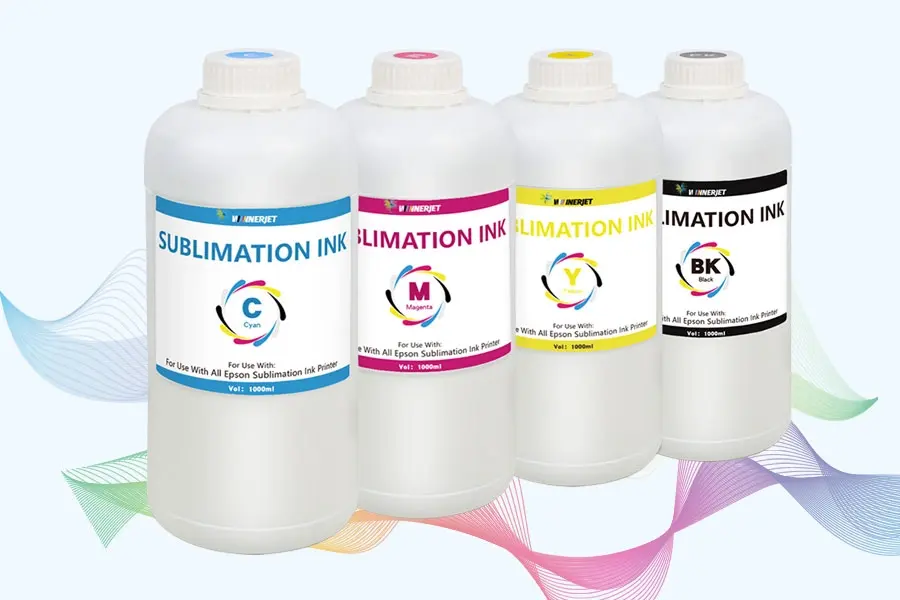
Sublimation ink works differently. It’s a dye-based ink that turns into gas when heated and bonds permanently with polyester-coated surfaces.
Main traits of sublimation ink:
- Extremely vivid colors and smooth gradients.
- Permanent prints that won’t crack or peel after washing.
- Designed for polyester fabrics and coated products like mugs, tumblers, and phone cases.
👉 Example: Winnerjet sublimation ink offers rich, consistent colors and low-clogging performance for both small studios and industrial sublimation printers.
Is Pigment Ink The Same As Sublimation Ink: A Complete Comparison
| Feature | Pigment Ink | Sublimation Ink |
|---|---|---|
| Ink Type | Pigment-based (solid particles) | Dye-based (heat-activated) |
| Best For | Paper, cotton, signage | Polyester fabrics, coated surfaces |
| Color Vibrancy | Natural and stable | Bright and vivid |
| Water Resistance | Excellent | Moderate |
| Fade Resistance | High (UV-proof) | Medium |
| Durability | Long-term archival | Permanent after transfer |
| Printer Type | Inkjet printers (Epson, Canon) | Sublimation printer (converted Epson, etc.) |
| Maintenance | Low | Requires heat press and ICC setup |
| Typical Users | Office, photo, textile paper printing | Apparel, mug, gift printing businesses |
Sublimation Ink VS Pigment Ink For Textiles
Your decision depends mainly on what you print and what materials you use.
- ✅ Choose Pigment Ink if you print on:
- Cotton fabrics
- Documents and photos
- Matte or glossy paper
- Outdoor signs requiring fade resistance
- ✅ Choose Sublimation Ink if you print on:
- Polyester t-shirts or sportswear
- Mugs, tumblers, or metal panels
- Phone cases or coated gifts
💡 Pro Tip: Never use pigment ink in a sublimation printer or vice versa. These inks have different chemical structures and require specific printer settings and heat profiles.
Can You Sublimate on Cotton?
Sublimation ink requires polymer molecules to open up under heat and trap the gaseous dye. Because natural cotton fibers lack polymers, sublimation ink simply washes out. Here is a quick breakdown of how both inks handle different materials:
| Substrate Type | Pigment Ink Result | Sublimation Ink Result | Best Printing Method |
|---|---|---|---|
| 100% Cotton | Bonds to fiber surface; sharp and wash-durable | Fails; washes out completely (no synthetic bond) | Pigment Ink (DTG / DTF / Dark Transfer Paper) |
| Poly-Blends (50/50) | Good adhesion on cotton portions | Vintage/faded look (only bonds to poly fibers) | Pigment Ink (vibrant) or Sublimation (vintage style) |
| 100% Polyester | Moderate; can feel stiff without special coating | Permanent, breathable, vibrant (gas permeates fibers) | Sublimation Ink |
| Polymer-Coated Blanks (Mugs, Metal) | Not recommended (scratches/peels off easily) | Permanent, glossy, dishwasher-safe transfer | Sublimation Ink |
Common Mistakes When Comparing or Switching Inks
- Mixing pigment and sublimation inks in the same printer.
- → Always flush the printer completely before switching.
- Using sublimation ink for standard paper printing.
- → It won’t dry properly and may damage your printhead.
- Skipping ICC profiles.
- → Without proper color management, you’ll get mismatched tones.
- Printing on the wrong media type.
- → Sublimation requires coated materials; pigment works best on cotton or paper.
- Ignoring printer compatibility.
- → Check your printer head type and ink specifications before purchase.
🧪 Winnerjet Tip: When switching inks, always run a head flush to remove old residue — this prevents clogging and ensures color accuracy.
Print With Confidence Using Winnerjet Inks
Winnerjet provides both pigment and sublimation inks for professional and industrial printing applications.
Our inks are engineered for:
- Smooth ink flow and printhead safety
- High color accuracy with ICC profile support
- Excellent stability and anti-fade performance
Whether you print t-shirts, mugs, or signage, you’ll get consistent, vibrant results every time.
👉 Request a Free Sample to find the right ink set for your printer.
Which Ink Wins for You?
Printing NeedRecommended Ink
Long-lasting photos and documents Pigment Ink
Cotton fabric printing Pigment Ink
Polyester apparel and coated products, Sublimation Ink
Bright, vivid gift printing Sublimation Ink
Both inks are professional-grade — the key is matching the right ink to the right substrate.
For durable, color-accurate results, choose Winnerjet inks, tested for consistency and trusted by print professionals worldwide.
Need Reliable Inks for Your Printing Business?
Print with confidence using Winnerjet’s professional pigment and sublimation inks — engineered for smooth flow, long-lasting color, and consistent quality.
FAQs: Pigment Ink vs Sublimation Ink
Can inkjet ink (dye or pigment) be used for sublimation?
No, standard inkjet ink cannot be used for sublimation printing. Sublimation requires specialized heat-activated disperse dye particles that turn into gas at high temperatures (around 190°C–205°C) to bond with polyester fibers. Regular pigment or dye ink lacks this chemical formulation; when heated, it will simply scorch, burn, or fail to transfer onto the substrate.
Can I put pigment ink in an Epson EcoTank printer?
Yes, you can use pigment ink in an Epson EcoTank printer, provided the printer is compatible or thoroughly flushed. Epson Micro Piezo printheads handle pigment ink well. However, if your EcoTank originally ran dye-based inks, you must run a full system flush with cleaning fluid before filling it with pigment ink to prevent immediate particle coagulation and nozzle clogging.
Can I use sublimation ink for regular paper printing?
Technically yes, but it is highly impractical and not recommended. Sublimation ink printed on regular copy paper appears dull, desaturated, and brownish because its true colors only activate under high heat. Additionally, sublimation ink takes longer to dry on plain paper, which causes ink smudging, roller marks, and unnecessary ink waste.
What are the main disadvantages of using sublimation ink?
The primary limitation of sublimation ink is substrate restriction.
No 100% Cotton: It cannot bond to natural organic fibers like cotton, linen, or dark-colored fabrics.
Polymer-Dependent: It requires minimum 65%+ polyester content or poly-coated hard blanks (mugs, tumblers, metals).
No White Ink: Sublimation printers lack white ink, meaning you cannot print vibrant images onto dark or black substrates without a white underbase method.
Can I use pigment or dye ink on sublimation paper?
No, regular ink will ruin both the sublimation paper and your project. Sublimation transfer paper features a specialized micro-porous polymer emulsion layer engineered exclusively to hold and release gaseous disperse dyes under heat. Standard pigment or dye inks cannot interact with this coating properly, leading to ink pooling, extreme bleeding, and complete transfer failure.