Want to start your own t-shirt printing business? DTG (direct-to-garment) printing is one of the easiest ways to create custom t-shirts with bright, detailed designs. Whether you want to sell online, offer custom orders, or start small from home, this guide will walk you through everything you need to know.
👕 What Is DTG Printing and Why Choose It?
DTG printing is like using an inkjet printer, but instead of paper, you print directly on fabric, usually t-shirts. It works great for:
- Full-color photos or detailed graphics
- Printing small orders, even just one shirt
- Fast production without needing screens or plates
If you’re starting fresh and want to keep it simple, DTG is perfect.
🛠️ What You Need to Start a DTG Printing Business
Here’s what you need to get started:
✅ DTG Printer
This is the main machine you’ll use to print designs onto shirts. Some popular beginner-friendly models are:
- Epson F2100
- Brother GTX
🔗 Want to see DTG printer options? Check out Winnerjet’s DTG printers
✅ DTG Ink
Special ink that soaks into the fabric. Make sure the ink is made for your printer brand.
💧 See our DTG inks for Epson
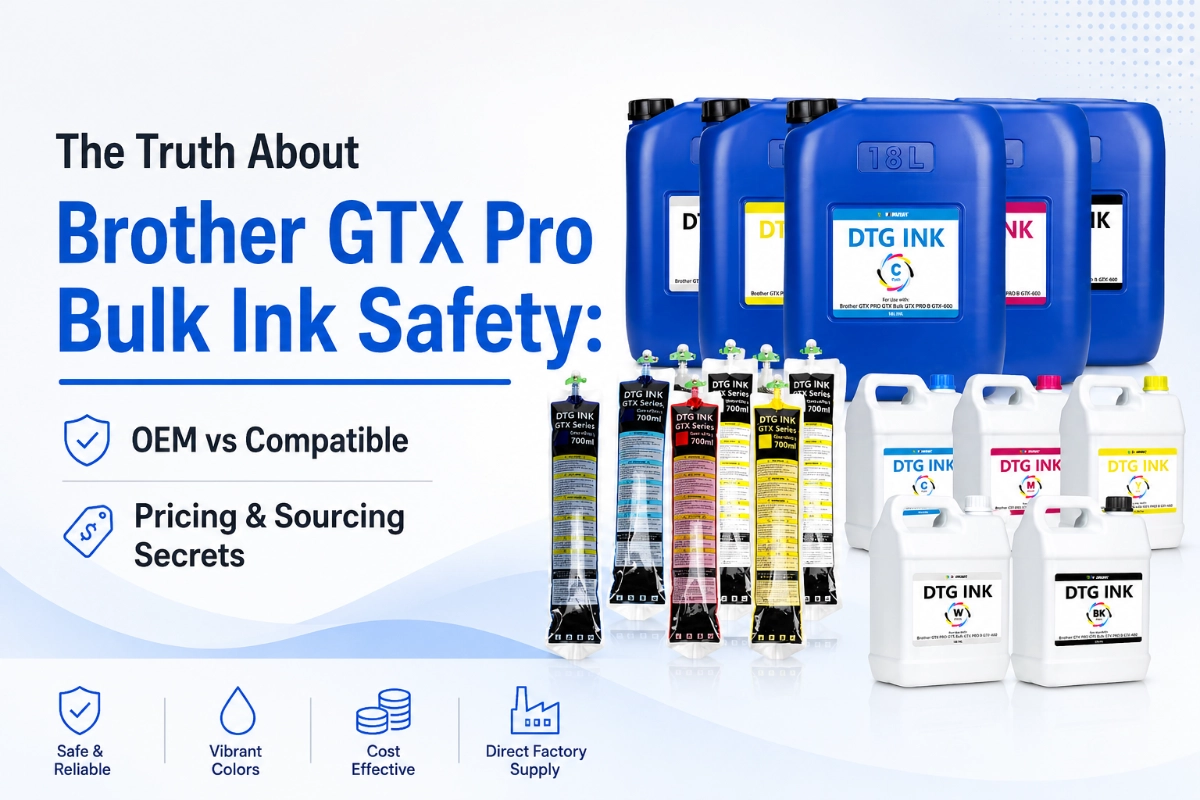
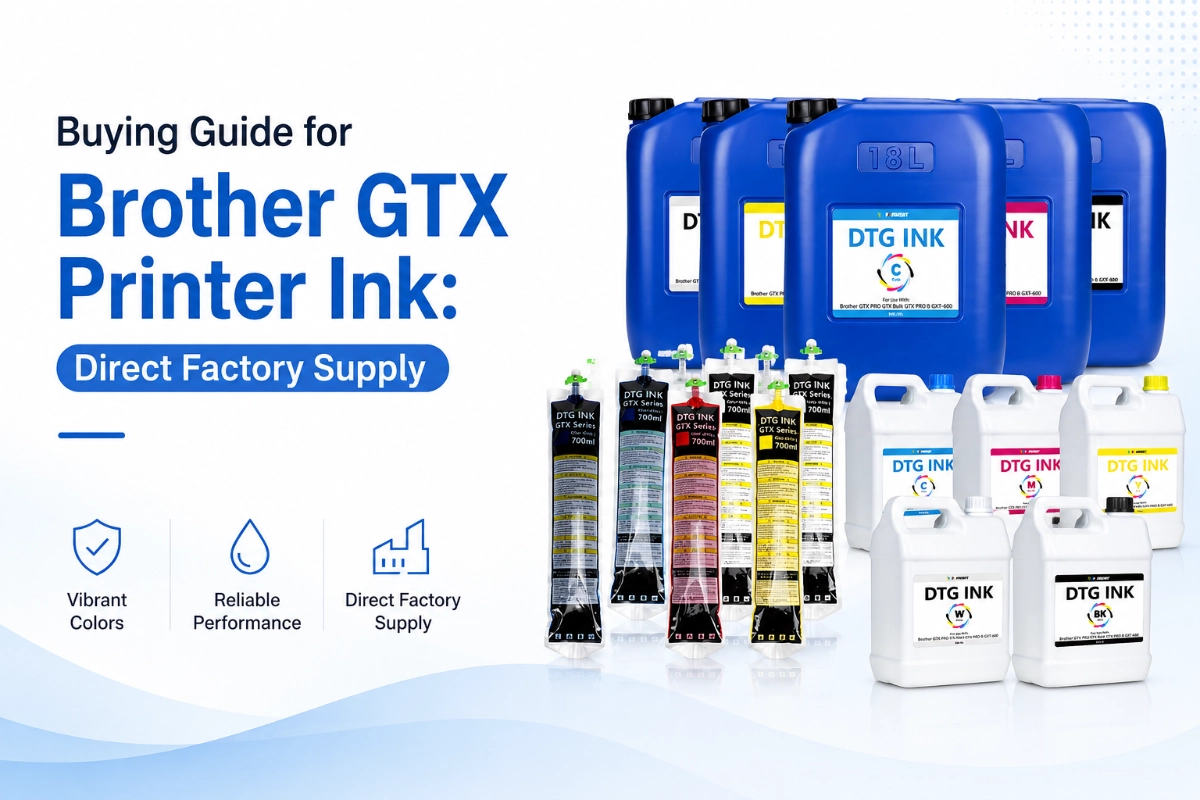
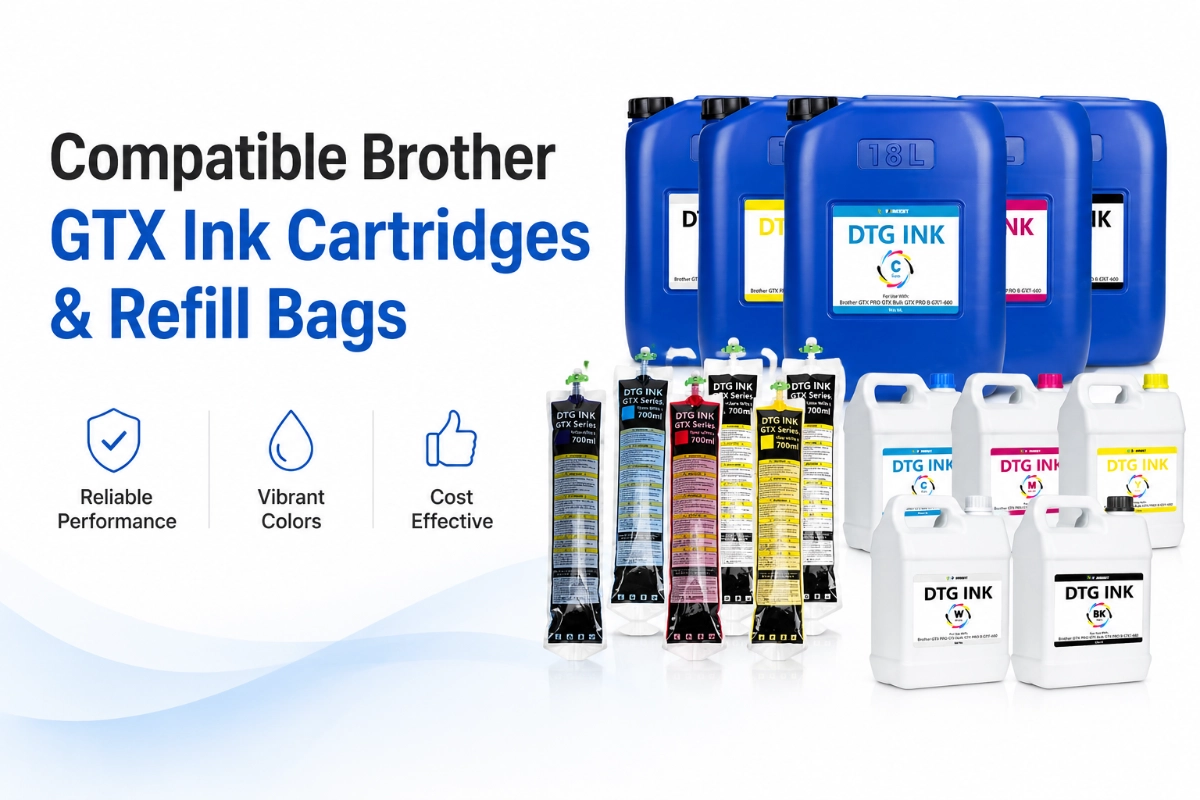
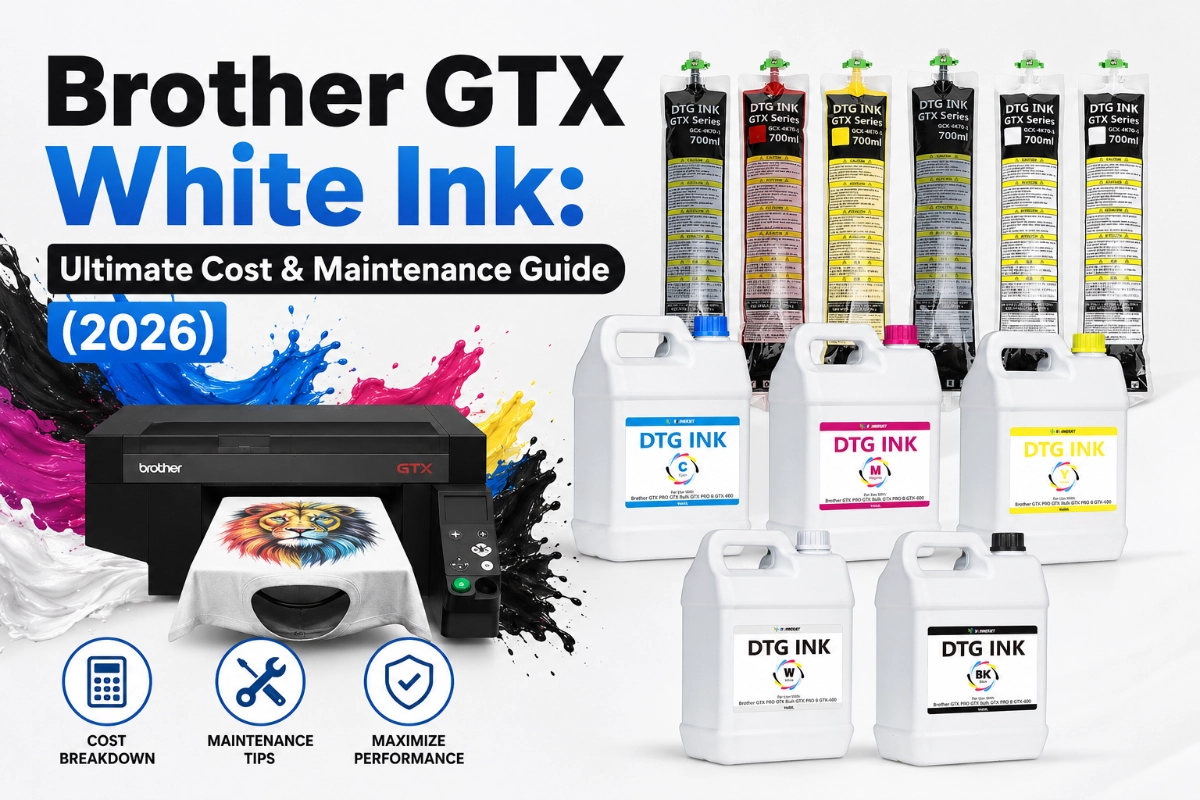
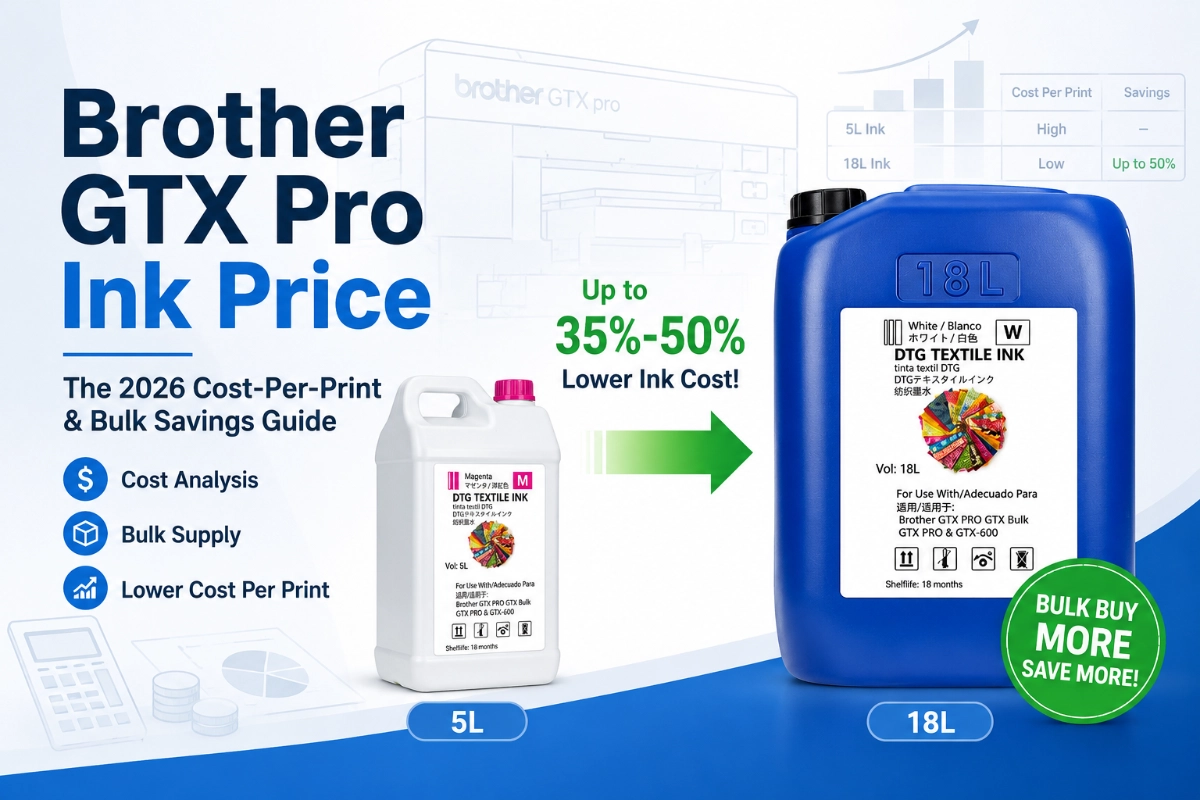
💧 See our GTX inks for Brother
✅ Pretreatment (for dark shirts)
Before printing on dark t-shirts, you need to spray a clear liquid so the ink stays sharp and colorful.
✅ Heat Press
This machine helps dry the ink after printing and makes the design stick to the fabric.
✅ Blank T-Shirts
Choose high-quality 100% cotton shirts—they give the best results for DTG printing.
✅ Software (RIP Software)
This program helps your printer understand how to print your design. It usually comes with your printer.

💰 How Much Does It Cost to Start?
Here’s a simple cost breakdown:
| Item | Estimated Cost |
|---|---|
| DTG Printer | $5,000 – $20,000 |
| Inks & Supplies | $300 – $800 |
| Pretreatment Machine | $1,000 – $3,000 |
| Heat Press | $300 – $1,500 |
| Blank Shirts | $200+ (for stock) |
| Design Software | $200 – $1,000 |
➡️ Total estimated startup cost: $7,000 – $25,000
🧾 How to Start Your DTG Business (Step-by-Step)
1. Pick Your Target Market
Will you sell funny quotes, local pride, sports themes, or pet lovers’ shirts? Pick a niche that excites you.
2. Build Your Brand
Choose a name, design a logo, and set up social media or a website.
3. Buy the Right Equipment
Start with the basics. Upgrade as your business grows.
4. Set Up Your Workspace
A clean room with good air circulation is important, especially when spraying pretreatment.
5. Choose Quality Shirts
Good shirts = happy customers and better prints.
6. Create Cool Designs
Use Canva, Photoshop, or any design tool to make your artwork.
7. Print Sample Shirts
Test print a few shirts before you sell to make sure the colors and sizes look great.
8. Open Your Online Store
Try platforms like Shopify, Etsy, or even your website.
9. Promote Your Brand
Use Instagram, TikTok, or Facebook to share your designs and attract buyers.
10. Offer Great Customer Service
Quick replies, careful packaging, and easy returns help build trust.
💡 Helpful Tips for Beginners
- Clean your printer every week to keep it working well
- Store inks in a cool place to avoid clogs
- Offer small-batch custom orders to attract new customers
- Use bundles or sets to increase your profits
- Ask for customer reviews to build your reputation
✅ Final Thoughts
Starting a DTG t-shirt printing business is easier than you might think. With the right tools, good shirts, and creative ideas, you can turn your passion into profit.
🎯 Ready to take the first step? Contact Winnerjet to get expert help and order high-quality DTG printing supplies.
📚 FAQ
Can I start with just a printer and heat press?
Yes! For light shirts, that’s all you need. You can add a pretreatment machine later if needed.
Is DTG cheaper than screen printing?
DTG is better for small orders. Screen printing is cheaper only for big batches.
How long do DTG prints last?
With proper washing, they last over 50 washes and still look good.
What kind of images work best?
Photos, gradients, and colorful designs look amazing with DTG.
How can I save money on printing?
Buy in bulk, print on demand, and reduce waste with careful planning.