In today’s modern business environment, printing equipment remains a mission-critical component of corporate infrastructure. As a global leader in imaging solutions, Lexmark has become the brand of choice for financial services, healthcare, government, and multinational corporations due to its exceptional durability, robust security, and high-volume output capabilities.
However, for Procurement Managers and IT Directors, purchasing the printer is only the beginning. The real challenge lies in identifying and managing reliable Lexmark printer cartridge suppliers. Consumables not only account for over 70% of the Total Cost of Ownership (TCO) but also directly impact hardware longevity and data security.
This guide provides an in-depth analysis of how to vet the best Lexmark supply partners across four dimensions: market trends, supplier evaluation metrics, technical compatibility, and cost-control strategies.
I. The 2026 Lexmark Consumables Market Landscape
As we move through 2026, the imaging industry has undergone a profound transformation. With the rapid evolution of firmware technology and increasing corporate mandates for “carbon footprint” tracking, choosing a supplier is no longer just about “price shopping”—it is about technical prowess and compliance.
1.1 OEM Remains the Gold Standard for Stability
Original Equipment Manufacturer (OEM) cartridges from Lexmark, featuring patented Unison™ Toner technology, offer an unparalleled advantage in print consistency and machine maintenance. For high-end clients seeking Lexmark printer cartridge suppliers, OEM partners provide the most reliable guarantee of zero-downtime performance.
1.2 The Evolution of the Compatible Market
The aftermarket landscape of 2026 has moved past low-quality competition. Due to Lexmark’s continuous upgrades in chip encryption, only top-tier suppliers with significant R&D capabilities can produce compatible cartridges that bypass firmware lockouts and deliver honest, advertised page yields.
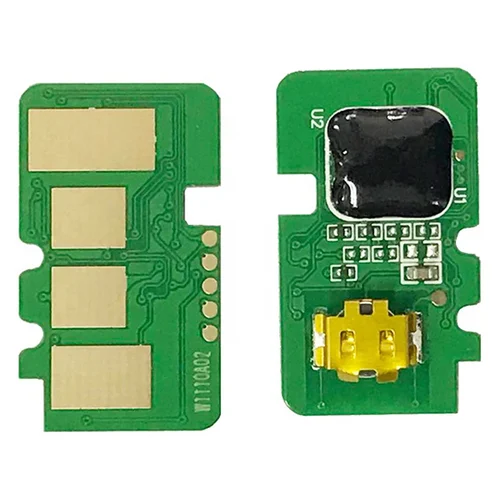
1.3 Reliable Lexmark Chips: Our Core Advantage
If you have experience using Lexmark printers, you are undoubtedly well aware of the greatest challenge involved: firmware lockouts. Lexmark frequently updates its printer firmware to prevent the recognition of non-original (non-OEM) cartridges. This is precisely where many “budget” suppliers ultimately fail—their chips often become completely non-functional overnight.
For distributors, partnering with a supplier that possesses a deep understanding of Lexmark’s chip encryption mechanisms translates directly into lower product return rates and enhanced customer loyalty. Click here to learn more about our chip solutions →
II. The Core Debate: OEM vs Compatible Suppliers?
When searching for Lexmark printer cartridge suppliers, you will face two primary choices. Understanding their fundamental differences is the first step in crafting your procurement strategy.
2.1 The Value of OEM (Original) Suppliers
Choosing an OEM supplier is more than just buying a product; it is an investment in protecting your company’s printing assets. First, superior image processing is driven by proprietary Unison™ Toner. Its unique spherical particles reduce friction on internal components and offer excellent flow, significantly extending the life of the fuser. Second, Security is the “moat” of OEM supplies. Lexmark embeds strict supply chain security protocols into the hardware; only original cartridges pass digital signature verification, ensuring the printer is not compromised by malicious third-party firmware, thereby reducing the risk of network attacks. Finally, OEM suppliers fully support the Lexmark Cartridge Collection Program (LCCP), helping businesses meet their Corporate Social Responsibility (CSR) goals through established recycling channels.
2.2 The Advantages of Premium Compatible Suppliers
For organizations focused on aggressive cost-efficiency, choosing high-quality compatible Lexmark printer cartridge suppliers can yield significant financial returns. The most immediate value is Cost Savings: certified compatible supplies are typically 30% to 60% cheaper than OEM versions, which can save high-volume users in logistics, education, or retail thousands of dollars annually. Furthermore, Local Service is a major differentiator; unlike the long lead times of official channels, mid-sized local suppliers often provide “Just-in-Time” delivery and on-site installation. Additionally, Remanufactured options are a core competitive edge. Premium remanufacturers utilize a rigorous process to recycle original Lexmark shells, drastically reducing plastic waste. If your office manages a mixed fleet, we also offer HP, Canon, and Brother supply solutions for your reference.
| Dimension | OEM Suppliers | Premium Compatible Suppliers |
|---|---|---|
| Print Quality | Exceptional, 100% Consistent | Excellent (95%+ of OEM quality) |
| Cost Per Page | Higher | Very Low |
| Warranty | Zero Risk | Requires 3rd-party liability insurance |
| Best Use Case | Financials, Contracts, Marketing | Internal docs, shipping labels, handouts |
3.3 Top 3 Lexmark Printer Cartridge Suppliers Comparison
When purchasing Lexmark cartridges in bulk, it is crucial to compare different types of suppliers, depending on the scale of your business:
| Supplier Type | Key Advantages | Best For |
|---|---|---|
| Original Brand (Lexmark) | 100% Guaranteed compatibility; premium image quality. | Government contracts & high-end corporate clients. |
| Large Scale Platforms | Massive variety of price points; easy to compare multiple vendors. | |
| Professional Manufacturers (Winnerjet) | Stable chip technology, factory-direct pricing, and OEM/ODM support. | Distributors and Refill centers needing consistent quality & fast restock. |
III. How to Choose a Lexmark Ink Cartridge Supplier
If you are vetting Lexmark printer cartridge suppliers on Google or B2B platforms, price alone is a dangerous metric. Low prices often mask high failure rates and exaggerated page yields. Use these five quantitative metrics for a professional evaluation:
1. Industry Certifications
A professional supplier must provide transparent compliance records. The STMC Certification (Standardized Test Methods Committee) is the “gold standard.” Referring to the STMC Wikipedia entry regarding testing specifications shows that only certified cartridges provide honest, verified page yields. Other essential credentials include:
ISO 9001/14001: Proving quality and environmental management standards.
REACH & RoHS: Ensuring the toner is free from lead, mercury, or harmful plasticizers—critical for corporate environmental audits.
2. Chip Technology and Firmware Resilience
Lexmark is known for its aggressive firmware update strategy. Many inferior compatible products fail instantly after an automatic printer update. Leading suppliers must have an in-house chip R&D team capable of reverse-engineering encryption protocols to provide firmware-resilient solutions, ensuring uninterrupted performance regardless of official updates.
3. Depth of Product Portfolio
A capable supplier should offer a one-stop solution for the entire Lexmark lineup:
Color Series: Support for entry-level machines like the CS331/CX431 up to high-end production units like the CS725/CX825.
Monochrome Series: Coverage for high-frequency office models like the MS331/MX431 and heavy-duty enterprise units like the MS821/MX822.
SMB Desktop Units: High-yield options for the B2236, MB2236, and B3442 to lower the cost per page.
4. Supply Chain Stability and Inventory
In B2B procurement, “In-Stock” status is more important than price. Evaluate the supplier’s warehouse footprint: Do they have local hubs? Do they offer 24-48 hour delivery during peak seasons? Do they provide real-time order tracking?
5. Managed Print Services (MPS)
In 2026, the “transactional” model is being replaced by MPS. Top-tier suppliers now offer:
Auto-Replenishment: Software that monitors toner levels and places orders automatically.
Health Diagnostics: Monitoring hardware wear (like the Drum unit) to predict maintenance needs.
Consolidated Billing: Turning fragmented purchases into a single monthly report to lower administrative overhead.
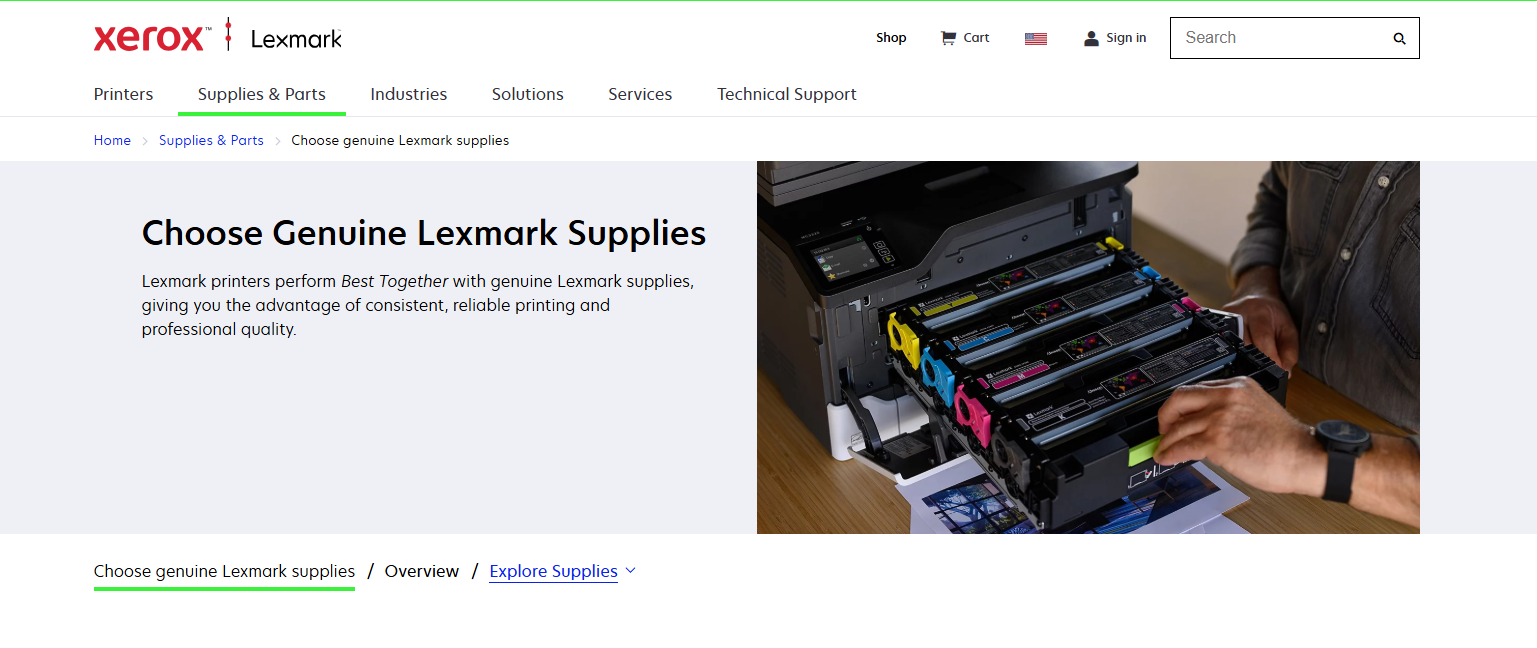
IV. The Importance of Lexmark Unison™ Toner
When vetting suppliers, you must ask about their toner technology. The secret to Lexmark’s stability in high-load environments lies in Unison™ Toner.
4.1 Spherical Structure: Hardware Protection
According to Lexmark technical standards, Unison™ Toner is fundamentally different from generic options.
Low Friction: Its nearly perfect spherical structure minimizes friction between particles and internal components like the imaging drum.
Fuser Longevity: Because spherical particles flow better, they melt at lower temperatures. This allows the fuser to operate with less heat, significantly extending its life.
Consistent Output: This technology ensures uniform print quality from the first page to the last, eliminating the need to “shake” the cartridge when it’s low.
4.2 The Dangers of “Crushed Toner”
Low-end suppliers often use Crushed Toner, which is mechanically fractured and irregularly shaped:
Drum Wear: Sharp particles act like sandpaper, wearing down the drum coating and causing streaks or background “graying.”
Waste Overflow: Poor transfer rates lead to excessive waste toner, which can overflow the waste bin and contaminate delicate sensors.
4.3 Procurement Tip: “Is it CPT?”
If evaluating compatible suppliers, ask if they use Chemical Produced Toner (CPT). CPT is “grown” at the molecular level and most closely mimics Unison™ technology. Understanding Laser Printing fundamentals makes it clear: only structurally stable toner prevents “dusting” or leaks during high-speed printing.
V. How to Optimize Lexmark Procurement Costs
Procurement experts can use the following strategies to negotiate with suppliers:
- Tiered Procurement: Use OEM supplies for critical departments (Finance, Design) and vetted compatibles for general administrative use.
- Lock in Extra High Yield: Lexmark offers Standard, High Yield, and Extra High Yield options. The latter typically reduces the cost per page by over 25%.
- Framework Agreements: Negotiating annual contracts based on estimated volume can often secure 5% to 15% in rebates or discounts.
VI. Conclusion
In 2026, finding Lexmark printer cartridge suppliers has evolved from a simple search for “ink and toner” into a search for a strategic partner. A superior supplier provides not just high-quality imaging products, but also the technical support and green initiatives that drive modern business efficiency. Whether you are an OEM loyalist or a cost-conscious startup, vetting suppliers through this framework will ensure your Lexmark fleet remains a high-performing asset for years to come.
Frequently Asked Questions (FAQ)
Q1: Will using non-Lexmark cartridges void my warranty?
A: In the United States, under the Magnuson-Moss Warranty Act, a manufacturer cannot void your warranty solely for using third-party supplies. However, if a low-quality cartridge directly causes damage, the repair may not be covered. This is why choosing a supplier with product liability insurance is critical.
Q2: Why does my Lexmark printer show a "Non-Genuine Toner" alert?
A: This is a standard firmware detection message. High-quality suppliers use chips that bypass or acknowledge this protocol; you can typically click “Continue” or “OK” to proceed with printing.
Q3: How do I verify if a Lexmark cartridge is genuine?
A: Check the security hologram label on the packaging and scan the QR code with your smartphone. Genuine labels feature color-shifting properties and 3D depth movement when tilted.
Q4: How long does it take to receive bulk Lexmark cartridge orders?
A: It depends on your location. Small orders are shipped via express courier (3–5 business days); large international orders (OEM/ODM) are shipped directly from the factory, utilizing professional air or sea freight to ensure you secure the most competitive wholesale prices and the shortest delivery times.
Q5: Will these compatible Lexmark cartridges work after a firmware update?
A: Yes. Winnerjet uses highly stable chip technology to bypass Lexmark “firmware locks.” Our 2026 series is rigorously tested for MS/MX and CS/CX series, ensuring 100% recognition and uninterrupted operation for your business.