What Is Sublimation Ink and How Does It Work?
Sublimation ink is a specialized water-based disperse dye ink designed for synthetic materials like polyester. Unlike conventional inks that deposit a surface layer, sublimation ink penetrates and permanently bonds with polymer fibers at the molecular level, ensuring prints that never peel, crack, or fade.
The Sublimation Process
Print: The design is mirrored onto sublimation paper, where the dye dries into stable solid particles.
Heat & Pressure: The transfer is pressed against polyester or a polymer-coated blank at 190°C–210°C (375°F–410°F) for 30–60 seconds.
Gas Transition: Intense heat causes the solid dye to instantly vaporize into a gas without turning liquid, while expanding the polymer pores.
Molecular Infusion: The gasified dye penetrates the open fibers. As the material cools, the pores close, trapping the color permanently inside.
Because the dye infuses into the fiber rather than sitting on top, sublimated fabric maintains 100% breathability and a natural, zero-feel texture.
Watch Complete Sublimation Printing & Heat Transfer Demo
Curious about how sublimation ink transitions from liquid dye into a permanent textile print?
Watch our hands-on walkthrough to see exactly what sublimation ink is used for in custom apparel printing, demonstrating the full transfer process from paper to fabric using an Epson SureColor F170 desktop sublimation printer:
- [00:01] Digital Printing: Setting up CMYK color profiles and printing mirrored color charts and high-resolution photo sheets onto sublimation transfer paper.
- [01:41] Heat Press Calibration: Pre-heating the flatbed heat press to approximately 200°C (392°F) for optimal disperse dye activation.
- [02:02] Fabric Transfer & Curing: Aligning the printed transfer sheet against white polyester fabric and applying consistent pressure for 45–60 seconds.
- [02:23] Final Result Inspection: Peeling the transfer sheet to reveal a vivid, photographic finish with smooth color gradients, zero surface residue, and full fabric stretchability.
Common Applications of Sublimation Inks
✅ 1. Apparel & Textiles
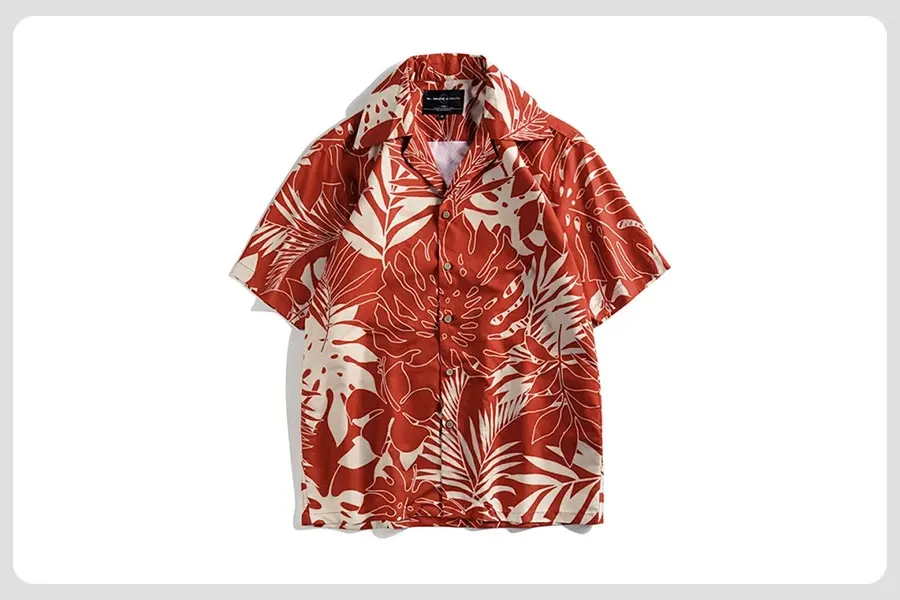
Sublimation ink is widely used to decorate:
- Polyester t-shirts
- Sportswear and team jerseys
- Activewear and leggings
- Uniforms and fashion items
Because the ink bonds with the fibers, the result feels smooth and breathable — not like a layer on top.
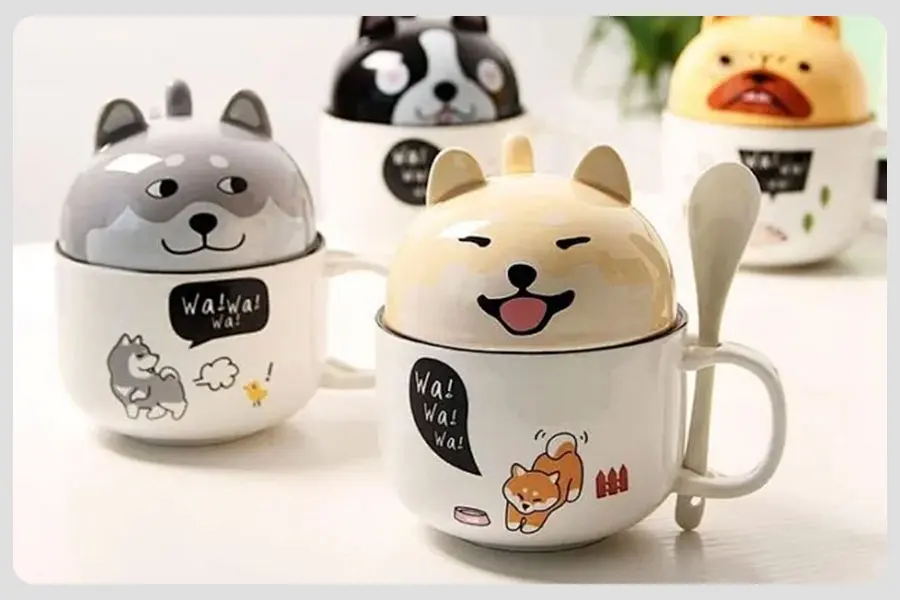
✅ 2. Drinkware & Hard Substrates
Many businesses use sublimation for:
- Mugs and ceramic cups
- Stainless steel or polymer-coated tumblers
- Water bottles
- Coasters and keychains
These items only need a polyester or polymer coating to work with sublimation.
✅ 3. Home & Lifestyle Products
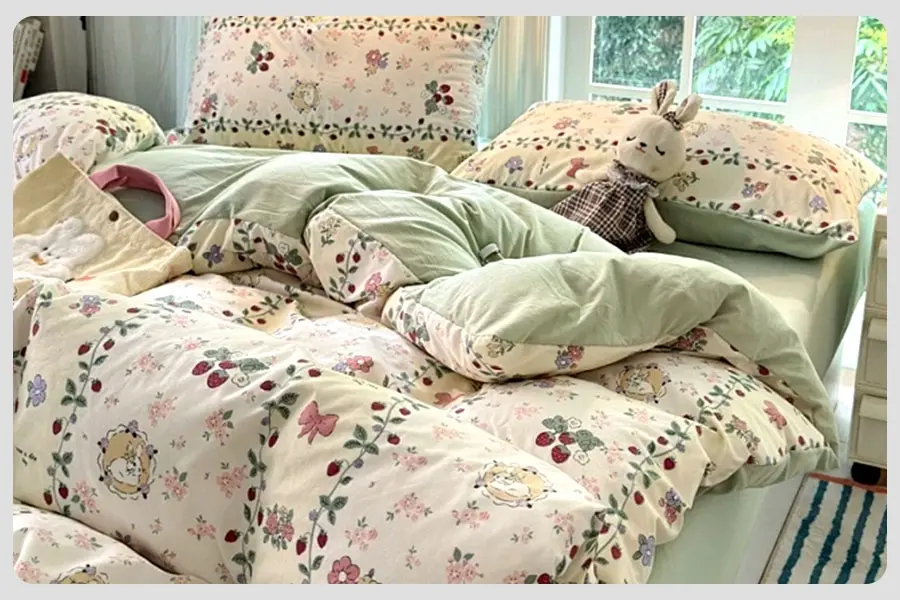
Great for custom interior products like:
- Pillow covers
- Blankets
- Curtains
- Mouse pads
- Fabric banners
✅ 4. Personalized & Promotional Goods
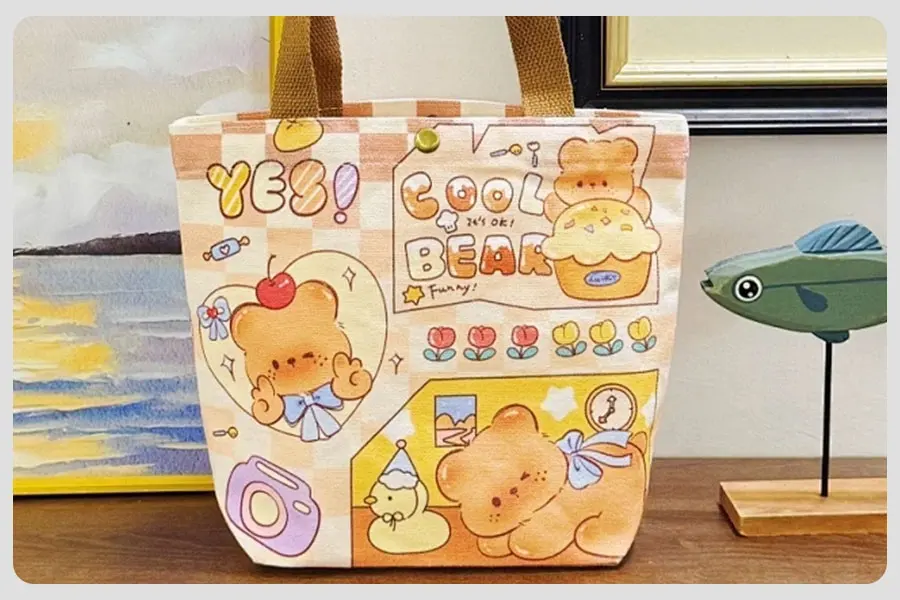
Perfect for small orders, events, or branding:
- Phone cases
- Name tags and badges
- Photo panels
- Keychains
- Souvenirs
What Materials Are Compatible with Sublimation Ink?
To get the best results, sublimation ink must be used on:
- Polyester fabrics (at least 60% polyester content)
- Polymer-coated blanks, like mugs or metal plates
- Light-colored surfaces — prints won’t show well on dark items
⚠️ Cotton and uncoated materials don’t absorb sublimation ink properly unless using a special coating or transfer workaround.
Sublimation Ink vs Pigment Ink: Quick Comparison
To choose the right chemistry for your production workflow, here is how sublimation ink compares to standard water-based pigment ink:
| Feature / Metric | Sublimation Ink | Regular / Pigment Ink |
|---|---|---|
| Compatible Materials | Polyester fabrics (≥60%), polymer-coated hard substrates (mugs, tumblers, metal plates) | 100% Cotton, blended fabrics, uncoated plain paper, canvas |
| Print Mechanism | Chemical infusion (dye gasifies and bonds inside synthetic fibers) | Surface adhesion (pigment particles sit on top of fibers with binder) |
| Hand Feel & Breathability | Zero-feel, 100% breathable (no ink layer on surface) | Slight to moderate texture (heavier hand feel on textiles) |
| Wash Fastness | Permanent; will not peel, crack, or fade over time | Good, but subject to gradual fading or cracking after frequent washes |
| Hardware Required | Sublimation printer + heat press / calendar press | Standard desktop/commercial inkjet printer or DTG flatbed |
| Production Cost | Very low ink and paper cost per transfer; requires heat press | Economical for direct printing; higher cost if using DTG pre-treatment |
Key Benefits of Using Sublimation Ink
Here are the top reasons it’s preferred over many other printing methods:
- Bright and vivid color output
- Prints that don’t peel or crack
- Soft, lightweight finish on fabric
- High-resolution detail
- Great for both bulk and custom jobs
Whether you’re printing 10 pieces or 10,000, sublimation ink keeps quality consistent.
Industries That Use Sublimation Printing
You’ll see sublimation in many industries, such as:
- Fashion and sportswear
- Promotional merchandise
- Gifts and souvenirs
- Corporate branding
- Home decor manufacturing
- Photo printing services
It’s versatile enough for both niche businesses and larger factories.
Why Ink Quality Matters (and Where Winnerjet Fits)
The wrong sublimation ink can lead to faded prints, clogged heads, or color inconsistency. That’s why many businesses look for:
- Stable color performance
- Clog-resistant formulas
- Compatibility with Epson and Ricoh printers
- Fast transfer and curing
Winnerjet’s sublimation ink is designed for high-volume printing without sacrificing clarity or durability — ideal for apparel, mugs, and hard substrates.

Conclusion
Sublimation ink is used to print long-lasting designs onto polyester fabric and coated items like mugs, tumblers, and promotional products. It’s a top choice for businesses producing vivid, durable custom merchandise.
👉 Need high-quality sublimation ink for apparel, mugs, or promotional products? Contact Winnerjet for samples or wholesale pricing.
FAQs — Sublimation Ink Used For
What can you use sublimation ink on?
Sublimation ink works exclusively on polyester-based fabrics (at least 60% polyester content) and polymer-coated rigid blanks. Common applications include sportswear, polyester apparel, ceramic mugs, stainless steel tumblers, mouse pads, metal photo panels, and polyester flags. It cannot bond directly to uncoated 100% cotton or unprimed dark surfaces.
What are the main disadvantages of using sublimation ink?
The primary limitations of sublimation ink are:
Material constraint: It cannot be used directly on 100% cotton fabrics without special coating sprays or sublimation vinyl.
Color restriction: It requires white or light-colored substrates; sublimation ink lacks white pigment, making it invisible on black or dark garments.
Equipment requirement: It demands secondary heat transfer equipment (heat press or mug press operating at 190°C–210°C).
Can you use sublimation ink in a regular inkjet printer?
Yes, but only with specific printer architectures. Sublimation ink requires Micro Piezo (cold-pressure) printhead technology, most commonly found in Epson EcoTank or WorkForce printers. Thermal printhead printers (such as standard HP or Canon models) cannot run sublimation ink because the thermal heating elements trigger premature ink vaporization inside the printhead, causing permanent clogging.
How long does sublimation ink last once printed?
Once heat-pressed onto polyester or coated substrates, sublimation ink is permanent. Because the dye bonds inside the polymer matrix rather than sitting on the surface, the print will never crack, peel, or scratch off, easily surviving 50+ industrial washes without noticeable fading.
In bottled form, unopened ink typically has a factory shelf life of 12 to 18 months. However, once loaded into your bulk system or cartridges, operational lifespan differs—read our detailed guide on how long sublimation ink can stay in a printer to prevent sediment buildup and printhead clogging.
Can you switch an inkjet printer from sublimation ink back to regular ink?
While technically possible, it is not recommended. Converting back requires a complete chemical flush with specialized cleaning solution to purge all disperse dye residues from the ink dampers, lines, and printhead nozzles. Any leftover sublimation dye will cross-contaminate standard inks, resulting in severe color muddying and frequent nozzle dropouts. Most print shops dedicate a specific printer exclusively to sublimation.