Have you ever looked at a T-shirt, pillowcase, or tote bag and wondered how the design got there? That’s the magic of textile printing. In this article, we’ll explain what textile printing is, how it works, and the different ways people print on fabric today — all in easy-to-understand language.

🧵 What Is Textile Printing?
Textile printing is the process of adding colors, patterns, or pictures onto fabric. It’s how we get custom designs on clothing, bags, curtains, bed sheets, and more. The goal is to make the print look good, feel good, and stay on after washing.
🖨️ Common Methods of Textile Printing
There are many ways to print on fabric. The method you choose depends on your fabric, design, and how many pieces you need. Here are the most common ones:
1. Screen Printing
This is one of the oldest and most popular ways to print.
- How it works: A stencil is used to push ink through a screen onto the fabric.
- Best for: Simple designs and large orders.
- Pros: Bright colors and long-lasting prints.
- Cons: Not great for complex, detailed designs.
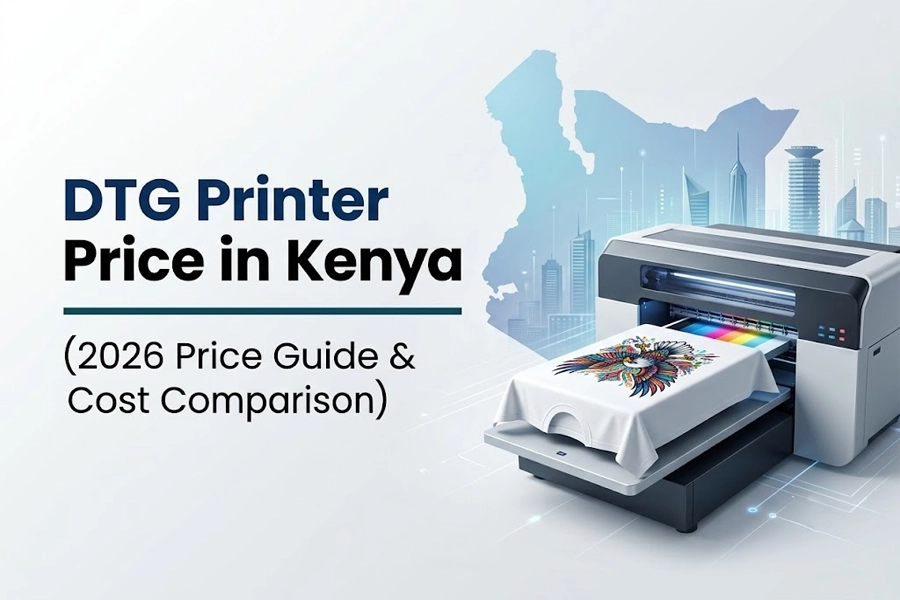
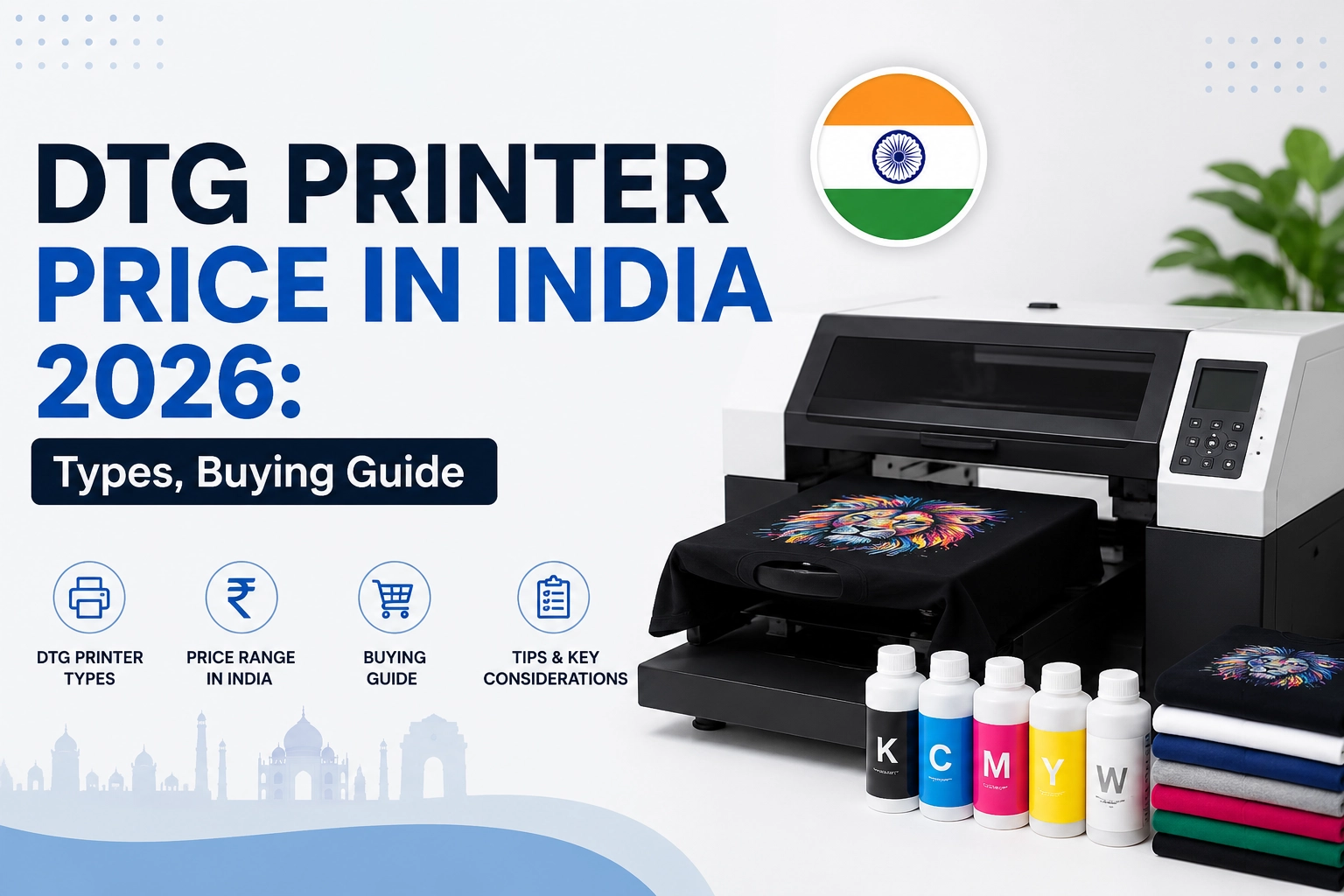
2. DTG Printing (Direct-to-Garment)
DTG is like using a printer to print a photo — but on a T-shirt.
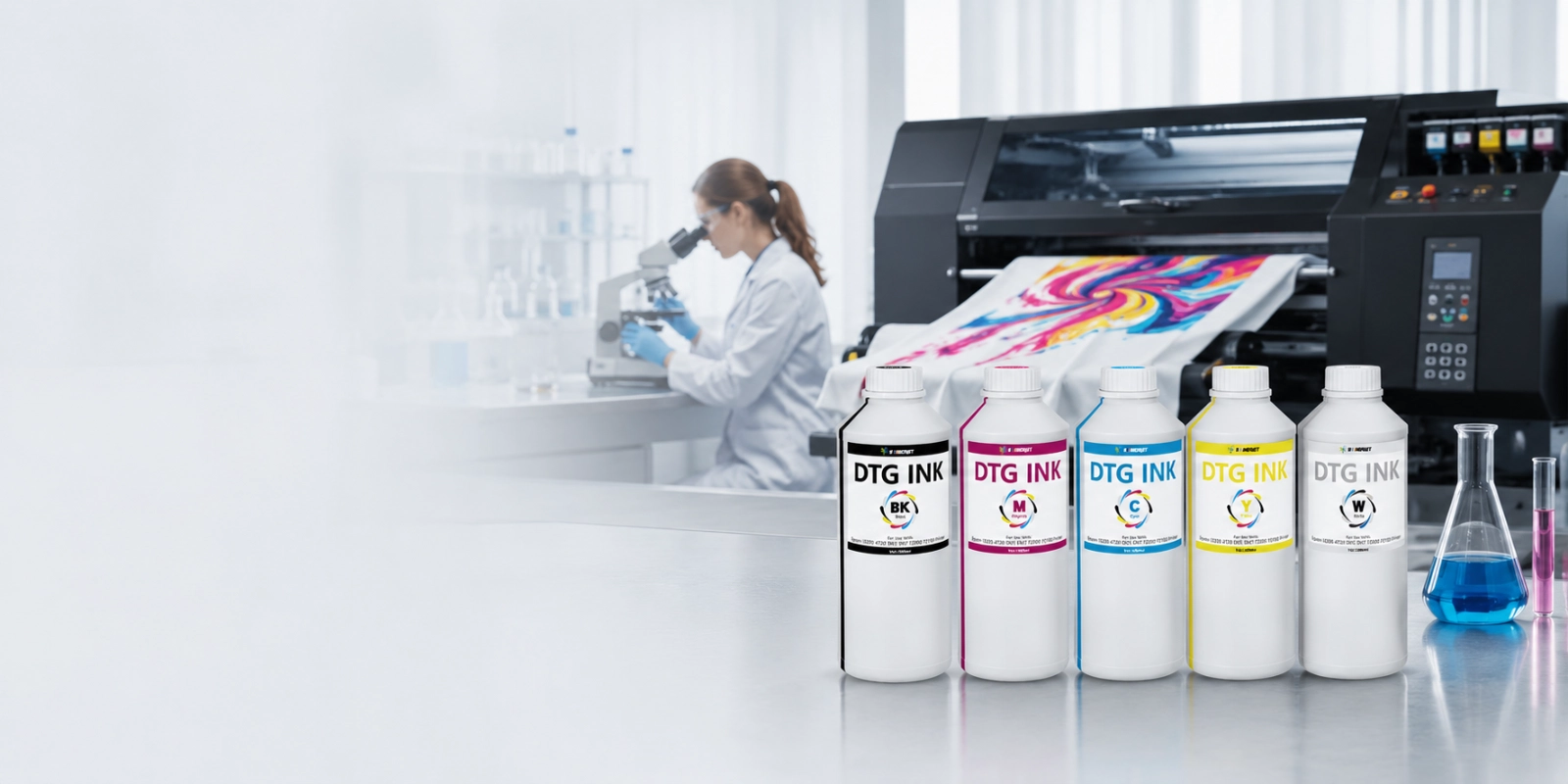
- How it works: A special printer sprays ink directly onto the fabric.
- Best for: Small orders and detailed images (like photos).
- Pros: Very clear prints, soft feel, no setup needed.
- Cons: Works best on cotton. Slower than screen printing.
3. DTF Printing (Direct-to-Film)
DTF is a newer method that is becoming very popular.
- How it works: You print your design on a film, add powder, and then press it onto the fabric with heat.
- Best for: All types of clothes — cotton, polyester, blends.
- Pros: Bright colors, strong stick, works on light and dark fabrics.
- Cons: Needs more materials (film, powder, heat press).
👉 We sell top-quality DTF inks, films, and powders at winnerjet.com.
4. Sublimation Printing
This method uses heat to dye the fabric.
- How it works: Special ink turns into a gas and soaks into polyester fabric when heated.
- Best for: Sportswear and polyester items.
- Pros: The print never fades or cracks. Very smooth feel.
- Cons: Only works on polyester and light-colored fabrics.
5. Heat Transfer Printing
This is a simple way to print using transfer paper.
- How it works: You print your design on special paper, then use heat to press it onto the fabric.
- Best for Small runs or one-time projects.
- Pros: Low cost, easy to do at home.
- Cons: Not as long-lasting as other methods.
🧺 What Fabrics Can You Print On?
Here are some common fabrics used in textile printing:
Fabric TypeGood Printing Methods
Cotton DTG, DTF, Screen Printing
Polyester Sublimation, DTF, Heat Transfer
Cotton-Poly Blend DTF, Heat Transfer
Silk/Nylon Needs special ink and care
✅ Why Textile Printing Is Important
- Custom Designs – You can print anything you want on clothing and home items.
- Business Branding – Add your logo to shirts, bags, or uniforms.
- Fast Production – Modern printers can make great-looking prints in no time.
🛍️ Need Printing Supplies?
At Winnerjet, we help printing businesses, studios, and factories with the supplies they need to succeed. We offer:
- ✔️ DTF Inks & PET Film
- ✔️ DTG Ink for Epson and GTX printers
- ✔️ Sublimation Ink
- ✔️ Hot Melt Powder
- ✔️ Printer Cleaning Kits & Chips
👉 Visit winnerjet.com to shop our products and grow your printing business.
🧠 Final Thoughts
Textile printing is an easy way to turn blank fabric into something amazing. Whether you’re printing a custom T-shirt or decorating a pillowcase, the right method and materials make all the difference. Try different techniques, find what works for you, and don’t forget — the right ink and tools matter.
Need help getting started? We’re here to support your printing journey.
🧩 Frequently Asked Questions (FAQ) About Textile Printing
❓ Which fabrics can I use for textile printing?
Cotton、 Polyester 、Blends (cotton/poly) 、Silk or nylon
❓ Is textile printing permanent?
Most textile printing methods are long-lasting, especially sublimation, DTF, and screen printing.
❓ Where can I buy textile printing supplies?
You can find professional DTF, DTG, sublimation, and heat transfer supplies at winnerjet.com
❓ What type of printer do I need to print on fabric?
DTG printing – Requires a DTG printer (like Epson or GTX models)
DTF printing – Needs a DTF printer, PET film, powder, and heat press
Sublimation – Requires a sublimation printer with sublimation ink
Screen printing – Needs mesh screens, inks, and a press
❓ Can I print on dark fabrics?
Yes, especially with DTF, screen printing, and heat transfer.
Sublimation doesn’t work well on dark colors because it requires light polyester fabric.